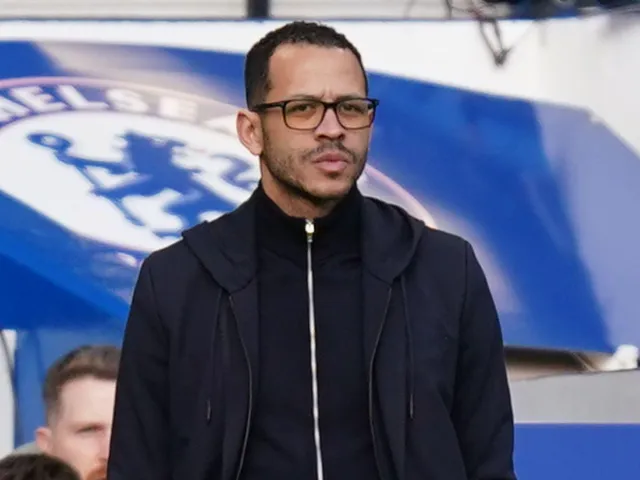
Chelsea Footbal Club and head coach Liam Rosenior have officially parted ways, bringing an abrupt end to his tenure after just over three months in charge, a decision driven by one of the worst runs of form in the club’s modern history.
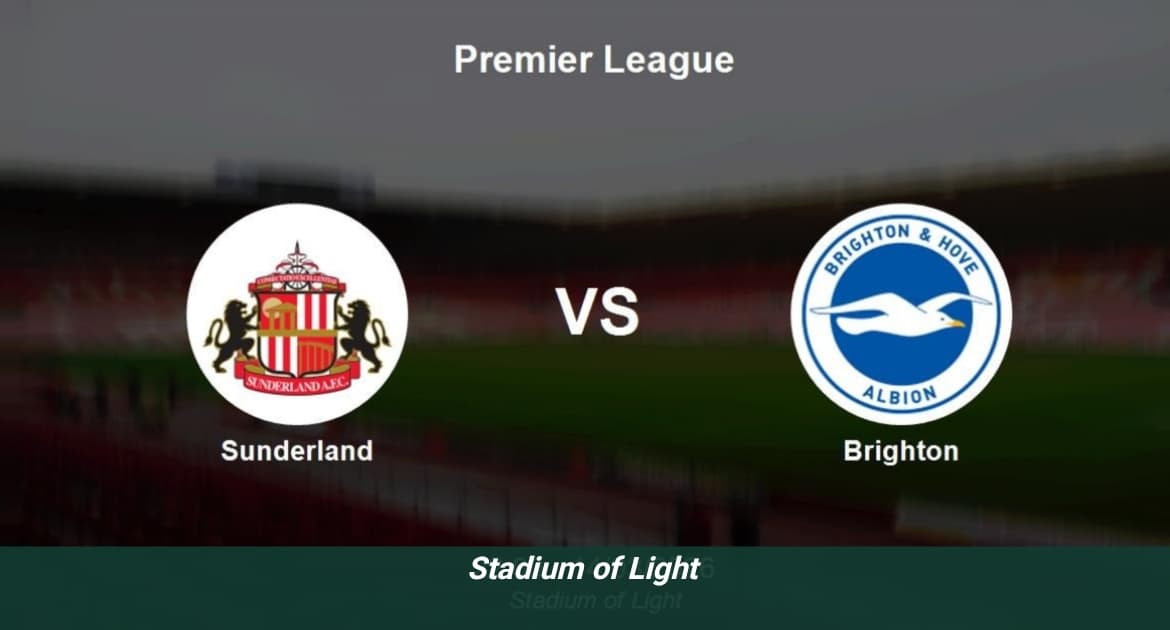
The dismissal follows a humiliating 3-0 defeat to Brighton, a result that proved to be the final straw for the club’s hierarchy. That loss marked Chelsea’s fifth consecutive Premier League defeat without scoring, a staggering statistic that underlines the depth of their attacking collapse. In fact, this goal drought is being described as the club’s worst in over a century, dating back to 1912.
Rosenior, who was appointed in January on a long-term deal running until 2032, lasted just 107 days in the role, making his tenure one of the shortest in Chelsea’s history. His appointment initially brought optimism, especially after a strong early run that saw the team win six of his first seven matches. However, that promise quickly faded as results deteriorated sharply, with Chelsea losing seven of their last eight games across competitions.
"Chelsea Football Club has today parted company with Head Coach Liam Rosenior," the club said in a statement.
"On behalf of everyone at Chelsea FC, we would like to place on record our gratitude to Liam and his staff for all their efforts during their time with the Club.
"This has not been a decision the Club has taken lightly, however recent results and performances have fallen below the necessary standards with still so much more to play for this season."
The timing of the sacking reflects more than just poor form, it highlights a season slipping out of control. Chelsea have fallen to seventh in the Premier League table, leaving them seven points behind the Champions League places, with rivals holding games in hand.
What makes the situation more alarming is not just the defeats, but the manner of them. Chelsea have struggled to score, create chances, and maintain structure, with performances often lacking intensity and cohesion. Despite dominating possession in several matches, they repeatedly failed in the final third, turning promising displays into damaging losses.
The defeat to Brighton encapsulated these issues. Chelsea were outplayed, outworked, and outscored, while frustrations boiled over both on and off the pitch. In the aftermath, Rosenior publicly criticized his players, calling their performance unacceptable, a moment that reportedly signaled a breakdown between the manager and the squad.
Behind the scenes, tensions had been building. Reports suggest that confidence in Rosenior had dropped among senior players, while supporters had also begun to turn, with audible frustration during recent matches.
The pressure was further intensified by Chelsea’s broader expectations. With heavy investment in the squad and a clear objective of returning to the Champions League, the club’s hierarchy viewed the current trajectory as unacceptable. The lack of goals, combined with poor results, left little room for patience.
Even more telling is how quickly the situation escalated. Just days before his dismissal, Rosenior had publicly insisted he retained full backing from the club’s owners. However, the Brighton defeat triggered an immediate shift, with the board acting decisively to prevent further damage to their season.
Chelsea have appointed Calum McFarlane as interim head coach for the remainder of the season, tasking him with stabilizing the team ahead of a crucial FA Cup semi-final and the final stretch of league fixtures.
The club now faces a critical decision regarding its long-term direction. This marks yet another managerial change under the current ownership, raising fresh questions about stability, recruitment strategy, and the overall project at Stamford Bridge.
Despite the turmoil, there is still something left to fight for. Chelsea remain in contention for European qualification, although their Champions League hopes are now severely damaged. The FA Cup also represents a final opportunity to salvage silverware from an otherwise disappointing campaign.
Rosenior’s dismissal is not just about one manager, it reflects deeper structural issues within Chelsea’s recent approach. Frequent managerial changes, inconsistent performances, and a lack of clear identity have all contributed to a turbulent period for the club.
The outcome is harsh for Rosenior but reflective of elite football’s unforgiving nature. A promising start quickly gave way to a historic slump, and in a results-driven environment, the consequences were swift.