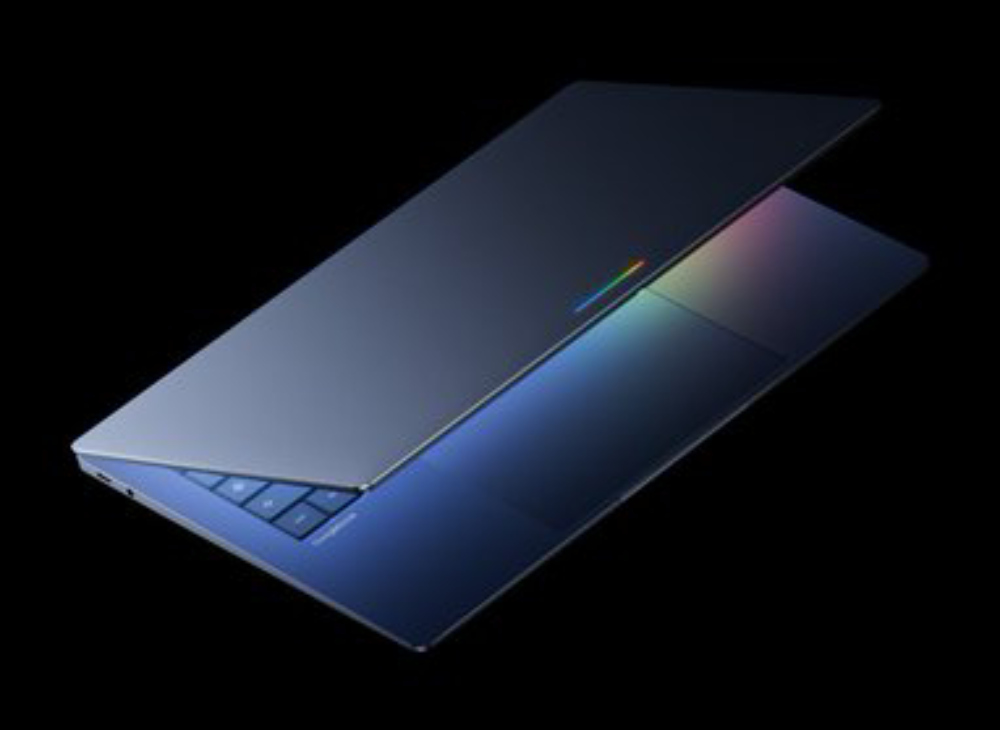
Google has launched a new laptop category designed around Gemini AI, signaling the biggest shift in its computing strategy since Chromebooks debuted in 2011. Called Googlebook, the devices merge Android, ChromeOS and Gemini Intelligence into one system where AI is built into the interface itself, not siloed in a chatbot window.
The announcement came at The Android Show: I/O Edition 2026 on 12 May. Google says the first Googlebooks will arrive later this year through partners Acer, ASUS, Dell, HP and Lenovo, with more details on specs and pricing to follow.
From OS to “intelligence system”
For 15 years, Chromebooks were positioned as simple, browser-first laptops for students and light users. Googlebook is a deliberate move upmarket. Google describes it as a move “from an operating system to an intelligence system.”
The pitch is straightforward: instead of opening apps and tabs to do work, you let Gemini understand what’s on your screen and act on it. The AI layer sits across Android apps, ChromeOS features and the web, pulling context from Gmail, Calendar, Drive and your Android phone.
“Googlebook is designed specifically for Gemini Intelligence,” Google said during the demo. The company wants the laptop to feel less like a tool you operate and more like a collaborator that anticipates what you need next.
Key features shown at launch
Magic Pointer : This is the flagship interaction change. Using Gemini’s multimodal models, the cursor becomes context-aware. Hover over a date in an email and Gemini suggests creating a calendar event. Select two photos and it can visualize objects together. Point at a PDF chart and it drafts a summary. Google showed the pointer working across apps without switching context.
Create My Widget : You can generate custom desktop widgets and dashboards using natural-language prompts. Ask Gemini to “make a travel widget for my trip to Paris” and it pulls flights from Gmail, reservations from Calendar, and weather from the web into a live panel. The feature extends to work dashboards, project trackers and schedules.
Deep Android integration : Googlebook runs Android phone apps natively and makes them feel native on a larger screen. “Quick Access” lets you browse and insert files, photos and documents from your Android phone without uploading them. It’s similar to Apple’s iPhone Mirroring, but built into the OS layer. Google also showed phone-to-laptop continuity where workflows move between devices without manual syncing.
AI widgets and proactive assistance : Gemini can surface widgets for upcoming trips, meetings and tasks based on your email and calendar. The system is designed to reduce the need to open a chatbot every time you need help. Google says the goal is “proactive and context-aware AI features” that cut down on app switching.
Premium hardware design : Unlike most Chromebooks, Googlebooks will use premium materials and target higher price points. All partner devices will carry a unique “glowbar” light strip on the lid as a design signature. Google hasn’t confirmed specs, but the focus is on devices that can handle on-device AI workloads and long battery life.
Why Google is doing this now
The launch puts Google directly into the AI PC race with Microsoft’s Copilot+ PCs and Apple’s Apple Intelligence on Mac. Both rivals have pushed on-device AI as a way to speed up tasks and keep data local. Google’s angle is different: lean on cloud models for deeper reasoning while using on-device processing for low-latency interactions like Magic Pointer.
It also addresses a long-standing weakness for Chromebooks: the gap between Android phones and laptops. By making Android apps first-class citizens and tightening phone syncing, Googlebook tries to close the ecosystem loop that Apple and Samsung have leveraged for years.
What it means for Chromebooks
Google hasn’t killed Chromebooks. The company said ChromeOS features remain part of Googlebook, and existing Chromebooks will continue to get updates. But the message is clear: the future of Google’s laptop strategy is AI-first, and Googlebook is the showcase for that.
For schools and budget buyers, Chromebooks will likely remain. For professionals, creatives and power users, Google is betting that Gemini-powered workflows will justify a premium.
What’s still unknown
Google didn’t share pricing, chip partners, battery life or availability dates beyond “fall 2026.” It also didn’t detail how much processing happens on-device versus in the cloud, which matters for privacy and offline use. Those details are expected closer to launch.
Partners Acer, ASUS, Dell, HP and Lenovo are already building devices, suggesting multiple form factors are in the pipeline, from ultrabooks to 2-in-1s.
The bigger picture
Googlebook is part of a wider Gemini push announced at The Android Show. Google also previewed Gemini Intelligence for Android, auto-browse in Chrome, and smarter widgets that work across devices. The common thread is making AI less of a separate app and more of a layer that understands context and acts.
If Magic Pointer and deep Android integration work as smoothly as demoed, Googlebook could change how people use laptops: fewer manual steps, less app switching, more time spent on the actual task. If it doesn’t, it risks feeling like another AI overlay on an OS that already exists.
Google says it will share more in the coming months. For now, Googlebook is the company’s clearest statement that it sees the next laptop interface as AI-first, phone-connected and less dependent on opening a chatbot every time you need help.