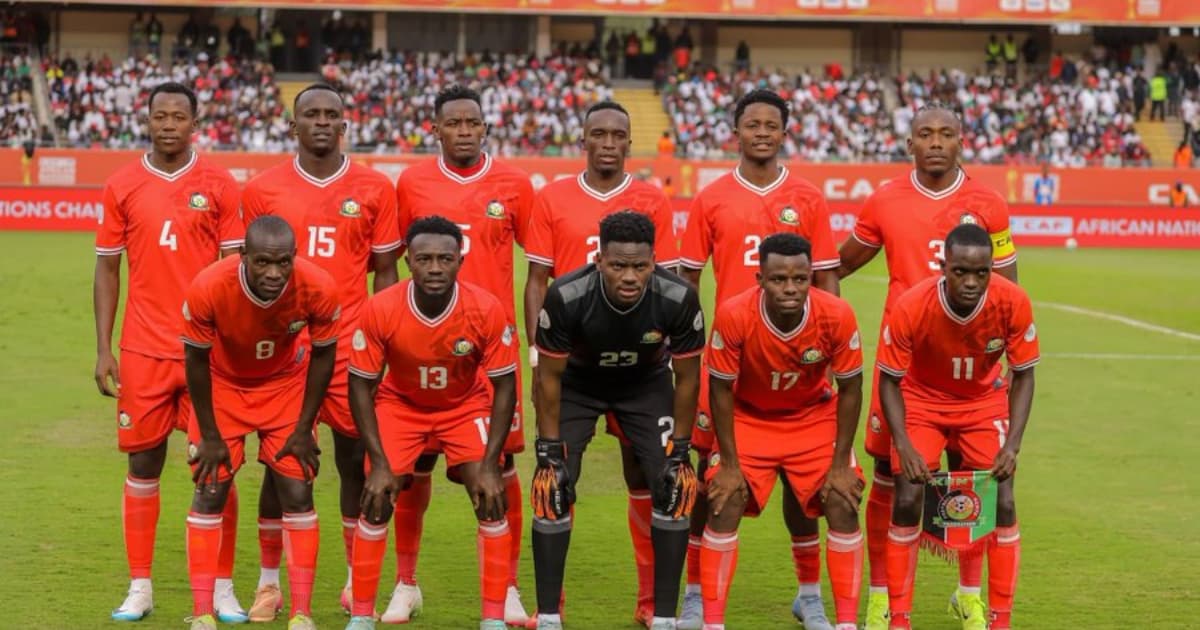
Harambee Stars have landed in Group D for the PAMOJA 2027 Africa Cup of Nations qualifiers, and the draw has handed Kenya one of the toughest paths on paper. The team will face 1996 champions South Africa, West African powerhouse Guinea and Eritrea in a group that immediately got tagged the “Group of Death” by fans across East Africa.
The draw was held on May 19, 2026, at CAF headquarters in Cairo, officially launching the qualification race for the first AFCON ever co-hosted by Kenya, Uganda and Tanzania.
What makes Group D different is the host clause. Kenya is already guaranteed a place at AFCON 2027 as a co-host, but CAF rules say only one other team from the group can qualify. That means every point Harambee Stars take off South Africa and Guinea directly impacts who joins them in the finals.
For Benni McCarthy, it’s a unique situation: he’s building a squad to compete at home, but he also has to use these qualifiers as real tests against top-tier opposition. Lose all six games and Kenya still plays at AFCON 2027. Win them, and you send a message to the continent.
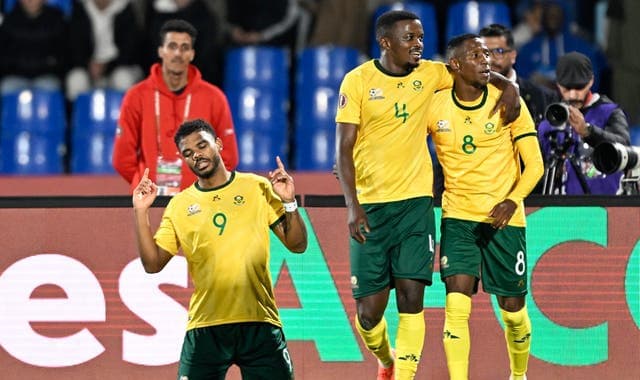
The personal angle adds spice to the fixtures. McCarthy, who scored 31 goals in 80 caps for South Africa, now faces his home country from the opposing dugout. He knows the Bafana Bafana setup inside out after taking charge there earlier this year. South Africa bring a squad built around Mamelodi Sundowns and Orlando Pirates core, plus Europe-based players who starred at AFCON 2023.
Guinea are no easier, with a pipeline of talent from France and Belgium leagues that makes them perennially dangerous. Eritrea may look like the minnows, but they’ve pulled upsets before and thrive on defensive, low-block football.
Kenya’s co-hosts didn’t get it easy either. Uganda are in Group H with Tunisia, Libya and Botswana, meaning they’ll have to navigate North African grit and Southern African resilience to top the group.
Tanzania landed in Group L alongside Nigeria, Madagascar and Guinea-Bissau, a draw that pits the Taifa Stars against three-time champions Nigeria.
All three East African nations are treating the qualifiers as live preparation for June 2027. Matchdays 1 and 2 run September 21 to October 6, 2026, with windows in November 2026 and March 2027 before the finals kick off on June 19.
For Harambee Stars, the qualifiers are about more than qualification. Kenya last appeared at AFCON in 2019 and has never gone past the group stage in six attempts dating back to 1972. The squad has a mix of local FKF Premier League players and diaspora talent from Europe and North America, but consistency has been the issue.
McCarthy’s job is to build a high-pressing, technically sharp side that can handle the physicality of South Africa and the pace of Guinea. The federation has promised better camp conditions and more friendlies, learning from the chaos that marred past campaigns.
The PAMOJA 2027 tournament itself is historic. Running from June 19 to July 17, 2027, it will be staged across Nairobi, Kampala and Dar es Salaam with new and renovated stadiums in all three capitals.
It’s the first AFCON in East Africa since Ethiopia 1976, and the first time three nations have co-hosted. CAF is using the qualifiers to test logistics, security and broadcast operations, which means every Harambee Stars home game will double as a rehearsal for 2027. The draw may be tough, but it guarantees high-stakes football that Kenyan fans haven’t seen in years.
If Kenya can take even four points off South Africa and Guinea, the momentum going into the finals will be massive. If not, McCarthy still gets six competitive games to shape his squad. Either way, Group D just became must-watch football in East Africa.