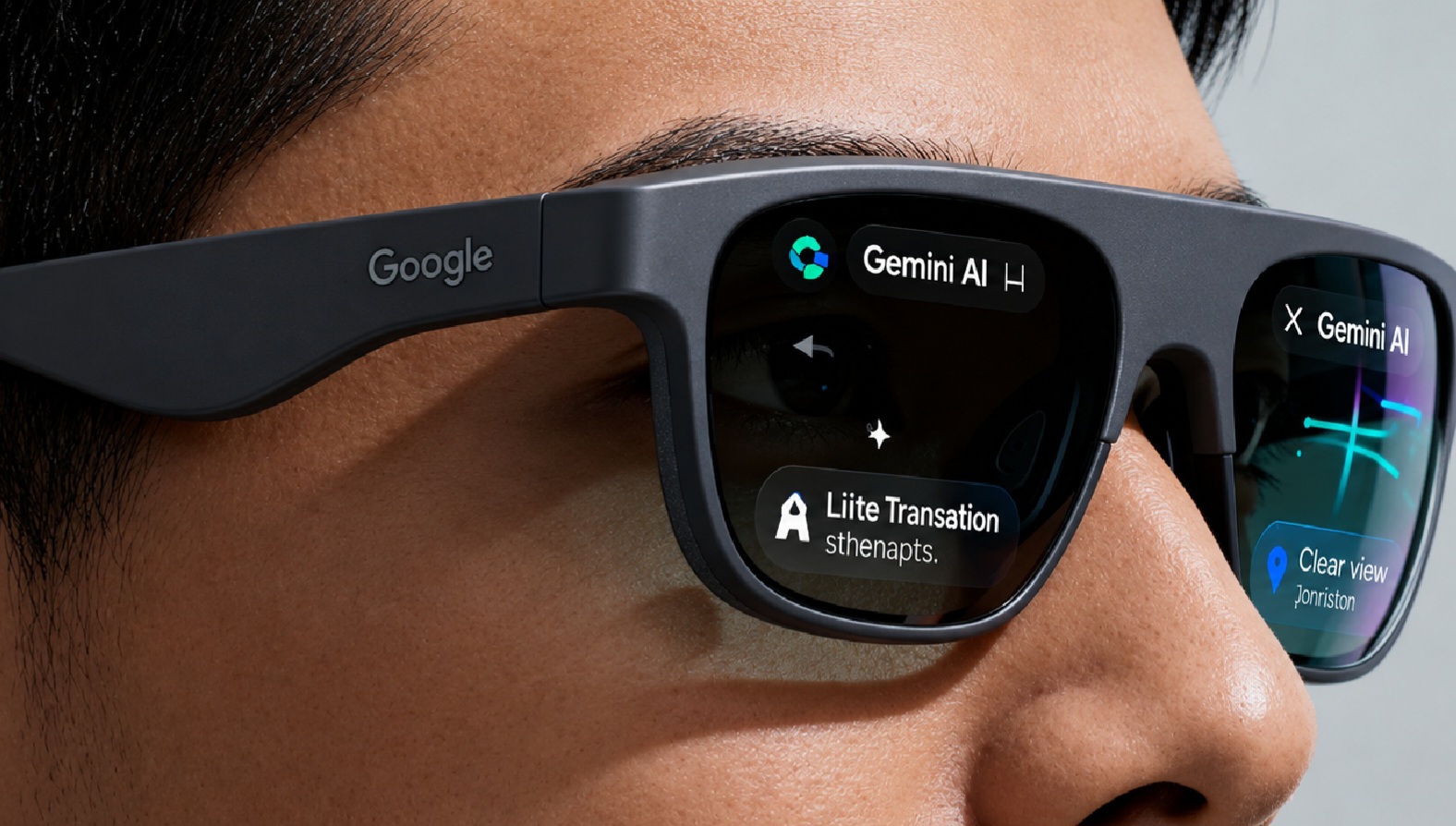
Google made its most substantial push into consumer wearables in over a decade at I/O 2026, unveiling a new line of AI-powered smart glasses developed with Samsung, Warby Parker, and Gentle Monster. The devices run on Android XR and are built around Gemini, Google’s multimodal AI model.
The launch marks a deliberate reset after Google Glass became a cautionary tale in 2014. This time, the focus is on design, practicality, and all-day wearability, with audio-first interaction as the starting point.
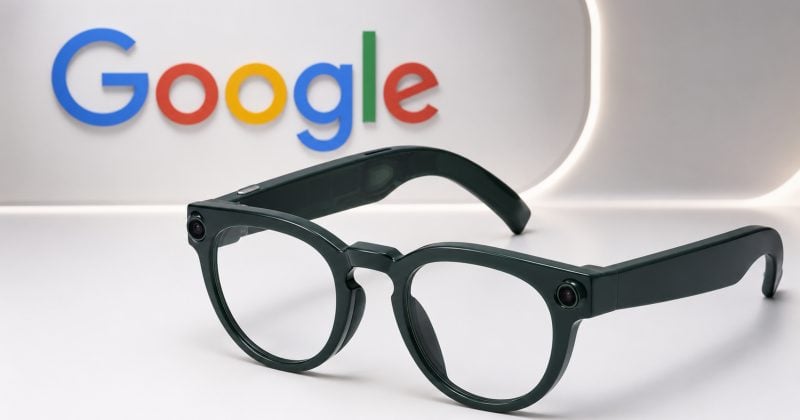
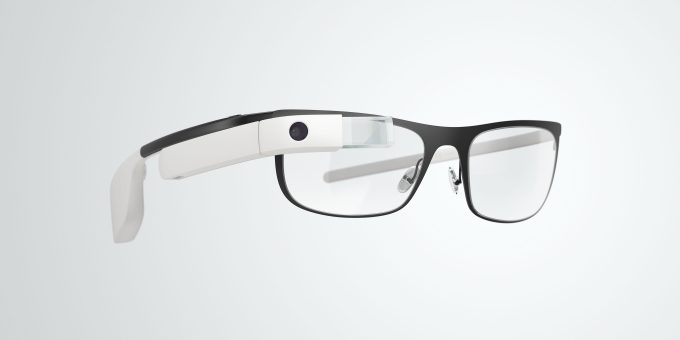
Unlike the head-mounted display of Google Glass, the new glasses resemble ordinary eyewear or sunglasses. Google opted for a fashion-first approach, outsourcing frame design to Warby Parker for volume and accessibility, and to Gentle Monster for premium, fashion-forward styles aimed at Asia and Europe.
The first models launching in fall 2026 are audio-only. They use bone conduction and directional speakers to deliver Gemini’s responses, notifications, and translations without blocking ambient sound. A version with an in-lens display is planned for later, but Google is prioritizing lighter, cheaper audio glasses to drive initial adoption.
Users activate Gemini by saying “Hey Google” or tapping the frame. In a live demo, product manager Nishtha Bhatia showed the assistant handling turn-by-turn walking and driving directions, reading and summarizing unread texts, placing orders on DoorDash, booking rides, and managing calls and calendar events without the user touching a phone.
The glasses also support real-time speech and text translation across languages, and can capture photos and videos with on-device AI editing. Google said the experience is designed to reduce phone dependency for routine tasks.
Privacy and Cross-Platform Access
Google addressed privacy concerns by confirming the glasses include LED indicators that light up whenever the camera or microphone is active. The company did not detail data handling beyond standard Gemini privacy policies, but emphasized on-device processing where possible.
In a notable strategic move, the glasses will support both Android and iOS from day one, including full compatibility with iPhones. That decision expands Google’s potential customer base in markets like the U.S., U.K., and Australia, where iPhone penetration is high.
The cross-platform approach puts Google in direct competition with Meta, whose Ray-Ban smart glasses already work across both ecosystems. Meta has sold more than 7 million units of its Ray-Ban smart glasses, capturing an estimated 80-85% of the market as of late 2025. Apple is reportedly developing its own AI glasses with Apple Intelligence, but they are not expected before 2027, giving Google a window to establish itself with iPhone users.
Market Position and Pricing
Google’s entry arrives as the AI smart glasses market enters a high-growth phase. Smart Analytics Global forecasts global shipments will grow 85% year-on-year in 2026 to surpass 15 million units. Audio-only models are expected to account for 91% of sales, driven by lower cost, lighter weight, and fewer privacy concerns.
Analysts expect Google’s audio models to be priced between $299 and $499, aligning with Meta’s current Ray-Ban range of $299 to $379. The in-lens display version will likely sit higher once it arrives.
Google’s differentiation rests on Gemini. The company is positioning Gemini as more capable than Meta’s assistant for multi-step, contextual tasks that require understanding across text, voice, images, and calendar data. If that holds in real-world use, it could give Google an edge in productivity and utility scenarios beyond casual AI chat.
A Second Attempt with Different Stakes
Google’s first smart glasses failed to gain traction due to high cost, limited utility, privacy backlash, and social stigma. This iteration avoids the heads-up display for the initial launch, leans on established eyewear brands for design credibility, and ties the experience to Gemini’s broader rollout across Android and Google services.
Commercial launch is slated for fall 2026. If Smart Analytics Global’s forecast holds, Google could sell over 2 million units in the first year, making it the second-largest player behind Meta. For Google, the bet is that AI will move off the phone and into the periphery of daily life. The question is whether consumers are ready to wear it.