Google introduced Android 17 at its Android Show event recently, outlining the next major update to its mobile operating system. The release focuses on performance improvements, expanded cross-device continuity, and extended support windows. With the rollout now underway, users across multiple brands are checking whether their devices will receive the update.
Android 17 will reach a wide range of smartphones and foldables from Google’s own Pixel lineup as well as from Motorola, Samsung, Xiaomi, OPPO, vivo, realme, Nothing, and OnePlus. The update schedule varies by manufacturer, but flagship and recent mid-range models are prioritized.
Google Pixel Devices Lead the Rollout
Pixel phones remain the first to receive new Android versions, and Android 17 follows that pattern. Google has confirmed that every Pixel from the Pixel 6 series onward will be upgraded, including foldable and a-series models.
The confirmed list includes the Pixel 6, Pixel 6 Pro, and Pixel 6a; the Pixel 7, Pixel 7 Pro, and Pixel 7a; the original Pixel Fold; the Pixel 8, Pixel 8 Pro, and Pixel 8a; the Pixel 9 series covering the standard, Pro, Pro XL, Fold, and 9a variants; and the newly announced Pixel 10 lineup, including the Pixel 10, Pixel 10 Pro, Pixel 10 Pro XL, Pixel 10 Pro Fold, and Pixel 10a.
Pixel users will also gain access to features exclusive to Google hardware. Android 17 introduces "Continue On," which allows tasks started on a phone to resume seamlessly on a connected tablet or foldable. Google has also extended its software support periods for newer models. The Pixel 10a, for example, includes battery optimizations designed to work with Android 17’s updated energy management system, improving consistency over longer use cycles.
Motorola and Samsung Confirm Broad Coverage
Motorola is rolling out Android 17 across its foldable, Edge, and Moto G lineups. The update covers the Motorola Razr series from the 2024 to 2026 models, including the Ultra and Plus variants. Edge devices slated for the update include the Edge 2024, Edge 50, and Edge 60, with Fusion, Neo, and Pro versions included where applicable. The Moto G series is also widely supported, with models from the G37 through the G87, as well as Power and Stylus editions.
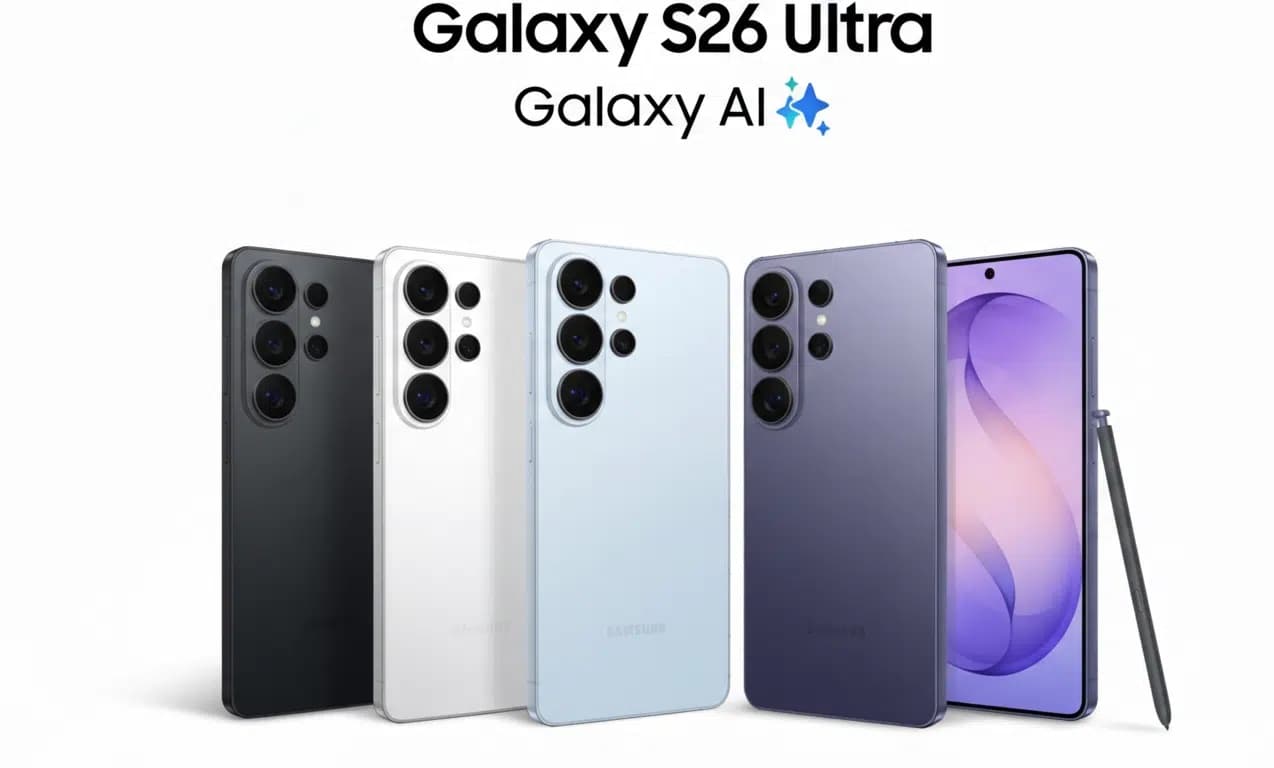
Samsung has confirmed that its Galaxy S, Z, A, M, and F series will receive Android 17. The Galaxy S range from the S23 through the S26 is included, along with Ultra, Plus, and FE versions. Foldable devices are covered up to the Galaxy Z Fold 8 and Z Flip 8, including special edition models.
In the mid-range segment, Samsung will update the Galaxy A series from the A15 and A24 through the A57, covering the A34 and A54 variants that are popular in multiple markets. The Galaxy M and F lines are also included, ensuring that a large portion of Samsung’s installed base will move to Android 17.
Xiaomi, OPPO, vivo, realme, Nothing, and OnePlus Expand Support
Xiaomi’s update list spans its main brand, Redmi, and POCO sub-brands. Supported devices include the Xiaomi 13 and 14 series with Ultra, Pro, and T variants, as well as the newer Xiaomi 15 and 17 series. Foldable and flip models under the MIX Fold and MIX Flip lines are also included.
Redmi will update the Note 14 and Note 15 families, including Pro and 4G versions. POCO models receiving Android 17 include the F6, F7, X7, and M7 series, among others.
OPPO’s rollout covers the Find X7 and newer models, the Reno 15 series, and devices from the F and K ranges. Vivo has confirmed support for the X100, X200, and X300 series, along with multiple V and Y series models.
Realme will update the GT 6, GT 7, and GT 8 families, including Dream Edition, Pro, and Narzo variants. Nothing Phone users will see Android 17 on models from the Phone 2 through the Phone 4a Pro.
OnePlus is bringing the update to the OnePlus 11, 12, 13, and 15, as well as to several devices in the Nord lineup.
Android 17 emphasizes smoother transitions between devices, refined power management, and longer software support for newer hardware. While Google and Samsung typically roll out updates first, other manufacturers have shortened their timelines in recent cycles.