Apple is expected to unveil iOS 27 at theupcoming Worldwide Developers Conference (WWDC) on June 8, 2026, but the update could leave some older iPhone models behind, with the iPhone 11 series appearing most at risk of losing support.
The new operating system (OS) will be publicly previewed at the WWDC 2026 keynote, ahead of a wider rollout later in the year alongside the next generation of iPhones.
While Apple is widely regarded for offering some of the longest software support cycles in the smartphone industry, older devices eventually lose eligibility for major OS upgrades, even if security patches continue.
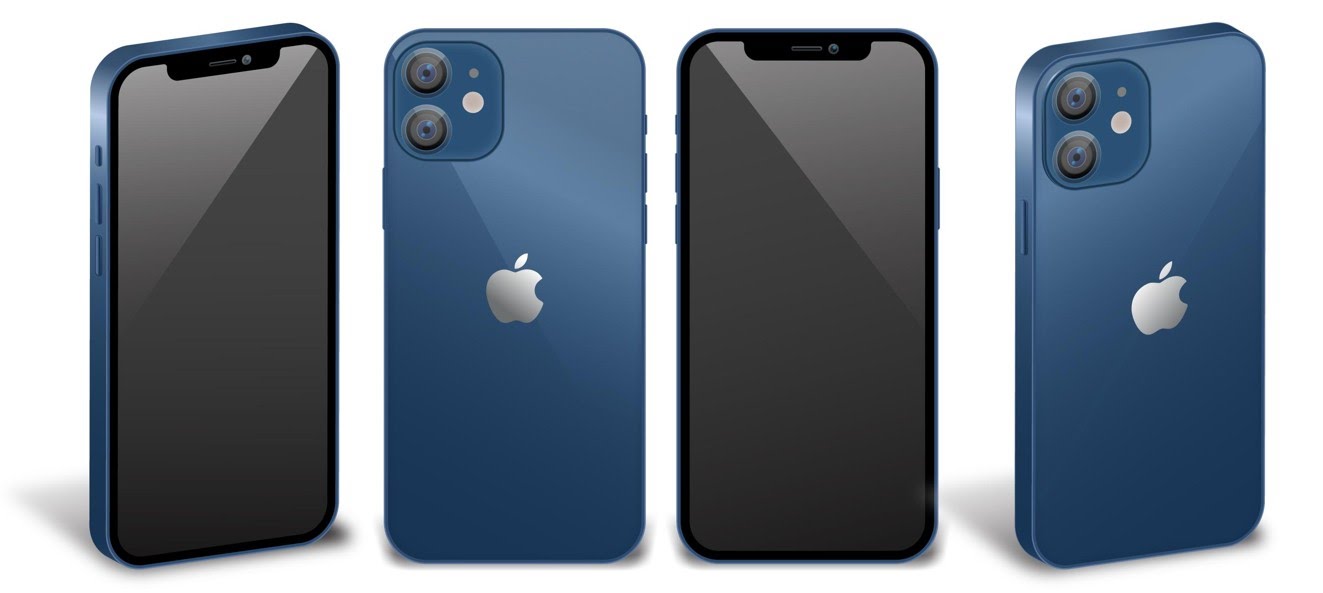
Based on Apple's recent software support patterns, the iPhone 11, iPhone 11 Pro, and iPhone 11 Pro Max — all launched in 2019 — are the most likely candidates to not receive the iOS 27 update. The three models currently support iOS 26.
Last year, Apple removed support for the 2018-era iPhone XR, iPhone XS, and iPhone XS Max wheniOS 26 was introduced, suggesting the iPhone 11 lineup could be next in line.
The status of the second-generation iPhone SE (2020) remains uncertain. Although released after the iPhone 11 series, it shares the same A13 Bionic chip, which could affect its eligibility.
All devices from the iPhone 12 series onwards — including the iPhone 12, 13, 14, 15, 16, and 17 lineups, as well as newer iPhone SE models — are widely expected to remain compatible with iOS 27.
Apple rarely announces the end of support for older iPhones ahead of time. The company typically reveals its official list of supported devices when it releases the first developer beta following the WWDC keynote. Any iPhone absent from that list will not receive the final public update later in the year.
However, Apple has also occasionally extended support beyond expectations. For instance, the iPhone 6s received major iOS updates for considerably longer than many industry observers had anticipated, leaving the possibility open that the iPhone 11 series could receive the iOS 27 update.
Even if older iPhones remain compatible with iOS 27, full access to every new feature is not guaranteed. With iOS 26, several headline Apple Intelligence capabilities were restricted to devices with newer hardware and at least 8GB of RAM — meaning only the iPhone 15 Pro, iPhone 15 Pro Max, and later models received the complete AI feature set.
A similar tier-based approach is expected with iOS 27, where older compatible devices may run the OS but be excluded from the most advanced AI-powered features.
Full details, including the official list of supported devices and the first iOS 27 developer beta, are expected to be revealed at the WWDC 2026 keynote.