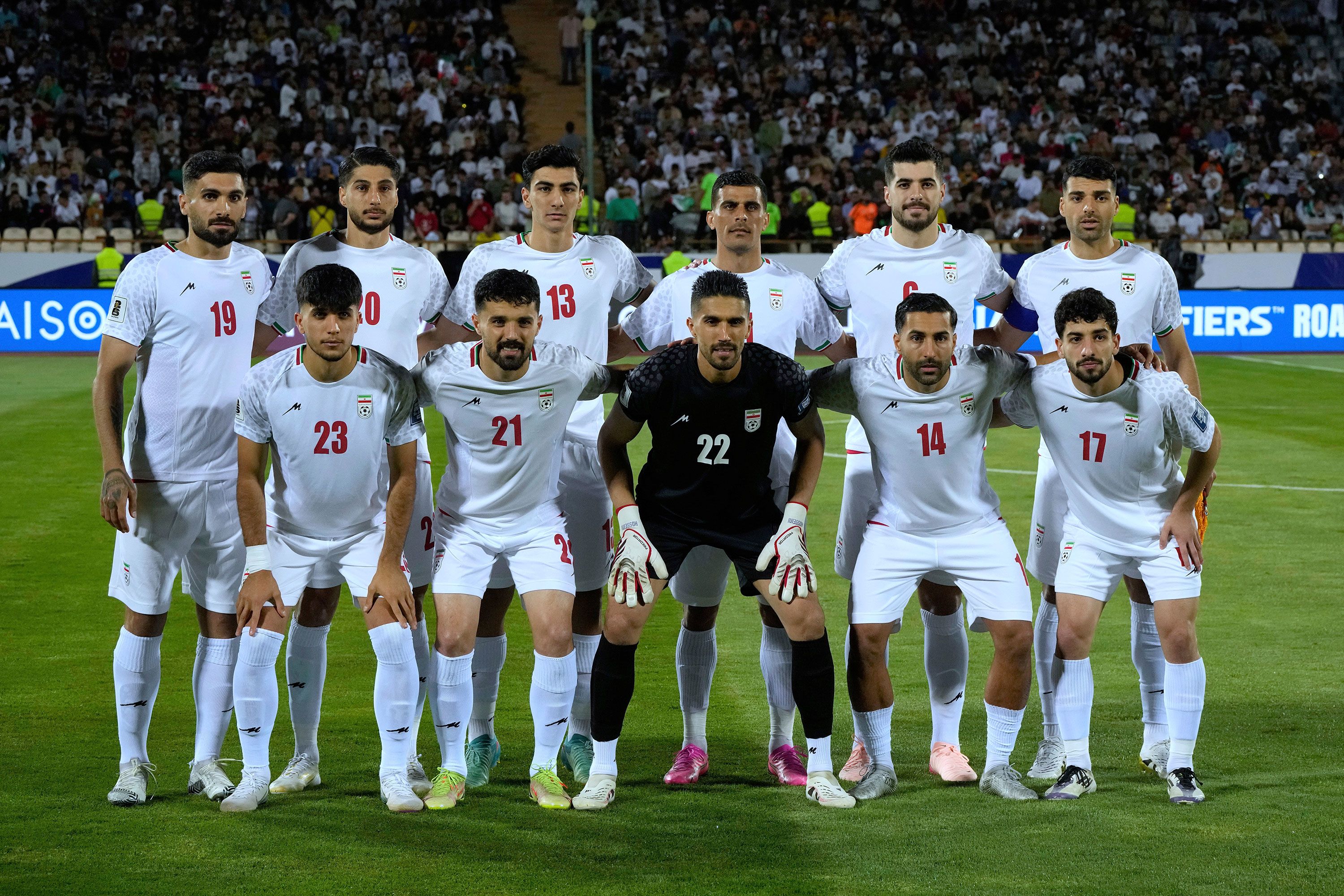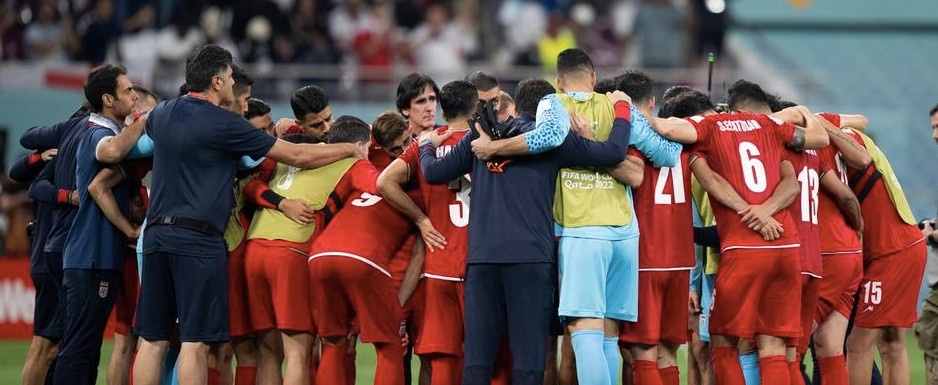
Iran’s national football team has cleared a last-minute hurdle to play at the 2026 FIFA World Cup in the United States, securing entry visas just days before its opening match. A White House official confirmed the approvals on Friday, resolving uncertainty.
The visa breakthrough comes nearly two weeks after FIFA announced on May 25 that Iran would use the Centro Xoloitzcuintle training facility in Tijuana instead of its original plan to camp in Tucson, Arizona.
The change was triggered by growing doubts over visa processing, entry requirements and broader travel arrangements for players and officials entering the US amid strained Tehran-Washington relations.
With documents now approved, Iran will kick off its tournament on June 15 against New Zealand in Los Angeles, face Belgium on June 21 in the same city, and close the group stage against Egypt on June 26 in Seattle.
The uncertainty had peaked just a day before the White House confirmation, when Iranian officials said the squad had still not received the required US entry documents. For a team drawn in a group with three matches on American soil, that raised the prospect of forfeits or last-minute logistics scrambles.
FIFA’s late-May update listed Tijuana as Iran’s official base, making it one of the few teams in the expanded 48-team tournament to prepare outside the host country where it will play. The Mexican border city emerged as the practical alternative because it offered simpler access and fewer administrative hurdles than staying on the US side.
Mexican President Claudia Sheinbaum acknowledged the arrangement after FIFA’s announcement, saying Mexico stepped in after the US reportedly declined to host the Iranian team throughout the tournament period.
“The United States doesn’t want the Iranian national team to stay overnight in the United States. And we said Yes, no problem. We have no issue with that,” Sheinbaum told reporters. The comment underscored how geopolitics spilled into tournament planning, with a fragile ceasefire and periodic escalations between Tehran and Washington continuing to shape bilateral relations.
Originally, Iran had selected Tucson, Arizona for its World Cup preparations, a base chosen for altitude training, facilities and proximity to Los Angeles. The plan was dropped as visa timelines stretched and officials weighed the risk of players or staff being denied entry close to match day. By shifting the camp to Tijuana, FIFA and the Iranian federation reduced exposure to US immigration delays while keeping the team within driving distance of its first two games at SoFi Stadium in Los Angeles. Players can now cross into the US for matches and return to Mexico for training, a split-base setup rarely seen in World Cup history.
The visa approvals mean Iran avoids the fate of other teams that have missed global tournaments due to travel restrictions. For the 2026 edition co-hosted by the US, Canada and Mexico, organizers had promised that political disputes would not block qualified teams. Iran’s case tested that pledge. With documents now in hand, focus shifts to football rather than logistics.
Group G presents a tough path for Iran. New Zealand brings physicality and World Cup experience, Belgium remains a top-ranked side despite a generational transition, and Egypt carries the weight of African expectations with players based in Europe’s top leagues.