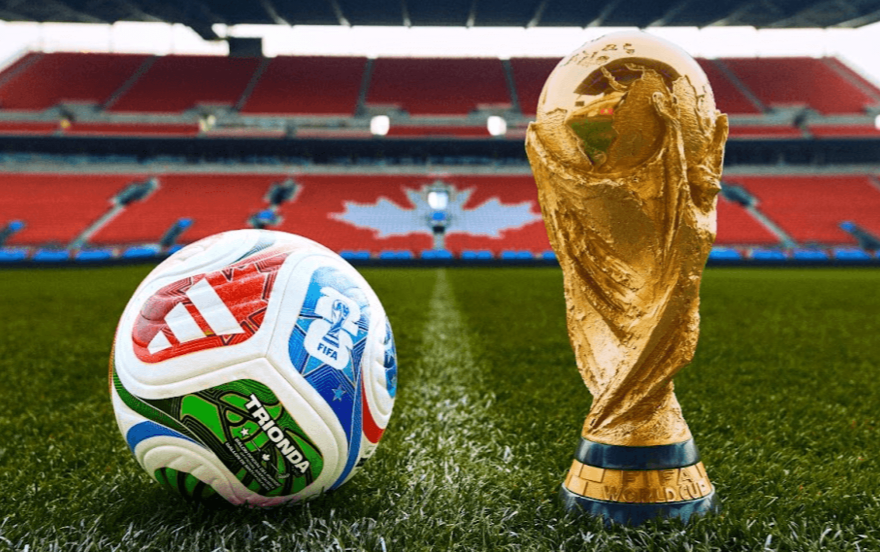
NEW YORK, June 10, 2026 — The 2026 FIFA World Cup kicks off Thursday with a historic first. For the first time the tournament will be co-hosted by three countries and expanded to 48 teams.
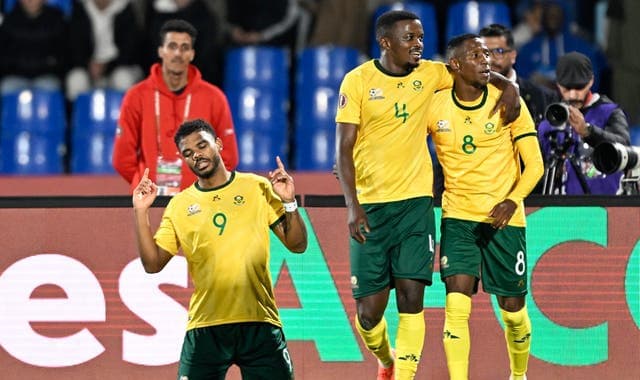
The six-week showpiece begins with the opening match on June 11 between Mexico and South Africa at Mexico City Stadium and will conclude with the final at MetLife Stadium in East Rutherford, New Jersey, near New York City, on July 19.
A total of 104 matches will be played across 16 stadiums spread over four different time zones. The United States will host 78 of those matches, with Mexico and Canada sharing the remainder.
Dallas Stadium is the largest venue at 94,000 capacity, while Toronto Stadium is the smallest at 45,000.
The scale of the tournament reflects FIFA’s decision to expand the World Cup from 32 to 48 teams, increasing the number of nations, players and fixtures to a record level.
The expansion has reshaped global representation. A total of 1,248 players from 48 countries will compete, with 357 of them having World Cup experience and 891 making their debut.
The age range captures the tournament’s breadth. Scotland goalkeeper Craig Gordon, 43 years and 162 days, is the oldest player, while Mexico’s Gilberto Mora, 17 years and 240 days, is the youngest.
Twenty-two players under 20 and seven over 40 have been called up, and 22 footballers who have previously won the World Cup will return for another shot at glory.
Africa will field a record 10 teams, double the number from previous editions. The increase is a direct result of FIFA’s expansion and gives more nations on the continent a chance at the world stage.
Senegal, Morocco, Egypt, Ghana, Algeria, Tunisia, Ivory Coast, Cape Verde, South Africa and the Democratic Republic of Congo will represent Africa.
For Arab football, the 2026 edition marks another milestone. Eight Arab sides have qualified, the highest number in World Cup history. Algeria, Egypt, Iraq, Jordan, Morocco, Qatar, Saudi Arabia and Tunisia will take part. Morocco stands out as the only nation located on the African continent and considered an Arab country.
Russia 2018 and Qatar 2022 each featured four Arab teams, a figure that was considered a major achievement at the time. The jump to eight underscores the region’s growing competitiveness.
High ticket prices, accommodation costs, long flight times and travel expenses have made the current World Cup a challenging tournament for fans.
FIFA's decision to organize the tournament in three North American countries will potentially cause fans to travel thousands of kilometers by plane.
The Mexico City Stadium, with a capacity of 83,000, and bearing the name of the Mexican capital, will go down in history as the first stadium to host the opening match of the World Cup three times.
Mexico City Stadium previously hosted the opening matches of the 1970 World Cup between Mexico and the Soviet Union, which ended in a scoreless draw, and the 1986 World Cup between Italy and Bulgaria, which also ended in a draw of 1-1.
The main host country, the US, will face Türkiye, Paraguay and Australia in Group D. Having participated in the tournament 11 times since the first World Cup in 1930, the US secured direct qualification for the 2026 FIFA World Cup as one of the three host nations.
The tournament will run for six weeks across North America, testing logistics, travel and fan experience across three nations and multiple time zones. With more teams and matches than ever before, the 2026 World Cup is being framed as the most inclusive edition yet. From Mexico City to Toronto to New Jersey, the expanded format aims to bring the World Cup closer to more fans while giving more countries the opportunity to compete for football’s biggest prize.