Apple is preparing to raise the prices of its products in the coming months as a sharp rise in memory chip costs and ongoing supply constraints continue to strain the global electronics industry.
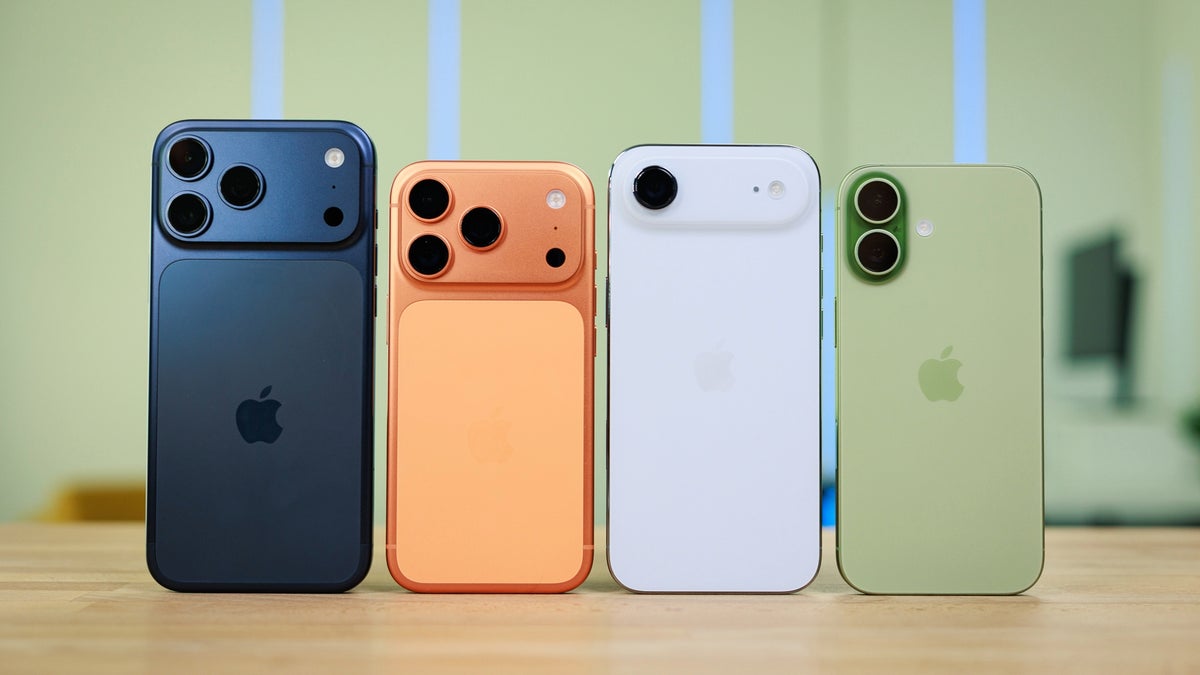
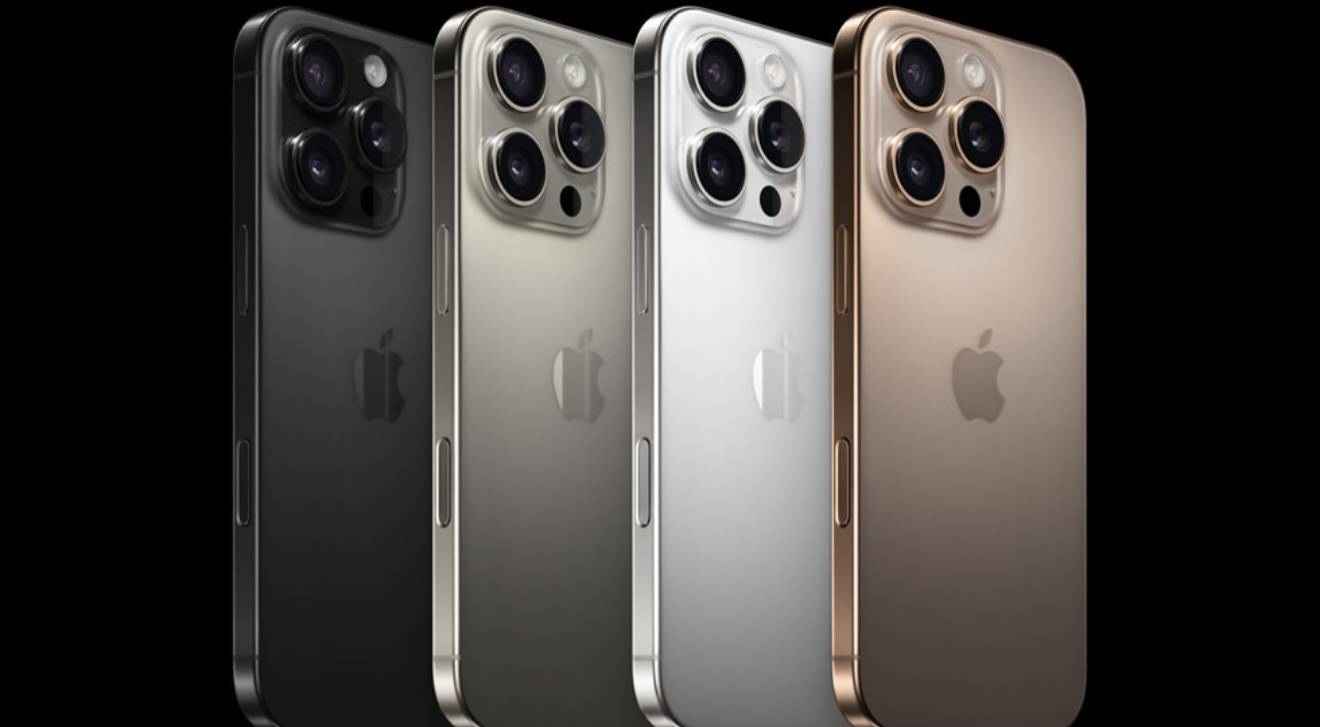
The adjustments could be reflected in the next-generation iPhone 18 series, expected to launch in September, with other major device manufacturers also signaling possible price revisions amid similar cost pressures.
According to outgoing Chief Executive Officer Tim Cook, the escalating costs within the semiconductor supply chain have significantly reduced Apple’s ability to absorb additional expenses.
Cook said that the company is struggling to offset rising memory chip prices, which are key components in smartphones, computers, and other consumer electronics.
"We are doing our best to mitigate the huge increases that are being passed to us, and we have been trying to shield our customers from the increases, but the situation has become unsustainable," said Cook.
Memory Prices Double as AI Demand Collides With Tight Supply
Memory chips, which are essential for modern digital devices, have seen a sharp price uptick in recent months as demand driven by Artificial Intelligence continues to grow rapidly.
Market data shows that the price of RAM, typically one of the lowest-cost hardware components, has more than doubled since October 2025 due to tightening supply conditions and stronger global demand.
Cook added that the pressure is being driven by a mix of constrained production capacity and heightened consumer demand, with manufacturers increasingly passing on higher costs across the supply chain.
"There is less supply at a time when consumers want devices and the memory guys are passing along huge price increases." he said.

The surge is linked to the AI boom. Training and running large language models requires vast amounts of high-bandwidth memory and DRAM, diverting capacity away from consumer electronics.
At the same time, memory makers cut production in 2024-2025 after a glut, and are now cautious about expanding too quickly. The result: spot prices for DDR5 and LPDDR5X modules have climbed steadily, with contract prices following.
iPhone 18 Could Cost $150 More as Specs Jump for AI
Market research firm Omdia expects the average selling price of smartphones globally to rise by about 20 per cent in 2026, reaching a record high. The firm estimates that Apple's next-generation smartphones could cost up to USD150 (Sh19,432.50) more than the current iPhone 17 models as the company upgrades specifications to support advanced Artificial Intelligence features.
The iPhone 18 lineup is rumored to include more on-device AI processing, which requires larger memory configurations and faster storage. Analysts expect the base model to move to 12GB of RAM, up from 8GB on the iPhone 17, with Pro models potentially hitting 16GB. Those changes, combined with higher NAND flash costs, leave Apple with little room to hold the line on pricing.
The price pressure extends beyond iPhones. Earlier this year, the company removed the entry-level version of its Mac Mini desktop computer, effectively raising the starting price of the product by about USD200 (Sh25,910). iPads and MacBooks with upgraded memory for AI tasks are also likely to see increases.
Industry-Wide Strain: TSMC, Samsung, Sony, Nintendo All Flag Costs
The strain is being felt across the broader technology industry. Taiwan Semiconductor Manufacturing Company (TSMC), the world's largest contract chipmaker, has indicated that it may raise prices as inflation increases production costs. Samsung has also warned that memory chip shortages could push up the prices of electronic devices.
Console makers are moving already. Sony recently increased the price of its PlayStation 5 console by USD100 (Sh12,955) in the United States, citing component and logistics costs. Nintendo has announced plans to raise the price of its Switch 2 console from September. PC makers including Dell, HP, and Lenovo have told investors to expect ASP increases in the second half of 2026.
For consumers, the cumulative effect could be the most significant uptick in electronics pricing since the pandemic-era supply crunch. Omdia’s forecast of a 20% jump in global smartphone ASPs would mark the steepest annual increase on record.
Demand Still Strong, But Elasticity Will Be Tested
Despite the cost pressures, demand for Apple's products remains strong. The iPhone 17 lineup has recorded robust sales since its launch last September, helping drive a 17 per cent increase in Apple device sales during the first quarter of 2026 compared to the same period last year.
That momentum gives Apple some cover to raise prices, but the company must balance margin protection with volume. The $150 potential increase on iPhone 18 would push the base Pro model well above $1,149 in the US, and closer to KSh150,000 in Kenya before taxes. In price-sensitive markets, that could slow upgrade cycles or shift demand to older models.
Apple has historically used trade-ins, carrier subsidies, and installment plans to soften sticker shock. Cook did not say whether Apple would expand those programs, but retailers expect more aggressive promotions to keep monthly payments flat even as upfront prices rise.