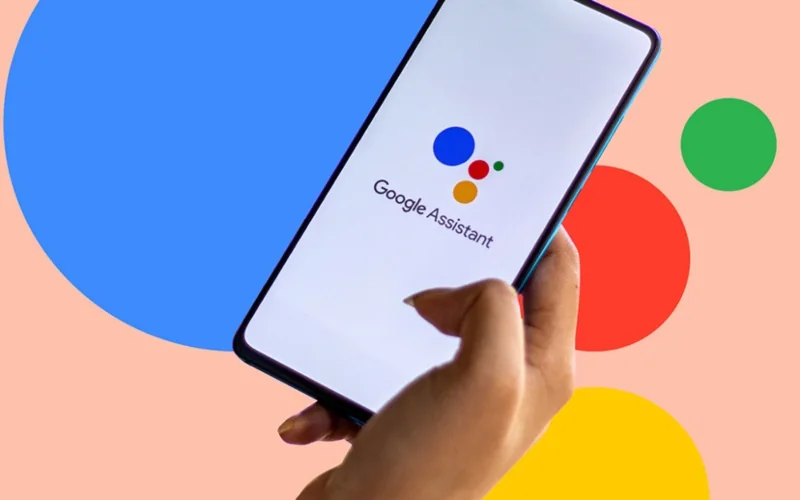
Google is shutting down Google Assistant on Android. Starting September 4, 2026, the company will discontinue Google Assistant across Android phones and tablets and replace it entirely with Gemini, its AI assistant built on large language models.
The announcement marks the end of a 10-year run for "Hey Google" and the beginning of what Google calls its "Gemini era" on Android. From that date, the Google Assistant app will be removed from the Play Store, existing installations will stop working, and any voice command will automatically open Gemini instead. Google says the move is necessary to deliver faster innovation and to bring more advanced AI to the more than 3 billion Android devices in use worldwide.
Google Assistant was launched in 2016 as the successor to Google Now. It became the default voice helper on Android and expanded to smart speakers, TVs, watches, and cars. For most of its life it worked as a command-based system. You would ask it to set a timer, send a message, check the weather, or turn off the lights. It was fast, reliable, and worked in dozens of languages. But it was not designed for the kind of conversational, context-aware AI that has emerged in the last three years.
That changed with Gemini. Google began rolling out Gemini in 2023 and has since integrated it into Search, Gmail, Docs, Photos, and Pixel phones. Unlike Assistant, Gemini can understand text, voice, images, and video together. It can read what’s on your screen, summarize long emails, generate images, write code, and plan a trip using information from your calendar and inbox. Google says that maintaining two separate assistants was slowing down development, and that unifying around Gemini will allow the company to ship new features every month instead of every year.
The timeline is clear. Between now and September 3, Android users will see repeated prompts in the Google app and in system notifications asking them to switch to Gemini. If they agree, Google will automatically transfer routines, reminders, alarms, voice match profiles, and smart home device links from Assistant to Gemini. After September 4, trying to open Assistant will redirect you to Gemini. The wake word "Hey Google" will remain the same, but it will now activate Gemini. Google said it has worked with device makers like Samsung, Xiaomi, Oppo, and Motorola to ensure the transition is smooth on flagship and mid-range phones.
There are hardware limits. Gemini requires Android 10 or newer and at least 4GB of RAM to run well. Phones that do not meet those requirements will lose access to a conversational assistant after September 4. Basic functions like alarms and timers will still work through on-device software, but users will not be able to ask questions or give voice commands. Google is recommending that owners of older budget devices upgrade if they want to keep using an AI assistant. Wear OS watches, Android Auto, and Google TV will follow with their own Gemini updates starting in October and running through the end of the year.
For developers, the change is also significant. Google is retiring the Actions on Google platform that let third-party developers build apps for Assistant. In its place is Gemini Extensions, a new system that lets companies plug their services directly into Gemini. That means you will be able to tell Gemini to book an Uber, order from a restaurant, check your bank balance, or draft an email, and the assistant will handle it inside the app without you switching screens. Google says more than 100 partners are already building Extensions and that it will provide migration tools and support through December 2026.
Smart home users are also affected. Google confirmed that all Nest, Google Home, and Matter-compatible devices will continue to work. Routines created in the Google Home app will be copied over to Gemini. The company said voice control for lights, thermostats, cameras, and locks will not change, and that Gemini will actually make smart home control more natural by allowing follow-up commands and multi-step requests.
Privacy has become a central part of the conversation. Because Gemini is designed to be more personal, it will by default use data from your Google account to provide better answers. That includes emails, calendar events, documents, and search history. Google says users will have full control and can turn off Gemini Apps Activity, delete their data, and choose which apps Gemini can access. The company also stated that it will not delete historical Assistant data, but it will stop collecting new data for Assistant after the shutdown.
The decision reflects a larger shift across the tech industry. Apple launched Apple Intelligence in 2025 and built it directly into iOS. Meta has added an AI assistant to WhatsApp, Instagram, and Messenger. OpenAI’s ChatGPT app is now a default option on many Android phones. Google believes it cannot afford to keep Assistant as a separate, less capable product if it wants to remain competitive on mobile. By putting Gemini on every Android device, Google ensures that its AI is the default experience for billions of people.