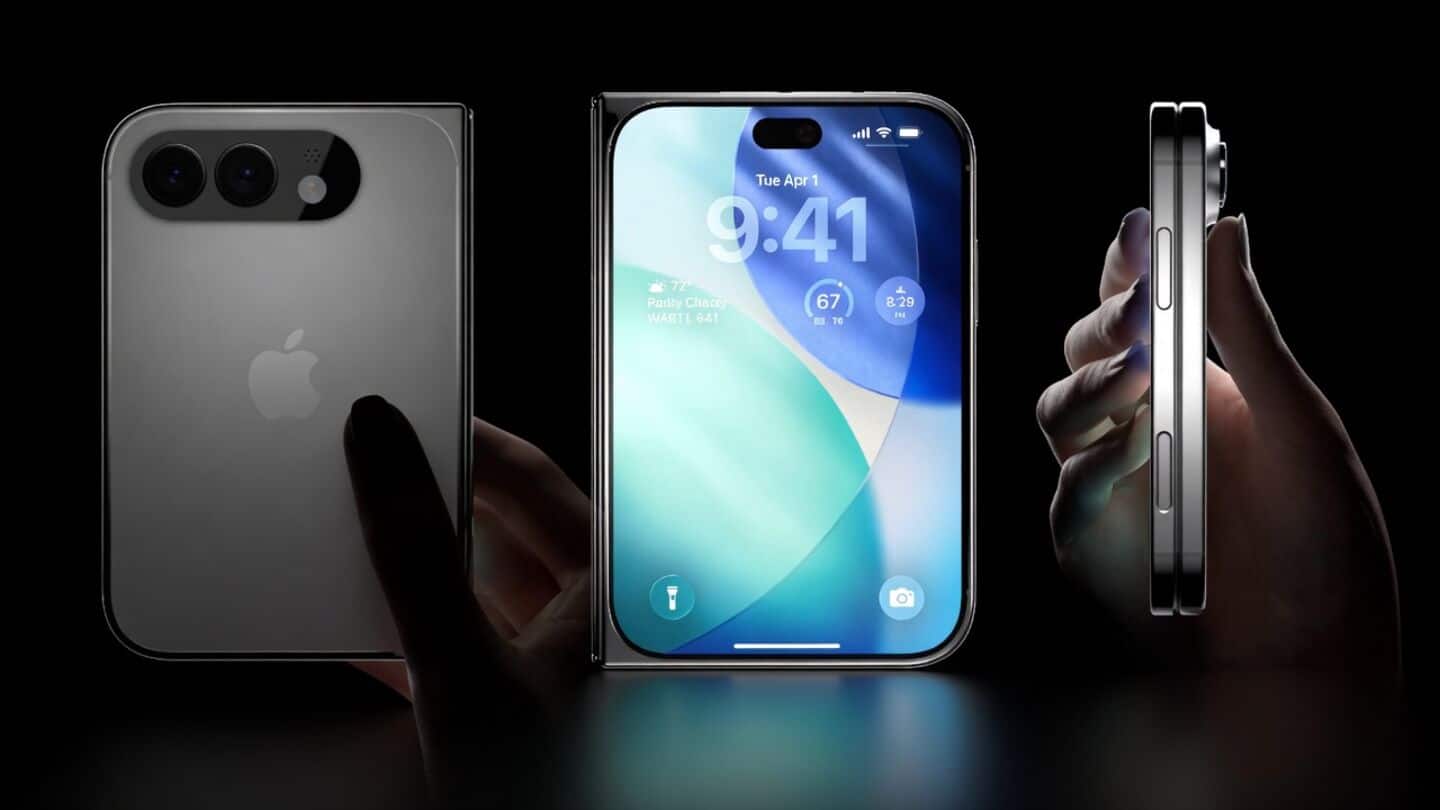
CUPERTINO, California — Apple's heavily rumored inaugural foldable iPhone is projected to command an average retail price of about $2,550, establishing it as the most costly iPhone ever created as the company approaches its launch window next week.
Apple is broadly anticipated to officially present the handset, expected to be marketed as iPhone Ultra, during its September 9 showcase together with the iPhone 18 Pro and iPhone 18 Pro Max.
Market intelligence provider IDC now estimates the typical transaction value for the new form factor at near $2,550, with upper tier storage variants possibly attaining or surpassing $3,000.
Nabila Popal, senior research director at IDC, stated that Apple's move into foldables has already altered the outlook for the entire category prior to any formal announcement.
Popal noted that absent Apple, foldable shipments would have contracted at a double digit pace on a year over year basis, highlighting how expectation around Apple's arrival has already recalibrated industry forecasts for folding smartphones.
Independent projections from Taiwan based TrendForce released ahead of the September 9 presentation offered a slightly more modest United States entry point between $2,099 and $2,299, while emphasizing that maximally configured models equipped with the largest storage capacity could still exceed the $3,000 mark.
Even at the bottom of that spectrum, the product would substantially outstrip the entry price of Apple's present flagship, the iPhone 17 Pro Max which begins at $1,199, rendering the folding model unequivocally the dearest iPhone produced to date.
Additional forecasts circulating in advance of introduction have settled in a comparable band. Noted Apple supply chain analyst Ming Chi Kuo has earlier floated a potential window of $2,300 to $2,500 according to summaries of his research, while separate China based supply chain informants referenced by publications such as Notebookcheck have indicated that fully optioned versions might surpass 20,000 yuan, equivalent to about $2,900 after currency conversion and tax adjustments.

Component Inflation And Foldable Complexity Driving Costs
Analysts ascribe a portion of the premium to generalized inflationary pressures reverberating through the smartphone parts ecosystem, not merely elements unique to Apple's folding architecture.
Analysis indicates that pricing for a conventional 256 gigabyte NAND module has surged close to 400 percent versus the previous year, fueling aggregate bill of materials increases of approximately 10 percent to 20 percent across forthcoming smartphone releases broadly, a trend that has compelled vendors including Apple to internalize some expense while still transferring considerable increases to end users.
Apart from universal component escalation, the foldable architecture inherently incurs supplementary expenditures absent from Apple's standard iPhone portfolio.
Per AppleMagazine's assessment of the cost structure, the handset's interior flexible panel, hinge assembly, specialized structural alloys, dual cell battery arrangement and exacting fabrication tolerances each inject cost variables nonexistent in a conventional rigid iPhone, illuminating why the foldable variant demands such a pronounced surcharge versus the existing Pro and Pro Max family.
Display Size, Biometrics And Silicon Expectations
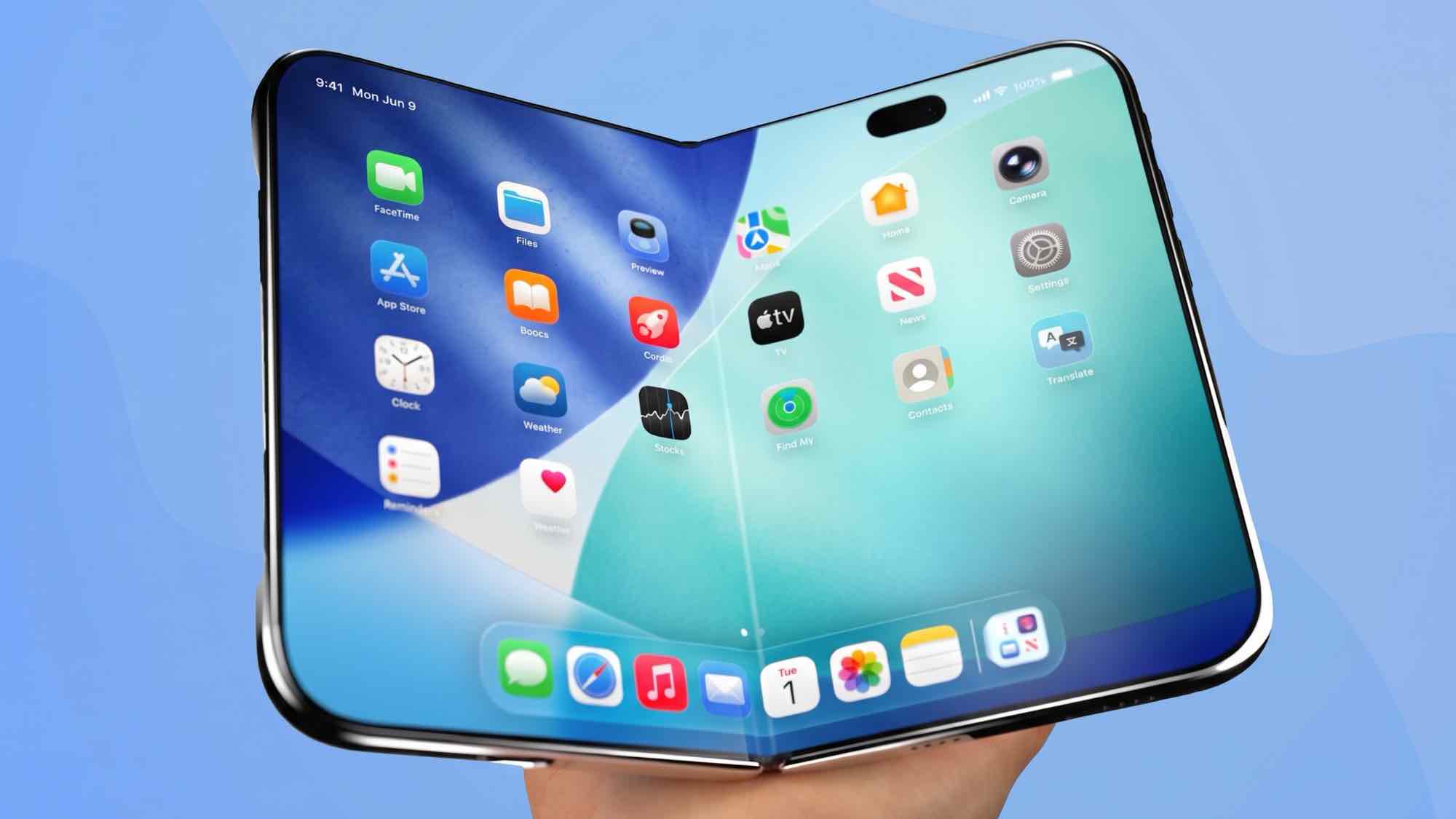
Regarding technical particulars, the foldable iPhone is speculated to incorporate a 7.8 inch internal flexible screen paired with a compact 5.5 inch outer cover screen when collapsed.
The apparatus is anticipated to forgo Face ID in favor of Touch ID, representing a notable divergence from Apple's current biometric strategy across its remaining iPhone range, allegedly necessitated by volumetric limitations imposed by the folding chassis.
Concurrently the device is predicted to integrate Apple's forthcoming A20 processor and its proprietary C2 modem, aligning it architecturally with the wider iPhone 18 generation notwithstanding its differentiated industrial design and pricing stratum.
Supply Orders Raised To 10 Million Units
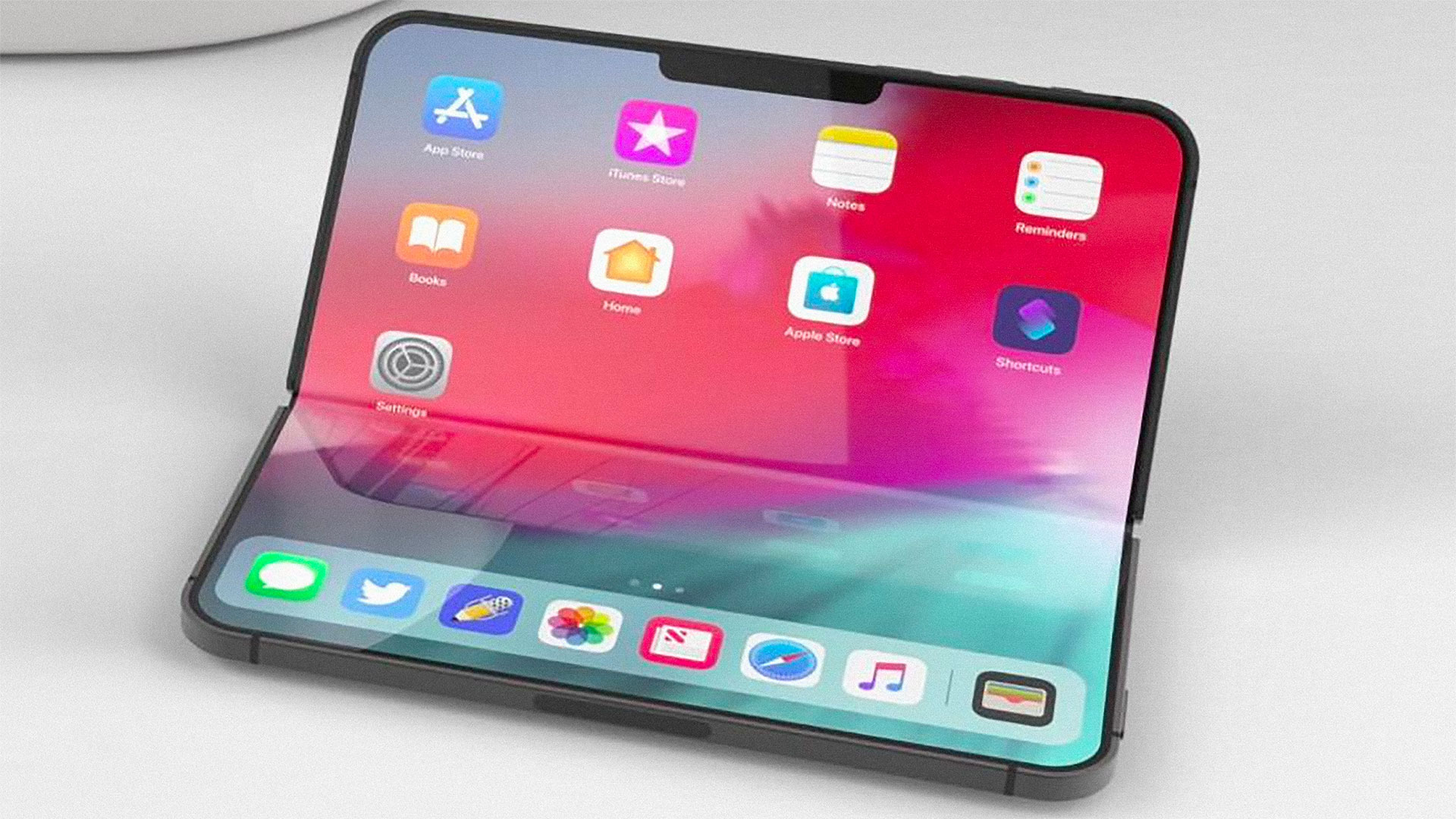
Notwithstanding its lofty valuation, Apple has purportedly directed component vendors to provision capacity for roughly 10 million units, marking a substantial upward amendment from prior manufacturing projections that oscillated between 7 million and 8 million units.
That revision implies Apple foresees demand exceeding initial internal expectations even at a premium positioning.
Wider category predictions imply the foldable iPhone could exert a disproportionate influence on Apple's standing inside the foldable smartphone arena specifically.
Current estimates posit Apple could secure about 40 percent of worldwide foldable smartphone shipments by volume while capturing in excess of half of total segment revenue, a reflection of the elevated price tier at which the product is projected to trade relative to rival foldable offerings from Samsung, Huawei and Google.