Rich Content:
In recent years, the world has witnessed a wave of corruption scandals that have rocked governments and toppled political leaders. From the sprawling Lava Jato scandal in Brazil to the collapse of Austria’s government over corruption allegations, citizens are becoming increasingly fed up with political elites profiting from public office. With each new revelation, the demand for transparency, accountability, and justice grows louder. But as scandals continue to surface, one must ask: is corruption an inevitable part of politics, or are we finally witnessing a global reckoning?
Corruption’s Global Reach: A Pattern of Betrayal
Corruption, the abuse of power for personal gain, is a phenomenon that transcends borders, political systems, and ideologies. It manifests in different forms, from bribery and embezzlement to nepotism and fraud, and it impacts every aspect of governance.
Latin America: Corruption in Latin America has been especially rampant, with major scandals shaking governments to their core. Brazil’s Lava Jato (Operation Car Wash), one of the largest corruption investigations in history, exposed a vast network of political and corporate graft that implicated hundreds of politicians and business leaders across the region. The fallout led to the impeachment of President Dilma Rousseff and the imprisonment of former President Luiz Inácio Lula da Silva.
Europe: Corruption scandals in Europe have also made headlines. In Austria, Chancellor Sebastian Kurz resigned after allegations of using public funds to secure favorable media coverage. Similarly, in Romania, massive protests erupted in response to government attempts to roll back anti-corruption laws, leading to the resignation of several high-ranking officials.
These scandals highlight how deeply entrenched corruption can become within political systems, but they also demonstrate the power of civil society and the rule of law in holding leaders accountable.
The Costs of Corruption
The costs of corruption are far-reaching and profound, undermining not only governance but also the economic stability and social fabric of nations. Corruption siphons off resources meant for public services, exacerbating poverty, inequality, and underdevelopment.
Economic Impact: Corruption distorts markets and discourages foreign investment, hindering economic growth. Nigeria, for example, has long struggled with corruption in its oil sector, where billions of dollars in revenues have been lost to graft. These losses directly affect funding for critical infrastructure projects, education, and healthcare.
Political Instability: Corruption erodes trust in government and fuels political instability. When citizens perceive their leaders as corrupt, they lose faith in democratic institutions and processes. This often leads to civil unrest, mass protests, and even the rise of authoritarian or populist leaders who promise to clean up corruption but may only deepen it.
In some cases, corruption can even lead to the collapse of governments, as seen in Ukraine’s Euromaidan Revolution, where public outrage over corruption and the government's alignment with Russian interests sparked a massive uprising that eventually led to the ousting of President Viktor Yanukovych.
The Role of Whistleblowers and Investigative Journalism
In many of the world’s most significant corruption scandals, whistleblowers and investigative journalists have played a critical role in bringing corruption to light. These individuals and organizations risk their careers—and often their lives—to expose wrongdoing and hold powerful figures accountable.
Panama Papers: In 2016, the Panama Papers leak revealed how world leaders, celebrities, and business magnates used offshore tax havens to hide their wealth. This massive investigative effort, led by the International Consortium of Investigative Journalists (ICIJ), led to political resignations and legal reforms worldwide, demonstrating the power of journalism in the fight against corruption.
Lava Jato: The success of Brazil’s Lava Jato investigation was largely due to a group of dedicated prosecutors and judges who worked tirelessly to uncover the extensive corruption network. Sergio Moro, the judge who oversaw much of the investigation, became a national hero (though his later political involvement would spark controversy).
Whistleblowers, too, have proven essential in exposing corruption. Figures like Edward Snowden and Chelsea Manning have shown how insider leaks can expose abuses of power, even when those abuses are shrouded in state secrecy.
Civil Society: A Growing Demand for Accountability
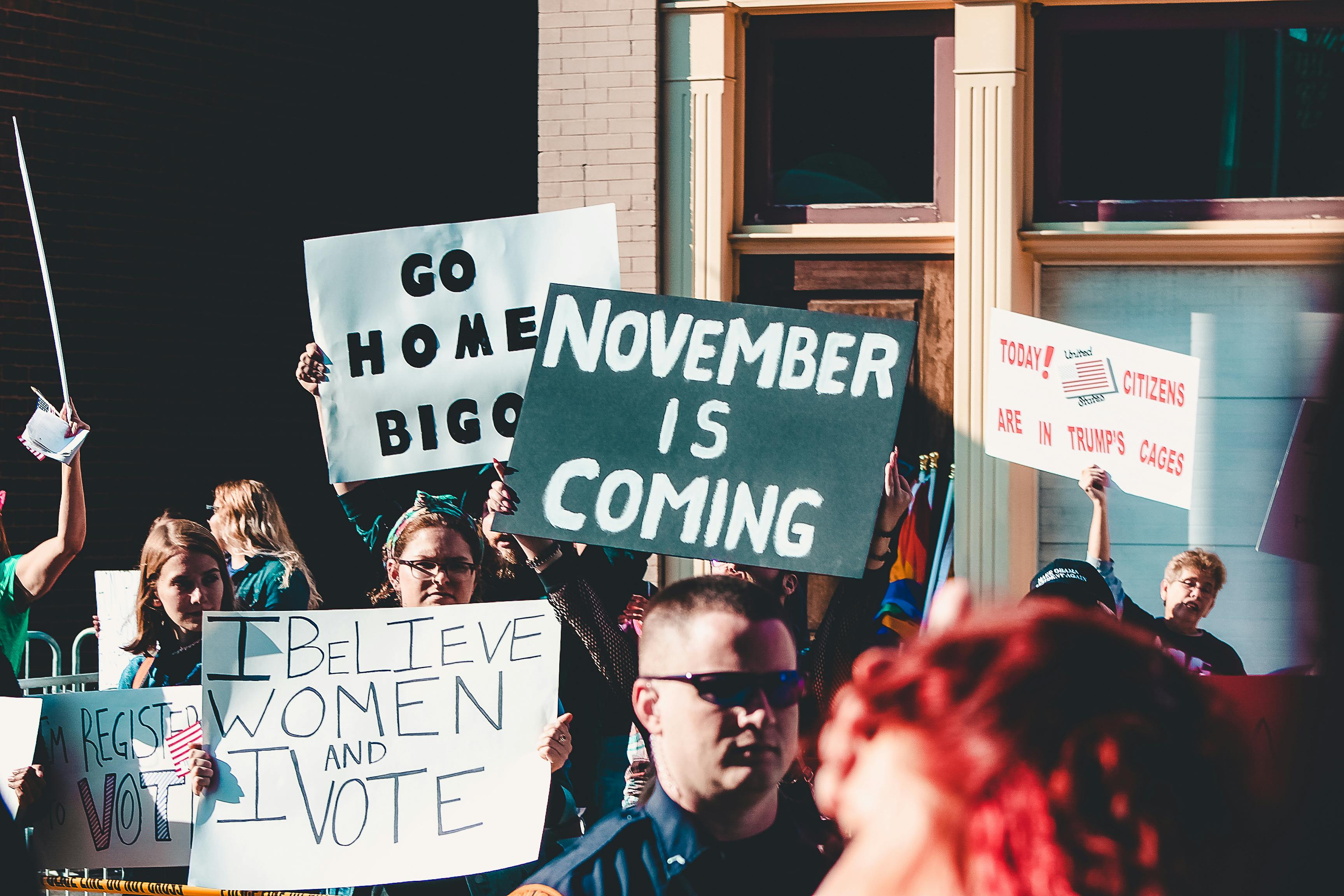
Perhaps the most significant development in the fight against corruption is the role of civil society. From mass protests to social media campaigns, ordinary citizens are taking to the streets and online platforms to demand accountability from their leaders.
Mass Protests: In countries like Romania, Hong Kong, and South Africa, widespread protests have forced corrupt governments to backtrack on policies designed to shield political elites from prosecution. In Hong Kong, the anti-corruption protest movement expanded into a broader fight for democracy, inspiring global solidarity and a spotlight on China’s increasing control over the region.
Social Media: The rise of social media has also empowered citizens to expose and criticize corruption. Platforms like Twitter and Facebook enable rapid dissemination of information, helping to amplify voices that might otherwise be silenced by authoritarian regimes. Hashtags like #CorruptionMustFall and #EndSARS (a movement against police corruption in Nigeria) have become rallying points for global movements.
Through grassroots organizing and digital activism, civil society has emerged as a formidable force against corruption, showing that even the most powerful leaders can be held accountable when people unite.
Corruption in Autocracies vs. Democracies
While corruption exists in both autocracies and democracies, the way it manifests and is addressed differs significantly. In authoritarian regimes, corruption is often deeply institutionalized, with few mechanisms in place to hold leaders accountable.
Authoritarianism and Corruption: Autocratic regimes tend to suppress anti-corruption efforts and often use state resources to maintain power. In countries like Russia and China, corruption is not only tolerated but is also used as a tool of political control. Dissenting voices—whether they are political rivals, activists, or journalists—are routinely silenced through intimidation, imprisonment, or worse.
Corruption in Democracies: In contrast, democracies typically have more robust checks and balances, including independent judiciaries, free press, and active civil society organizations. While corruption scandals still occur in democracies, there is often a stronger institutional response to investigate and prosecute corrupt officials. However, the rise of populist leaders who undermine democratic institutions can pose a significant threat to these mechanisms, as seen in Hungary and Turkey.
The ongoing battle against corruption in both types of regimes highlights the importance of strong democratic institutions and public vigilance in safeguarding accountability.
Solutions: How Can We Combat Corruption?
Fighting corruption requires a multi-pronged approach that involves legal reforms, institutional oversight, and international cooperation.
Legal Reforms: Strengthening laws around transparency, campaign finance, and conflict of interest can limit the opportunities for corruption. Countries like South Korea have introduced strict anti-corruption laws that hold public officials accountable for even minor ethical violations.
Institutional Oversight: Independent anti-corruption commissions and watchdog agencies can play a crucial role in investigating and prosecuting corrupt officials. Ensuring that these bodies have the resources and autonomy to operate free from political influence is essential for their success.
International Cooperation: Corruption is often transnational, involving global networks of illicit financial flows. International bodies like the United Nations, Interpol, and the OECD have developed frameworks to help countries coordinate anti-corruption efforts and recover stolen assets.
Ultimately, the fight against corruption requires a collective effort from governments, civil society, and international organizations. Without sustained pressure and reform, corruption will continue to undermine the political and economic systems that societies rely on.
Conclusion: A Watershed Moment for Accountability?
As corruption scandals continue to shake governments across the globe, we may be witnessing a watershed moment in the fight for accountability. With greater public awareness, more robust investigative tools, and rising demands for transparency, the era of impunity may be drawing to a close. But the battle is far from over. Only through sustained vigilance, institutional reform, and civic engagement can we hope to curb corruption and restore faith in democracy.