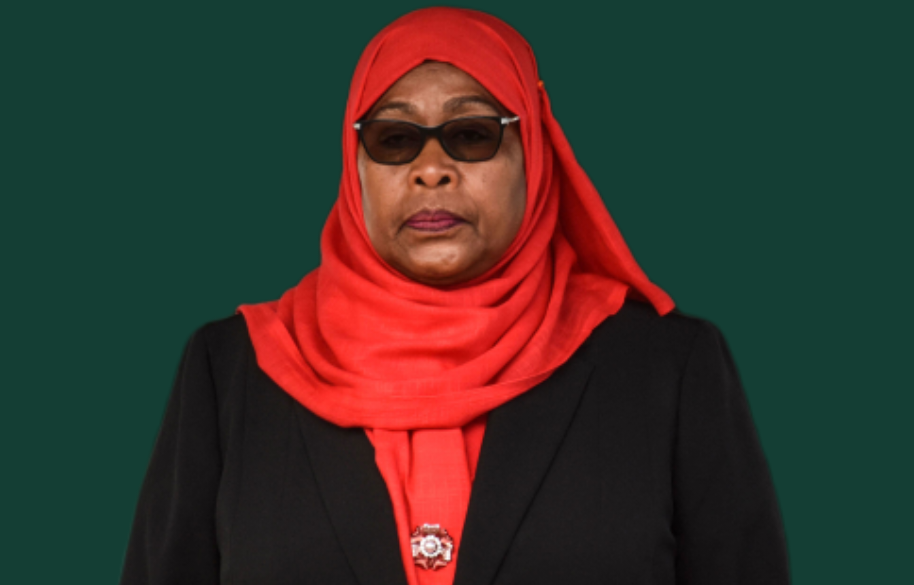
A recent crackdown on opposition party activities and institutions critical of Tanzania's President Samia Suluhu Hassan administration has left many political observers and analysts concerned about the East African country's democratic space.
The latest moves, point to a return to the dark days in Tanzania when opposition parties and their supporters faced significant crackdowns, arbitrary arrests and other forms of political persecution — particularly during Magufuli's rule, which lasted from 2015 until his death in 2021.
Suluhu, 65, ascended to the presidential seat after the death of Magufuli in March 2021. Until then, she was Magufuli's deputy. The President, has in recent weeks made headlines for all the wrong reasons, after Kenyan and Ugandan activists and lawyers, who had travelled to the country ahead of opposition figure Tundu Lissu’s trial, were deported from the country, others held incommunicado and allegedly tortured.
In the wake of mounting dissent against President Samia Suluhu's administration, the Tanzanian Government has officially Shut down a church, a day after it's leader criticised President Suluhu.
The Registrar of Civil Societies, Emmanuel Kihampa, in a letter issued Monday, June 2, 2025, announced the immediate deregistration of Glory of Christ Church – Ufufuo na Uzima.
The Registrar, said the church violated the Societies Act, Chapter 337, by delivering politically charged sermons intended to undermine public trust in the government. His letter was also addressed to the Inspector General of Police, Camillius Wambura.
“By the powers granted to me, the Office of the Registrar of Civil Societies has today revoked the registration of the Glory of Christ Church – Ufufuo na Uzima. All church operations must cease immediately,” Kihampa stated.
The Church, is led by Kawe Member of Parliament and outspoken cleric Bishop Josephat Gwajima. The action came less than 24 hours after Bishop Gwajima announced a week-long prayer campaign calling for justice and peace.
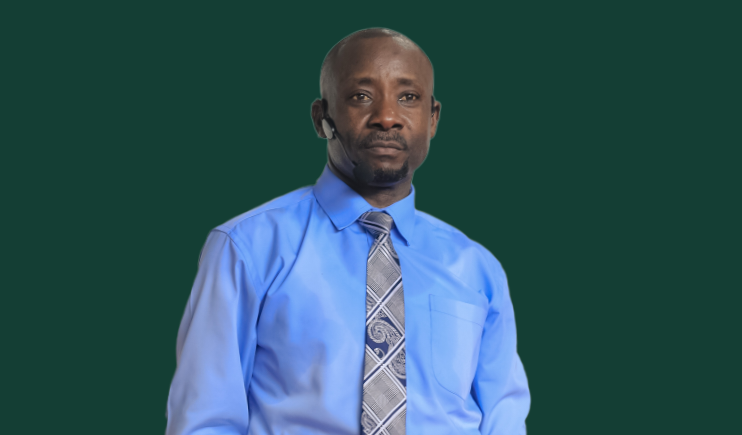
Gwajima, during Sunday’s service on June 1, rallied his followers across more than 2,000 church branches nationwide to pray against what he described as a culture of fear and silence.
The bishop’s recent remarks during a press conference criticising the government’s handling of abductions sparked backlash from officials in the ruling Chama Cha Mapinduzi (CCM) party.
Kihampa warned that Gwajima’s actions threatened peace and national cohesion.
“The Church’s continued political agitation under the guise of religious activity cannot be tolerated,” he added.
Bishop Josephat Gwajima spoke out following the closure of his church, expressing concern over recent events in the country, including the rift between Kenya and Tanzania over the treatment of its Activists in Dar.
“When countries are not on good terms, it affects our country, our tourism, and people start seeing Tanzania as not a good place,” Gwajima said.
He criticised the situation, stating, “I do not accept what is going on. These things are not supposed to happen in Tanzania. I’m talking as a citizen of Tanzania, saying abductions are not allowed in our country. Whether they are wrong or not, you should not abduct; you should arrest under the law.”
This move marks one of the most high-profile shutdowns of a religious institution in Tanzanian history and has ignited debate over freedom of expression and the independence of religious voices in the country.
Meanwhile, Responding to international pressure over her perceived clampdown on dissent, President Suluhu said she "will not allow any human being to mess up our country."
Speaking in Dar es Salaam recently, when she launched Tanzania's new foreign policy guidelines, the head of state said: "Let us not be like a grandmother's homestead, where anyone can come and say whatever they wish. They would say: 'Tanzania is existing, while others would say it is not'."
On what she perceives to be foreign interference in Tanzania's internal affairs, President Suluhu said: "We have started witnessing a pattern where activists from other countries within the (East African) region are interfering in our local affairs. If they (activists) have been contained in their own countries, they should not come to destroy our country."
Suluhu added that her government will "not give them (activists) room" to "destabilise" Tanzania.
"They (activists) have already ruined their own countries, they have messed up their countries, and the only country which is yet to be destroyed within the (East African) region is Tanzania. The Tanzanian citizens are secure, peaceful and they live in harmony. There are (concerted) attempts (to destroy that)," she emphasised.
The president further asked Tanzania's security apparatus "not to give room to undisciplined people from other countries to come and disobey our laws", asserting that she "will not allow that (disobedience of the Tanzanian law)."
President Suluhu also responded to viral social media posts, which describe her as "intolerant" to dissent.
"I have seen several video clips claiming that I am biased, and all that. What I'm doing is protecting my country as its custodian, and that is what the Tanzanian citizens expect of me. We will not allow any human being to mess up our country, be they citizens of Tanzania or foreigners. We will not give them that room."
Under Suluhu's leadership, calls have mounted for electoral reforms, mainly an overhaul of how election commissioners are appointed.
Currently, the election commissioners, including the chairperson, are presidential appointees, and their appointments are not subject to a parliamentary vetting process.
Lissu, a fierce critic of the government and a high-ranking member of the opposition Chadema party, has been advocating for a change of how the commissioners are appointed to guarantee a "level playing field." His mantra has been "no reforms, no election."
Lissu, 57, has been arrested on several occasions, and in 2017 he survived an assassination attempt after his vehicle was shot 16 times.
He, thereafter, went into exile in Belgium, and briefly returned to Tanzania in 2020 to run against the then-incumbent President John Magufuli. Lissu lost the election and returned to Belgium.
In January 2023, he announced his return to Tanzania after President Suluhu announced changes that allowed the opposition more freedom.
Lissu's party, Chadema, has been barred from fielding candidates in Tanzania's October 28, 2025 general election, which would see Tanzanians vote for president and members of parliament.
Ramadhani Kailima, the director of elections at Tanzania's Independent National Elections Commission, said that Chadema had failed to sign a code of conduct document that was due on April 12, 2025.
President Suluhu's Chama Cha Mapinduzi party (CCM), which has governed Tanzania since 1977, is widely expected to retain power following the ban on Chadema's participation.