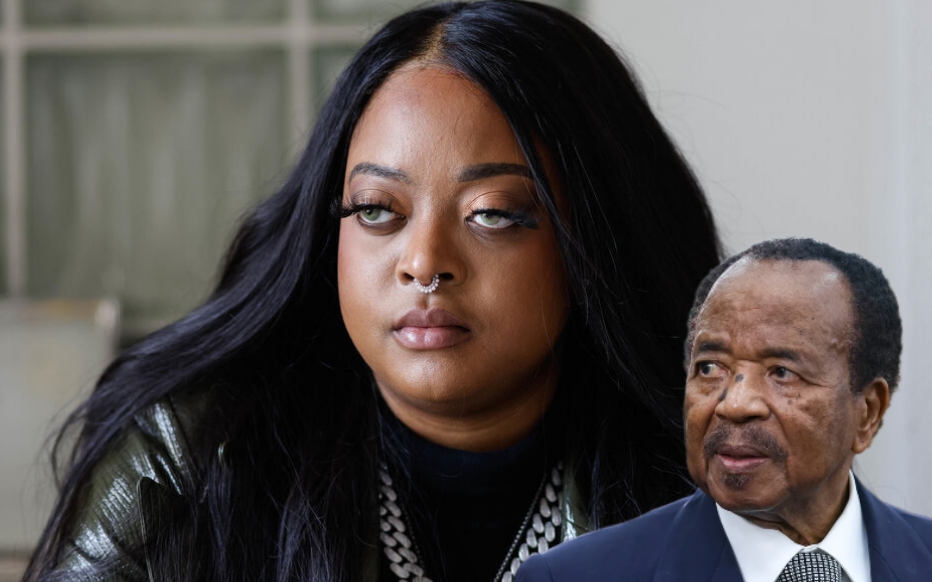
YAOUNDÉ, Cameroon – In a dramatic twist ahead of Cameroon’s October 12 presidential election, Brenda Biya, daughter of President Paul Biya, has publicly urged Cameroonians not to vote for her father, accusing him of causing the citizenry widespread suffering.
This development is particularly remarkable because it marks the first time in African political history that a sitting president’s child has openly opposed their parent’s rule and actively discouraged the public from supporting them. In a continent where political families often remain tightly knit and protective of power, Brenda Biya’s stance represents a powerful break from the norm.

In a video posted on TikTok that has since gone viral, the 27-year-old appears to speak from a hotel room, recounting alleged mistreatment and abandonment by her own family. The personal grievances quickly took on a political edge as she declared, “Do not vote for Paul Biya. He made a lot of people suffer, including his own family. I hope we will have another president.”
The first daughter, went ahead to state that her father's 43-year-old tenure as President, is to blame for the high cost of living, unemployment and all the woes Cameroonians are undergoing, noting that voting-out Biya is the country's only solution out of the 'pit.
President Paul Biya, now 92 years old, has ruled Cameroon for over 43 years, making him one of the world’s longest-serving heads of state. His tenure has been characterized by authoritarianism, economic mismanagement, human rights violations, and a persistent crackdown on dissent. Despite growing calls for change, Biya has repeatedly clung to power, with elections widely criticized for lacking transparency and fairness.
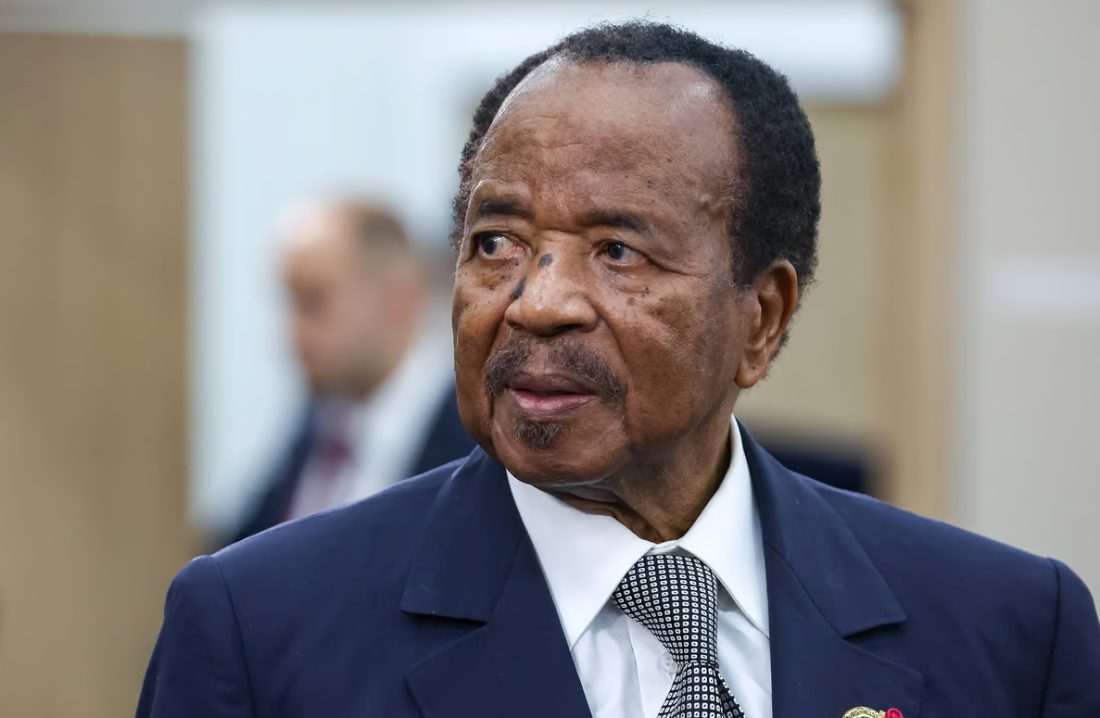
Brenda’s message appears to reflect the frustrations of many young Cameroonians who have known no other leader in their lifetime. Her decision to publicly voice dissent is being hailed by many as an act of courage and patriotism, especially considering the risks involved in speaking out against a regime known for silencing critics — even those within its own circles.

This incident has sparked a nationwide debate not only about the upcoming election but also about the future of governance in Cameroon, the role of youth in political transformation, and the growing demand for accountability from those in power. Many see Brenda’s decision as a wake-up call for Cameroonians to rethink their political loyalty and demand a better future.
Her defiance stands in stark contrast to the norm in many African political dynasties, where family members typically support the incumbent and benefit from entrenched systems of privilege. Instead, Brenda has chosen to stand with the people, positioning herself as a voice of conscience in a deeply polarized political landscape.
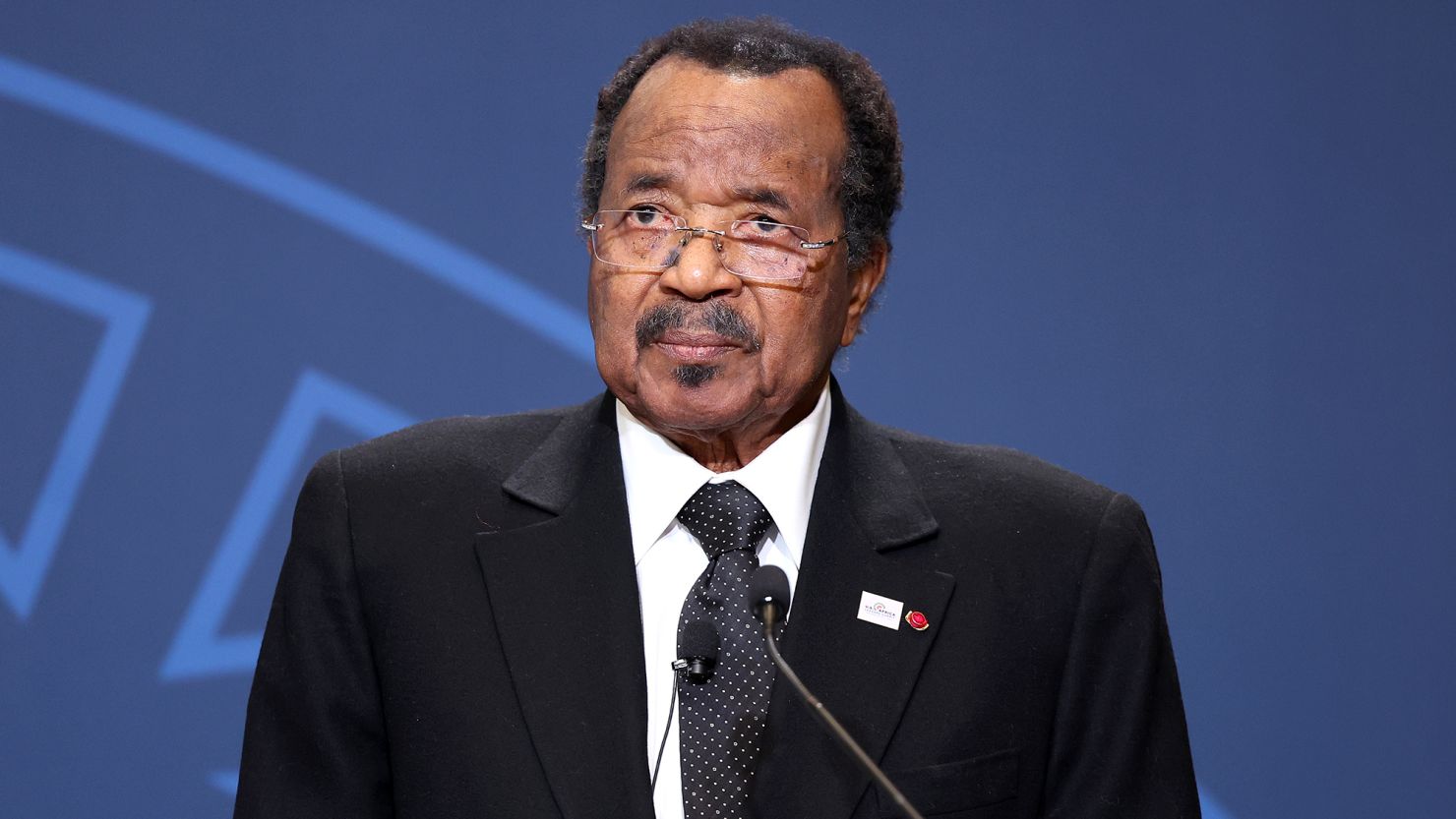
With just weeks to go before the polls, the video has added a new layer of tension to Cameroon’s already charged electoral atmosphere, underscoring growing divisions around the country’s longest-serving leader.