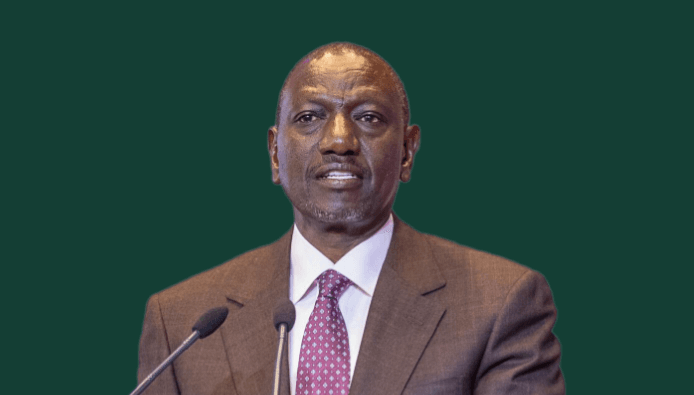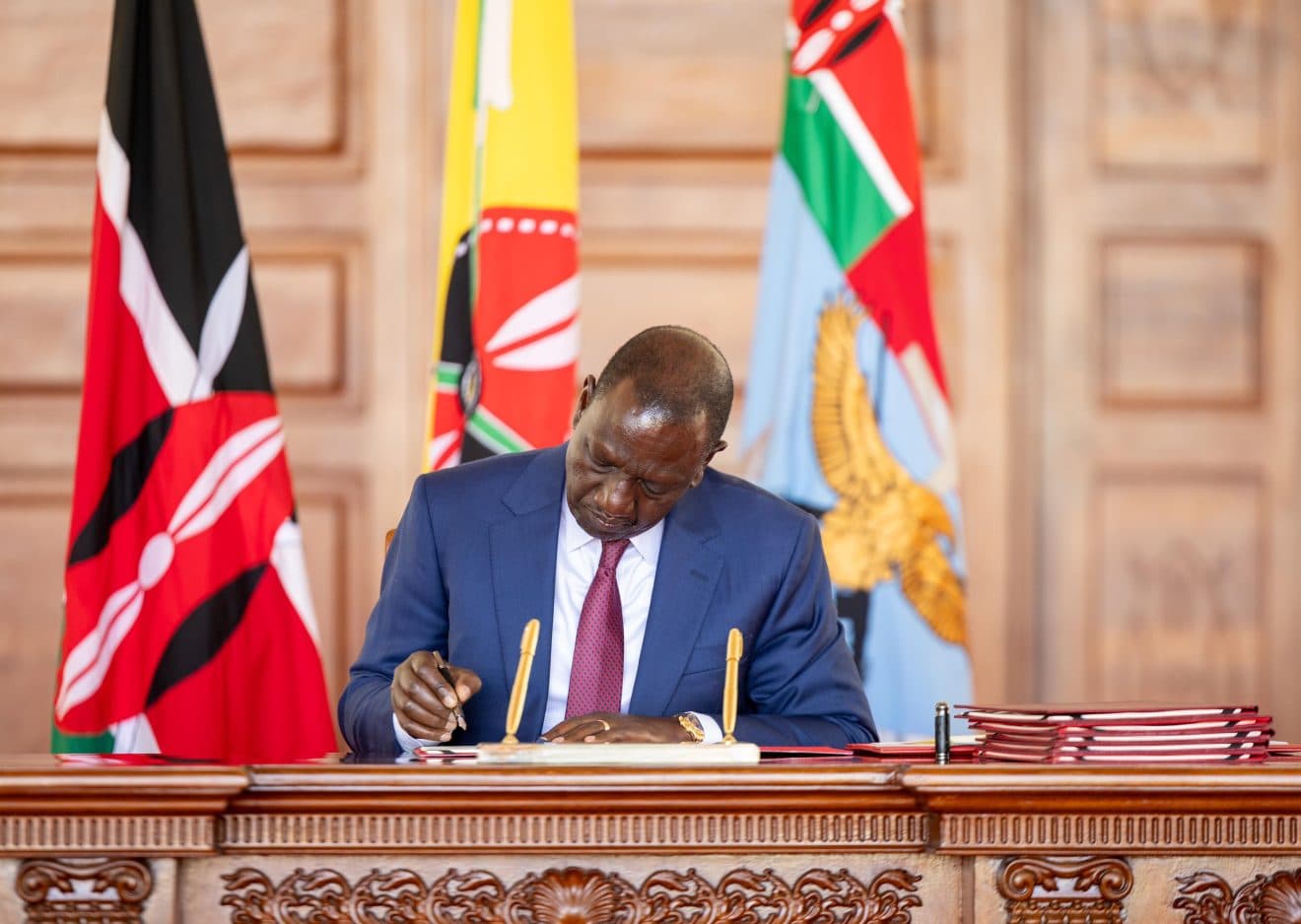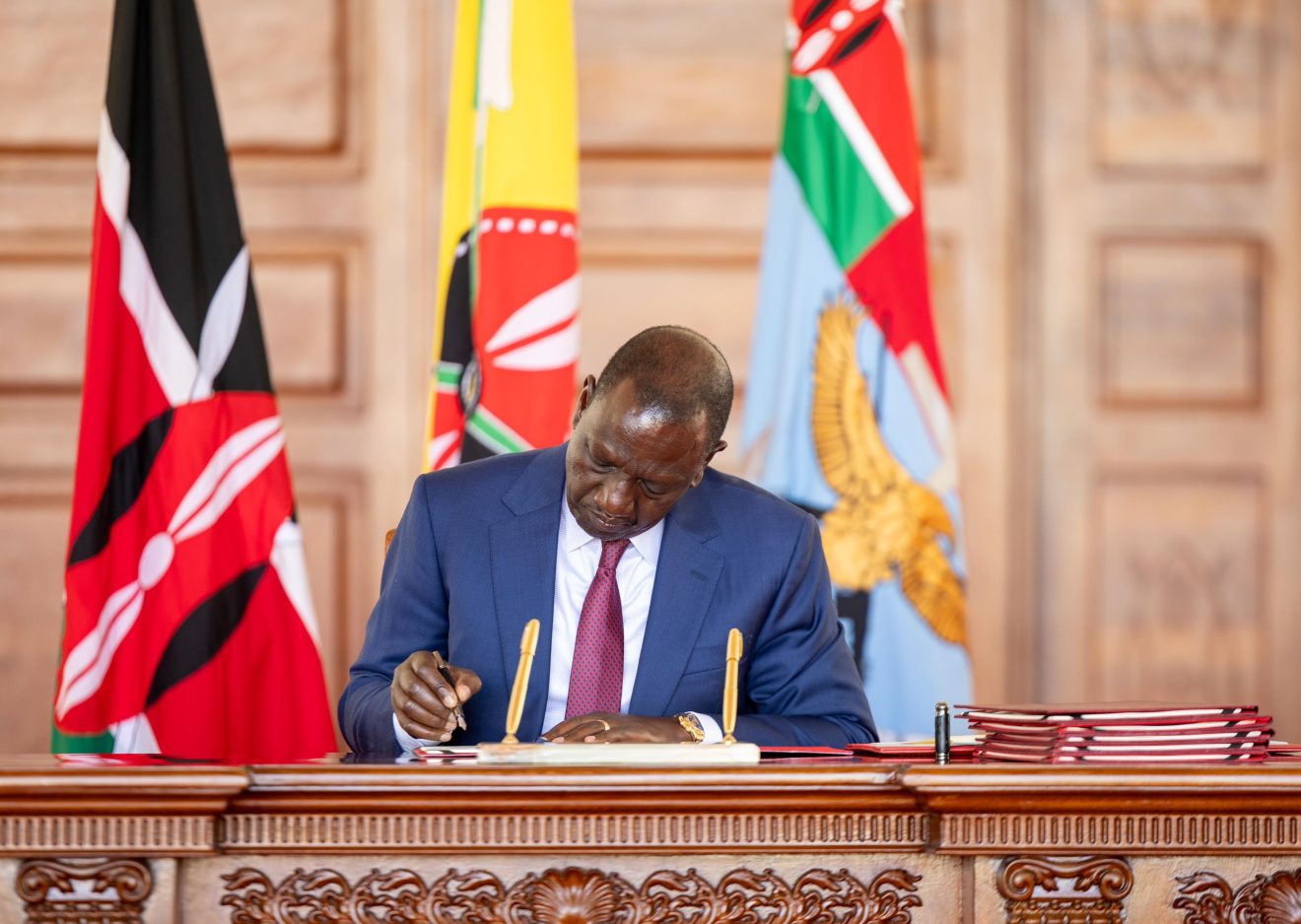
President William Ruto has set in motion a sweeping administrative overhaul, gazetting the appointment of 34 individuals to selection panels charged with filling critical vacancies across four constitutional commissions and independent offices. The move, enacted in early April 2026, aims to stabilize key pillars of state oversight ahead of the high-stakes 2027 General Election.
This strategic realignment is not merely a bureaucratic exercise it is a fundamental preparation for the upcoming electoral cycle. By ensuring that bodies responsible for policing oversight, public service management, educational governance, and intergovernmental relations are fully staffed, the administration seeks to insulate the 2027 polls from the administrative paralysis that often plagues transitions.
The scale of the recruitment—spanning the Independent Policing Oversight Authority, the Public Service Commission, the Teachers Service Commission, and the Intergovernmental Relations Technical Committee—suggests a concerted effort to fortify the institutional scaffolding of the Kenyan state.
The Architecture of Oversight
At the center of this transition are the selection panels tasked with identifying the next generation of commissioners and board members. These panels are the gatekeepers of institutional integrity, responsible for vetting candidates to ensure they possess both the technical competence and the requisite independence to serve the public interest. The institutions involved are central to the daily lives of Kenyans and the stability of the country during politically volatile periods.
Independent Policing Oversight Authority (IPOA): Mandated to hold the National Police Service accountable, its leadership is critical for public trust. Following the appointment of former chair Issack Hassan to the Court of Appeal, the search for a new chairperson has become a barometer for the government's commitment to police accountability.
Teachers Service Commission (TSC): As the largest employer in the public sector, the TSC's stability directly impacts educational delivery. Given that teachers often serve as presiding officers and polling clerks, the integrity of the TSC commission board has profound implications for election logistics.
Public Service Commission (PSC): Charged with the recruitment and management of civil servants, the PSC sets the tone for meritocracy in the public sector. Maintaining a full bench is essential to preventing gaps in government service delivery.
Intergovernmental Relations Technical Committee (IGRTC): This body acts as the critical bridge between national and county governments. As the country approaches an election, managing inter-level disputes becomes paramount to ensuring a seamless transition of power.
The 2027 Electoral Calculus
For political analysts, the timing of these appointments is no coincidence. In Kenya, the eighteen months preceding a general election are usually characterized by intense political maneuvering and heightened focus on the independence of state agencies. By initiating these recruitment processes in the second quarter of 2026, the administration is effectively creating a buffer period. This allows the newly recruited officials time to settle into their roles, understand the intricacies of their mandates, and establish operational cohesion well before the campaign season reaches its peak.
History has shown that vacuums in these independent offices are often exploited by political actors to sow distrust in state systems. When constitutional commissions are left with missing commissioners, the resulting perception of weakness can be weaponized. By proactively addressing these vacancies—some stemming from statutory term expirations and others from judicial appointments—the government is attempting to project an image of institutional preparedness. However, the opposition and civil society actors continue to scrutinize the composition of these selection panels, arguing that the true test of this exercise lies in the transparency of the recruitment process and the ultimate caliber of the nominees forwarded to the President.
The Weight of Public Expectation
Beyond the political dimensions, the functional importance of these institutions cannot be overstated. The recruitment of commissioners requires a rigorous, merit-based approach that transcends partisan loyalty. For instance, the IPOA chairperson needs the judicial gravitas to navigate the often-tense relationship between the police service and human rights groups. Similarly, the PSC requires members who can withstand the pressures of patronage to uphold the dignity of the civil service.
The current recruitment drive involves a diverse array of stakeholders, including representatives from the Executive Office of the President, the Attorney General's office, and professional bodies such as the Law Society of Kenya and the Association of Professional Societies in East Africa. This multi-stakeholder model is designed to provide a democratic safeguard, ensuring that the selection panels are not monolithic entities but rather collaborative bodies capable of vetting candidates against broad societal expectations.
As these panels begin their work, the public gaze will remain fixed on the shortlist of candidates. In a country where institutional independence is frequently debated, the output of these panels will serve as a vital indicator of whether the constitutional spirit of 2010 remains vibrant. The success of this recruitment cycle will be measured not just by the speed at which positions are filled, but by the public trust reposed in the individuals who will eventually occupy these vital offices.
Ultimately, the stability of the 2027 electoral environment will rely on the resilience of these very institutions. As the selection panels undertake their mandates, the eyes of the nation are watching to see if these appointments will reinforce the constitutional order or if they will become another battleground for competing political visions of the state.