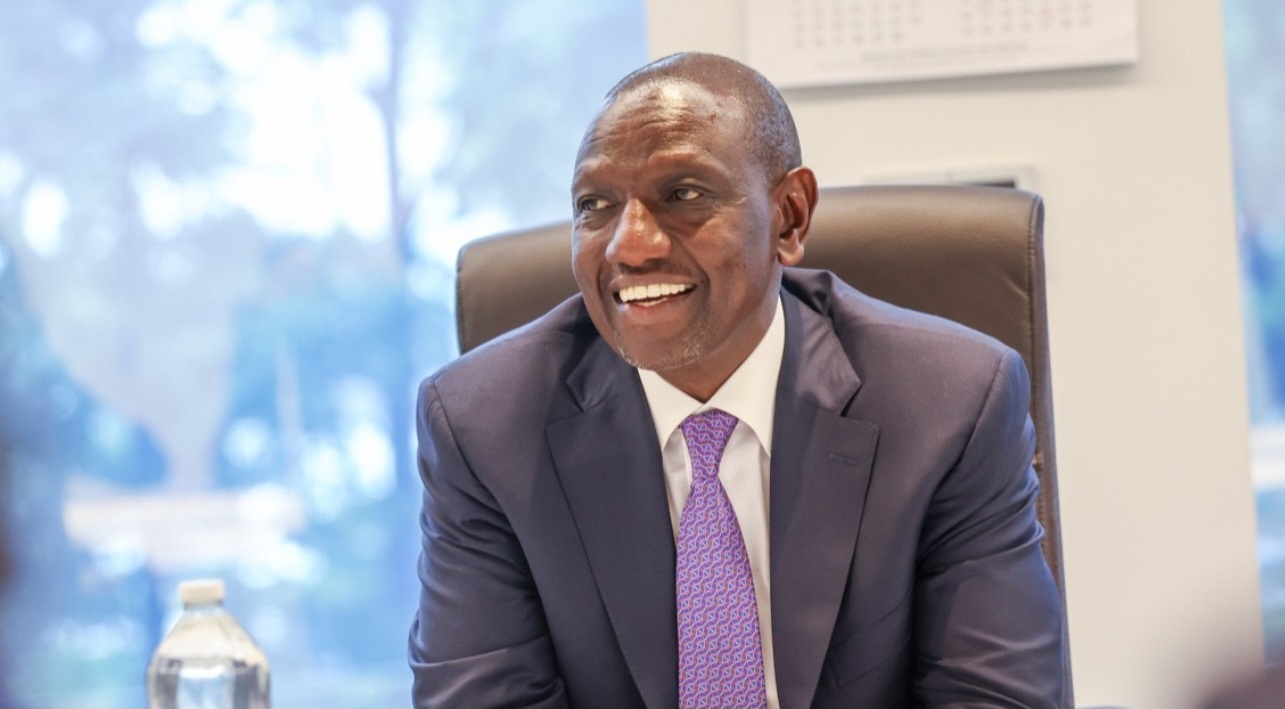
In a significant move to enhance voter participation, President William Ruto has announced that the government will waive fees for replacing national identification cards until after the 2027 General Election.
The decision, aimed at ensuring no Kenyan is excluded from registering as a voter due to the lack of an ID, was revealed during the Pentecostal Assemblies of God (PAG) centenary celebrations in Nyang'ori, Vihiga County, on Saturday.
The President explained that the replacement fee was initially introduced to deter citizens from repeatedly losing their IDs, which were provided free of charge, and requesting replacements.
However, to prioritize access to voter registration, the government has decided to suspend these fees until the elections are concluded.
"We will make sure no one is denied the opportunity to register as a voter because of a lack of an identification card," Ruto emphasized.
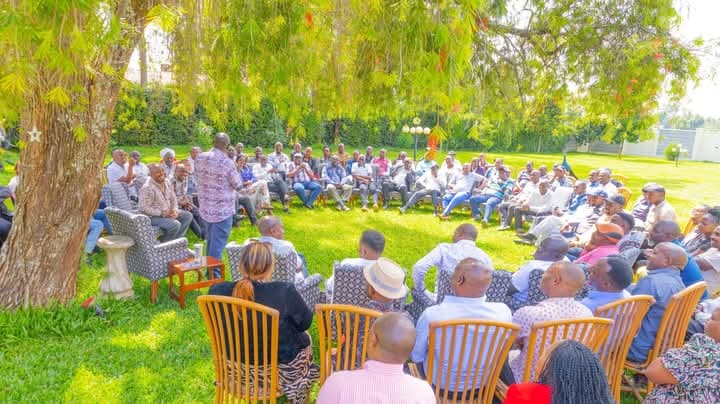
The event was attended by prominent leaders, including Prime Cabinet Secretary Musalia Mudavadi, Bungoma Governor Ken Lusaka, Vihiga Governor Wilber Otichilo, as well as Members of Parliament and county assembly representatives.
In addition to the ID fee waiver, President Ruto unveiled plans to establish two transformative financial instruments: the Infrastructure Fund and the Sovereign Wealth Fund.
The Infrastructure Fund will focus on financing agricultural transformation through initiatives such as irrigation, agro-processing, and value addition. It will also support industrialization, manufacturing, and the expansion of power generation to meet the country's growing energy demands.
Highlighting the current state of Kenya's energy production, Ruto noted that the country generates approximately 2,300 megawatts, which he deemed insufficient for industrial growth.
"Currently, Kenya generates only 2,300 megawatts, which is not enough to take Kenya to the next level. A minimum of 10,000 megawatts is needed if we are to transform this country into an industrialized and manufacturing nation," he stated.
The Sovereign Wealth Fund, on the other hand, will focus on long-term financial planning by investing surplus revenues and other financial reserves. Such funds are designed to stabilize economies, grow national wealth, and secure sustainable financial returns for future generations. Ruto stressed the importance of saving for the future rather than spending all resources immediately, underscoring the need for fiscal responsibility to ensure Kenya's long-term prosperity.
President Ruto called on Kenyans to unite in unlocking the country's potential and elevating it to new heights. He urged citizens to reject mediocrity and the mindset of remaining a Third World country.
"We must change this country. We cannot continue to talk without acting," he said. "Kenya is not supposed to be a Third World country."
Addressing healthcare access, Ruto warned health facilities against charging citizens for outpatient services at dispensaries, health centers, and sub-county hospitals, as these costs are already covered by the government.
He further revealed that the government has paid health insurance contributions for 2.5 million vulnerable Kenyans who cannot afford to contribute to the Social Health Authority (SHA), totaling Sh3.7 billion.
The President's announcements signal a multifaceted approach to national development, combining efforts to enhance democratic participation, drive economic growth through strategic investments, and improve access to essential services like healthcare.
As Kenya prepares for the 2027 elections, these initiatives aim to lay the groundwork for a more inclusive and prosperous future.