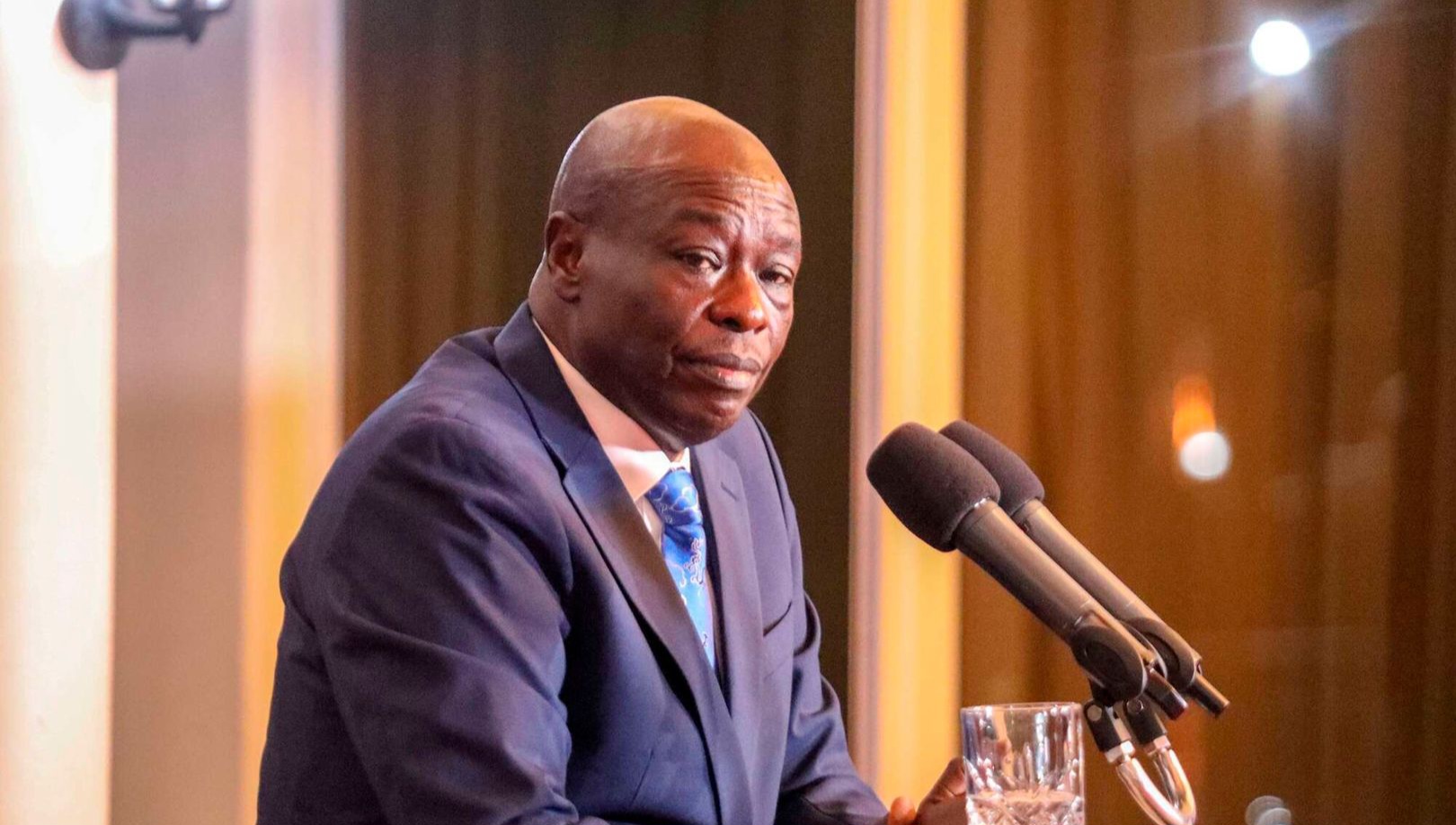
Former Deputy President Rigathi Gachagua has proposed a significant overhaul of Kenya's presidential election process, advocating for the tallying and announcement of results at the constituency level to enhance transparency and curb electoral malpractice.
Speaking during a recent television interview, Gachagua argued that decentralizing the process from the national tallying centre at Bomas of Kenya would reduce delays and opportunities for result manipulation, which have historically sparked controversy.
Gachagua emphasized that announcing results at the constituency level would make tampering more difficult compared to the centralized system.
He noted that the national tallying centre has been a source of contention since the 2007 General Election. By devolving the process to 290 constituency returning officers, Gachagua believes the results could be finalized swiftly, potentially by the morning after voting, reducing public anxiety and minimizing manipulation risks.
He suggested that once results are announced at the constituency level, they should be considered final, allowing media and observers to independently tally and verify the winner.
Looking ahead to the 2027 General Election, Gachagua predicted a competitive two-horse race between President William Ruto and a candidate backed by a united opposition. He dismissed the viability of a third political force, stating that Kenyans would likely reject any splinter group.
Gachagua also refuted claims of divisions within the opposition, specifically denying rumored tensions with former Interior Cabinet Secretary Fred Matiang'i. He accused President Ruto of attempting to sow discord within opposition ranks to weaken their unity.
Meanwhile, President Ruto has called on Kenyan youth to register as voters for the 2027 polls, stressing that their participation will shape the country's future leadership.
Speaking at a church service in Meru County, Ruto urged young people to focus on development rather than engaging in premature political campaigns.
He criticized opponents for relying on divisive rhetoric instead of offering concrete solutions, arguing that such tactics have hindered Kenya's progress.
Ruto highlighted his administration's achievements, including the Infrastructure Fund, which aims to construct 30 mega dams and generate 10,000 megawatts of energy through wind, solar, hydro, and nuclear sources.
On healthcare, he encouraged Kenyans to register with the Social Health Authority to access free outpatient services across public, private, and faith-based facilities, urging citizens to report any demands for payment for these services.
In Meru County, Ruto announced a Sh7 billion contract for the Nithi Bridge, Sh2 billion to connect 26,000 households to electricity, and Sh11 billion for affordable housing, fresh produce markets, and student hostels.
An additional Sh12 billion has been allocated for similar initiatives. He also revealed plans to upgrade the Meru County Referral Hospital to a Level 6 facility at a cost of Sh1 billion, ensuring advanced medical care is available locally.
As Kenya prepares for the 2027 elections, Gachagua's proposal for constituency-level result declarations and Ruto's focus on development projects highlight contrasting visions for the country's electoral and developmental future. The push for electoral reforms aims to restore public confidence, while infrastructure and healthcare initiatives seek to address pressing socio-economic needs.