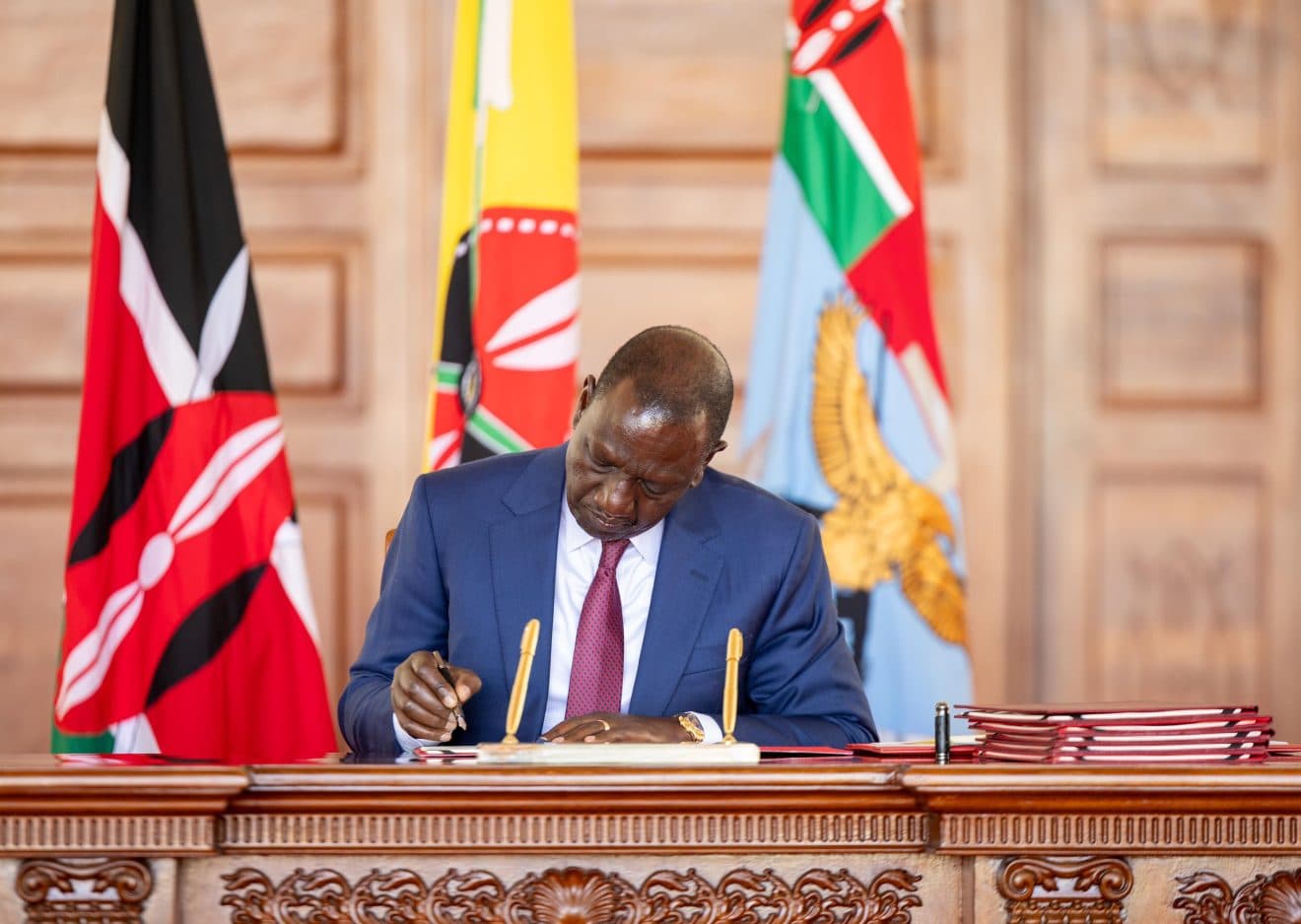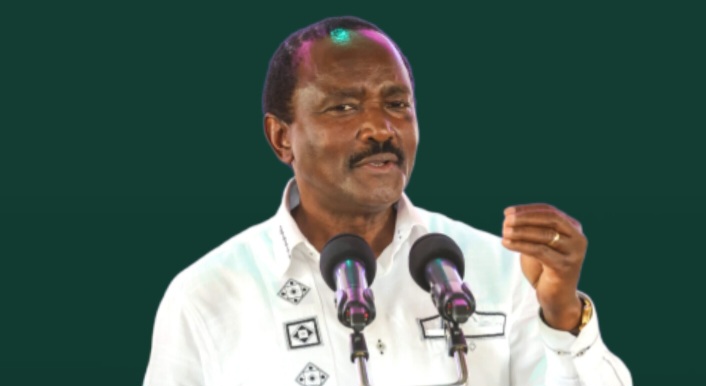
Wiper Party leader Kalonzo Musyoka has slammed the Kenya Kwanza regime, led by President William Ruto, for what he terms as its insatiable appetite for loans.
Speaking during the Wiper Party National Delegates Conference held on Friday, October 10, 2025, at the historic Uhuru Park, the former vice president faulted the present administration for the ballooning national debt that has held the country hostage.
”What about this regime’s insatiable appetite for loans upon loans upon loans? Kenya’s public debt under this regime has become an albatross around our necks. They call it “Bottom-Up Economics,” but what we see is bottomless corruption and top-down greed." said Kalonzo.
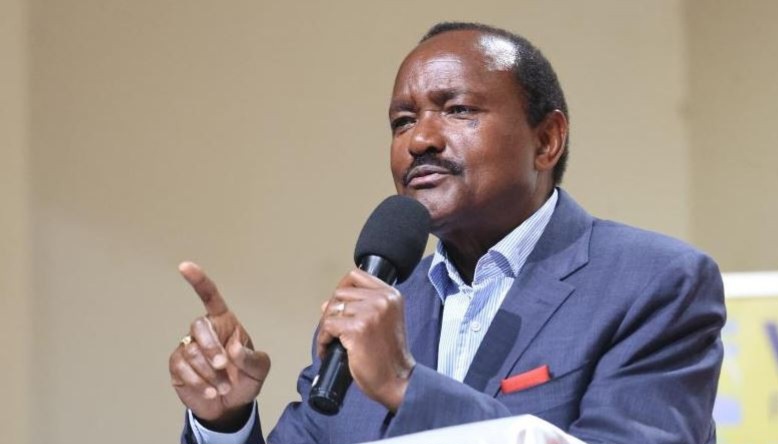
"It is not an economic plan; it is an economic funeral. This regime has attempted to capture all institutions to do its unconstitutional bidding. They have captured Parliament, and that is why today it stands impeached,”
His remarks come in the wake of a ballooning debt burden that threatens to cripple the economy.
Kenya’s borrowing spree shows no signs of slowing, with the government taking loans equivalent to Sh32.4 million every hour over four months, Treasury data presented to Parliament reveals.
Between May 1 and August 31, 2025, the country secured Sh95.5 billion through four new loan facilities from bilateral, multilateral, and commercial lenders to support development projects and operational needs.
Treasury Cabinet Secretary John Mbadi confirmed that these borrowings have pushed Kenya’s total public debt to Sh12 trillion.
The report, tabled on October 7, 2025, shows the loans break down to Sh23.9 billion per month, Sh776.6 million per day, Sh539,321 per minute, and nearly Sh9,000 per second.
Two of the loans are denominated in US dollars, while the other two are in euros, with interest rates ranging from 1.41 per cent to 8.25 per cent and a commitment fee of 0.25 per cent.
“One loan facility and one bond issuance from the previous period are reflected in the current report, having been recorded in the Commonwealth Meridian system after the close of the reporting period,” the Treasury document notes.
The borrowing aligns with Section 31(3) of the Public Finance Management Act, which requires the Treasury CS to submit updates to Parliament every four months on foreign or foreign-denominated loans.
The law mandates that each report specify the lender, amount, currency, repayment terms, interest, other charges, purpose of the loan, and expected benefits.
Among the new loans, Sh62 billion was raised through an international sovereign bond issued on April 30, 2025, by CitiGroup Global Markets Europe AG to fund liability management operations and budgetary support for the 2025/26 financial year.
The bond is scheduled for repayment in two instalments of $250 million on April 30, 2030, and April 30, 2032, with an annual interest rate of 8.25 per cent.
Another major facility of Sh16.4 billion was obtained from the International Fund for Agricultural Development (IFAD) to finance the Integrated Natural Resources Management Programme. This project targets improving climate resilience and enhancing livelihoods for women, youth, and vulnerable communities.
Repayments will be made in 40 semi-annual instalments of $3.17 million from June 15, 2030, to December 15, 2049, with a fixed interest rate of 1.41 per cent and a service charge of 1.39 per cent for the loan’s duration.
Sh9.17 billion was also borrowed from the Organisation of Petroleum Exporting Countries (OPEC) to support the Economic Inclusion and Green Recovery Support Programme, which focuses on boosting efficiency in public spending, improving budget transparency, and strengthening debt management.
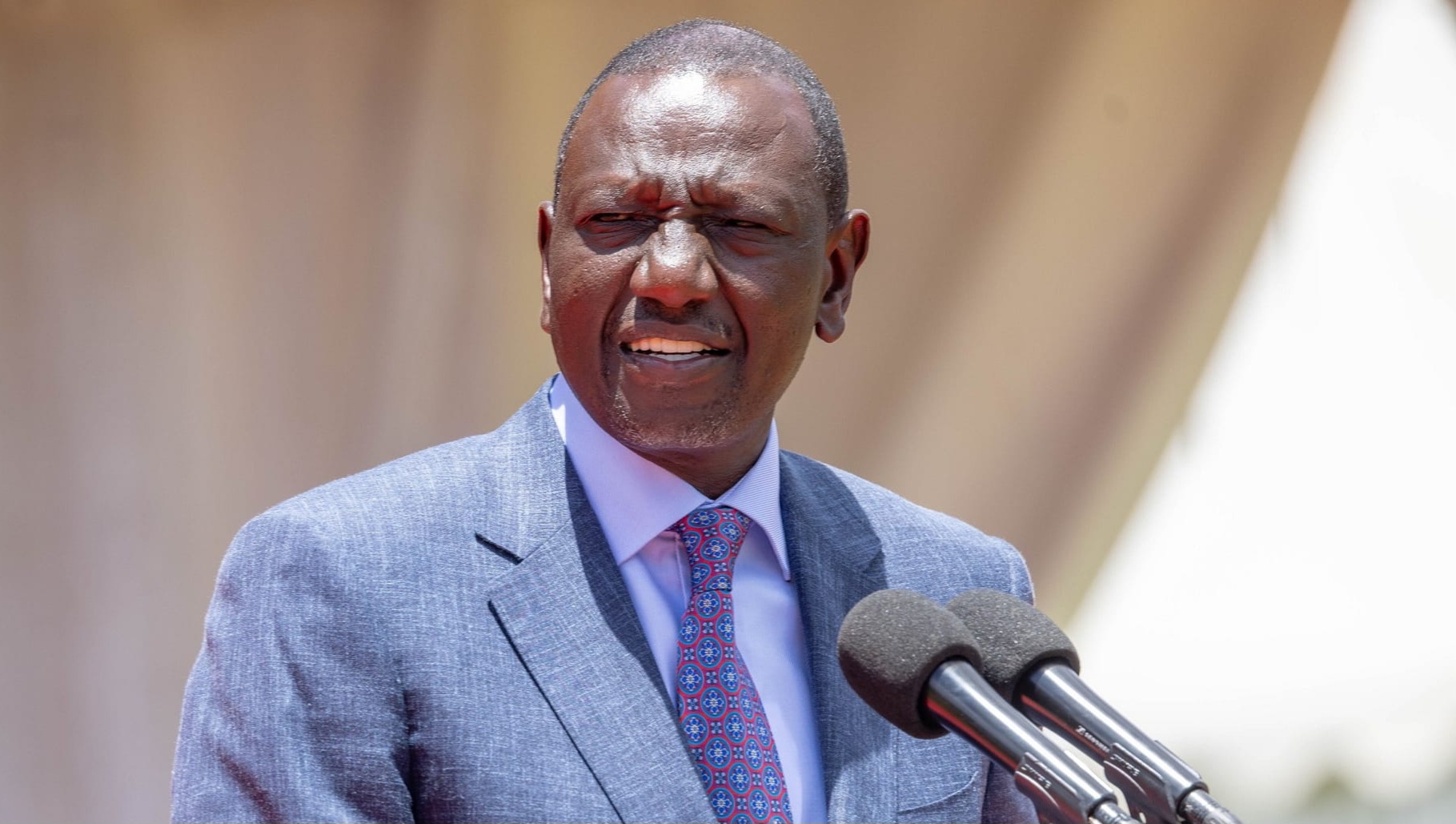
The report shows that the borrowing was driven by widening budget deficits and delayed revenue collection. The figures translate to an average borrowing of Sh23.9 billion per month, Sh795.8 million per day, and Sh532.4 million every hour.
Despite these measures, concerns about Kenya’s debt sustainability continue to grow. The country’s debt currently represents around 62 per cent of GDP, exceeding the 55 per cent debt ceiling set by the 2023 amendment to the Public Finance Management Act.
For the 2025/26 financial year, the government anticipates Sh1.098 trillion in debt obligations, including Sh646.4 billion in principal repayments and Sh196.7 billion in interest.
Opposition leaders and economists have called for urgent action to curb borrowing and review the fiscal framework, warning that continued accumulation could strain public finances and limit resources for critical development projects.