As Tanzanians vote to elect their next president today, attention is once again focused on Chama Cha Mapinduzi (CCM), the ruling party that has shaped the country’s political landscape since independence.
Formed in 1977 through the merger of the Tanganyika African National Union (TANU) from the mainland and the Afro Shirazi Party from Zanzibar, CCM has remained the dominant force in Tanzanian politics for nearly five decades.
Under the leadership of founding president Julius Nyerere, CCM introduced the concept of 'Ujamaa', a national vision rooted in unity, community development, and self-reliance. While Tanzania has since transitioned to a mixed economy, CCM continues to cite these values as its ideological foundation.
The party’s green and yellow colours, along with its symbol of a hoe and hammer, are widely recognised across the country, representing hard work, unity, and the struggle for independence.
Despite the return of multi-party politics in 1992, CCM has won every national election and maintains a deeply entrenched presence from the national level down to village structures.
Today, President Samia Suluhu Hassan serves as both head of state and CCM leader. She made history in 2021 as Tanzania’s first female president, succeeding the late John Magufuli.
Her early tenure was marked by promises of unity, openness, and dialogue, raising hopes for expanded political freedoms. However, in the lead-up to this election, rights groups and critics say the political space has narrowed significantly.
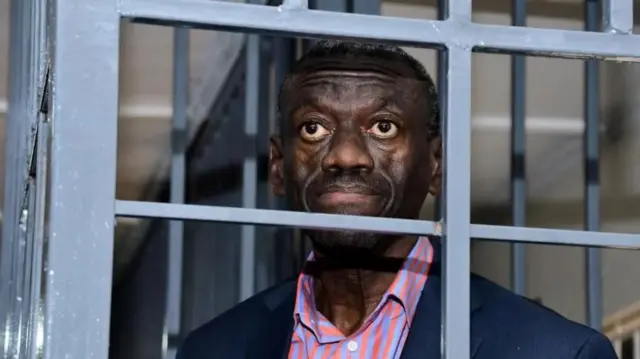
In April 2025, Chama cha Demokrasia na Maendeleo (CHADEMA) party leader Tundu Lissu was arrested following a rally in Mbinga and later charged with treason. He remains in custody, with rights organisations condemning the arrest as politically motivated.
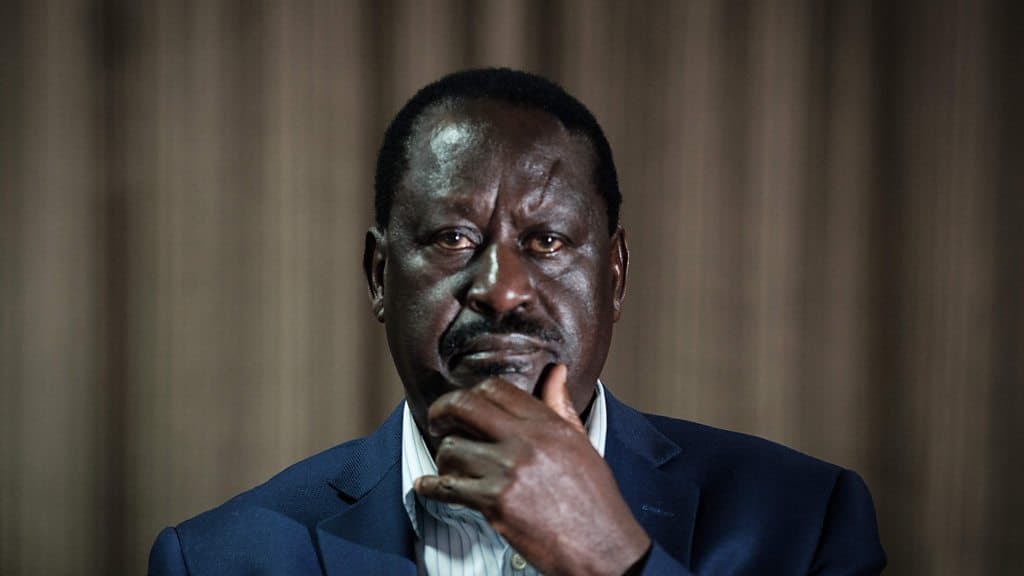
Freeman Mbowe, another senior CHADEMA figure, has faced multiple arrests, including during opposition crackdowns in 2024. Party officials claim these detentions are designed to disrupt their operations and weaken their electoral prospects.
Concerns have deepened over cases of abduction and violence.
In September 2024, CHADEMA official Ali Mohamed Kibao was abducted and later found dead, bearing signs of torture, including acid burns. A month later, Aisha Machano, a women’s wing leader, was abducted during party activities and later discovered injured in a forest.
Human Rights Watch reported in late September that it had interviewed activists, lawyers, and opposition members who described a pattern of disappearances, assaults, and torture. Amnesty International echoed these concerns in October, warning of “a climate of fear” as the election approached.
Local watchdogs have also raised an alarm. The Legal and Human Rights Centre in Dar es Salaam cited ongoing disappearances and questioned the government’s commitment to accountability.
The Tanzanian government has consistently denied allegations of political repression, asserting that security agencies operate within the law and that arrests are tied to criminal investigations, not political activity.
Still, many Tanzanians report growing unease, citing social media restrictions, surveillance, and intimidation. Today’s vote is widely seen as a critical test of Tanzania’s democratic resilience and its ability to balance stability with open political competition.
The polls were today marred by protests across the country, with a nationwide internet outage reported.
Images circulating online show civilians chasing away the police on major roads as some parts of the country registered low turnout amid Tanzania facing the greatest threats to democracy in recent years.
Netblocks, an internet access advocacy group, confirmed the outage, saying on X that “live network data show a nationwide disruption to internet connectivity.” Just before the disruption was confirmed, users noted an internet slowdown in the African country.
A spot check by Julisha Media across dozens of polling stations revealed a low turnout especially among younger voters.
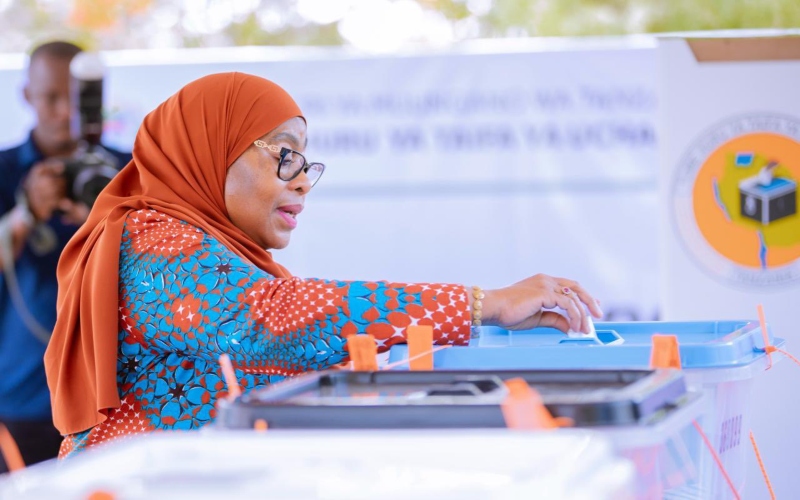
Hassan, who cast his ballot in the legislative capital, Dodoma, urged Tanzanians to turn out in large numbers to vote.
Tanzania has more than 37 million registered voters, a 26% increase from 2020, but that growth in voter registration is not likely to lead to more people going to the polls, analysts warn, citing apathy over the perception that Hassan will cruise to victory unchallenged.