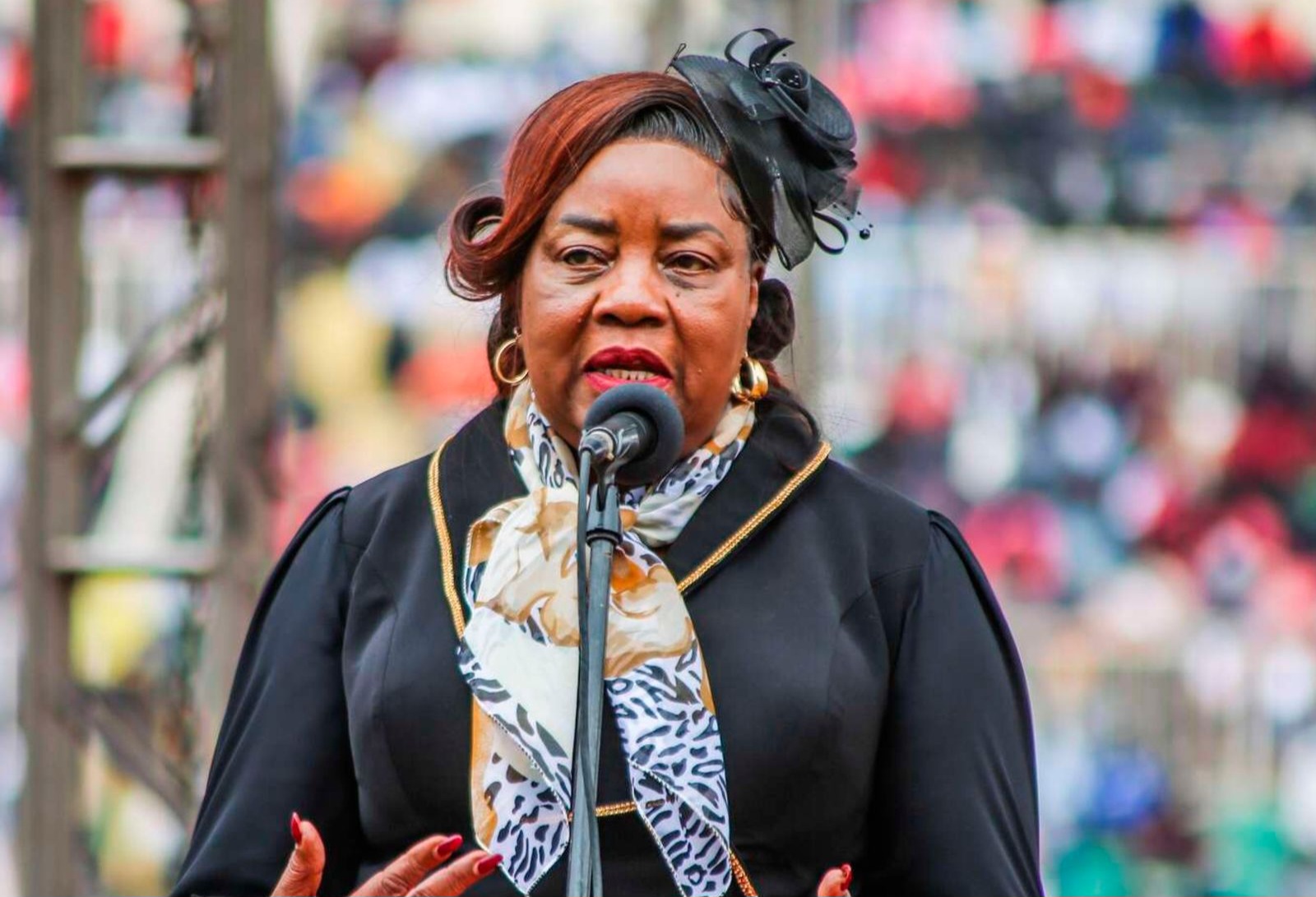
Ida Odinga, has pleaded on behalf of her late husband to Kenyans, asking them to forgive him if he ever wronged them.
The late former Prime Minister Raila Odinga's Widow, in a heartfelt plea, urged Kenyans who disagreed with her husband's doings or felt wronged by him, to have it in their hearts to let go.
Speaking at the Opoda Farm on Thursday, November 6, Ida asked Kenyans who ever thought the late Raila had annoyed them not to hold grudges but to release him in forgiveness.
"On behalf of my husband, to all those people who call him names and who think he was wrong if he annoyed you or did something that you did not like, I beg you to forgive him, because he’s gone, but I can do that on his behalf,” Idah said.
Idah, who has maintained silence since the burial of the late leader, emphasised that Raila was a forgiving person and always encouraged people to forgive and move on. She asked that no one hold grudges against him, as he is no longer in the world but with his Maker, with Christ, and with God.
“Forgive him, because he was easy. He was forgiving people easily. He said, ‘Forgive, and let’s move on.’ So you also, wherever you are, don’t hold grudges with him. He’s already gone. He’s with his maker. He’s with Christ. He’s with God. He’s not here. In fact, I think the spirit is looking down at you and saying, What are they crying about?” she added.
Raila Odinga, who spent more than four decades shaping the nation’s political landscape, died last month at the age of 80.
His life was defined by a relentless pursuit of democratic change and an unwavering influence on the country’s governance.
Born on January 7, 1945, in Maseno, Kisumu County, Odinga was the son of Jaramogi Oginga Odinga, Kenya’s first vice-president and a prominent figure in the independence movement.
Following his father’s example, Odinga entered politics in the late 1970s and quickly became known for challenging one-party rule during President Daniel Arap Moi's tenure in the 1980s.
In 1982, he was detained without trial for his alleged role in a failed coup attempt, spending nearly nine years in custody intermittently. His time in detention established him as a symbol of resistance and a steadfast advocate for political freedom.
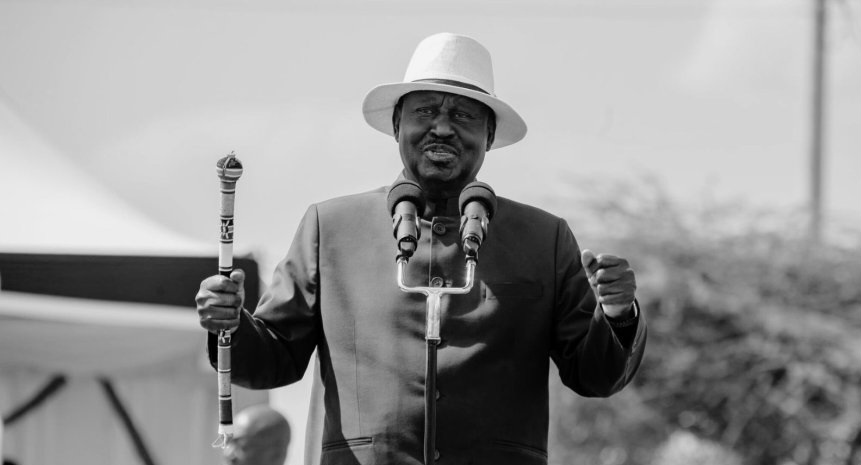
Odinga’s political journey included multiple parties and coalitions. He co-founded the Forum for the Restoration of Democracy (FORD), led the National Development Party (NDP), and briefly joined Kenya African National Union (KANU) in 2001 before parting ways.
After the 2005 constitutional referendum was rejected, he formed the Orange Democratic Movement (ODM), positioning himself as a central opposition leader.
Over the years, he contested five presidential elections between 1997 and 2022 but never secured victory.
The 2007 elections were particularly fraught, resulting in post-election violence that claimed over 1,000 lives and displaced thousands. A power-sharing deal later appointed him Prime Minister from 2008 to 2013, the only time Kenya has held this position in recent history.
In 2018, Odinga surprised many by reconciling with former President Uhuru Kenyatta in a gesture famously known as the “Handshake”, aimed at fostering national unity but debated among his supporters. His final presidential run in 2022, backed by Kenyatta, ended narrowly in defeat to William Ruto, with the Supreme Court upholding the results.
In March 2024, President William Ruto and Odinga officially signed a political pact signalling an endeavour to work together in one government.
The deal between Ruto’s ruling United Democratic Alliance (UDA) party and Odinga’s ODM was signed at the Kenyatta International Convention Centre (KICC). Both appended their signatures to a Memorandum of Understanding (MoU) while flanked by their respective party officials.
Beyond national politics, Odinga’s influence extended across Africa. As African Union High Representative for Infrastructure Development, he helped shape regional initiatives.
Throughout his life, he championed constitutional reforms, multiparty democracy, and social justice, leaving an indelible mark on Kenya and the continent.