Kenya recently witnessed a unique series of protests, distinct from typical political demonstrations. These protests, known locally as “Maandamano”, transcended regional, political, ethnic, social, and economic boundaries. They reflect a growing concern among Kenyans about the high cost of living, persistent governance issues, corruption, foreign debt and an increasing inflation rate.
The country’s escalating debt and its impact on service delivery and the economy have been a major worry. Despite various unsustainable measures and coping strategies, Kenyans have quietly continued to bear the burden of unpopular political decisions. The ruling class and elites have taken advantage of this silence to push through unpopular legislation and rulings, making the economic situation even more dire.
A year ago, the reality of Kenyans rising against punitive economic challenges seemed farfetched – let alone the idea of young people being able to meaningfully organise and participate in political processes. However, the contested Finance Bill of 2024 triggered unforeseen countrywide demonstrations to protest the finance bill, a punitive piece of legislation which sought to raise revenue of KES 3.7 trillion through taxation and acquisition of additional public debt.
Unlike the long history of the political elite-led demonstrations, the nationwide protests were led and headed predominantly by young people, known as Generation Z (Gen-Z) – those born in the late 90s and early 2000s – who demanded rejection of the finance bill. Over time, these demands evolved to decry the state of corruption, escalating public debt, accountability, impunity, incompetence, cronyism and wastage of public resources in both the executive and legislative arms of government.
The youth have challenged the established political order and tested the traditional political settlement theories that suggest power is primarily held by political elites. These events in Kenya could potentially lead to a shift in political power and the onset of a “co-shared political power” era of governance and public scrutiny on the affairs of the state. Leaders across the political divide, have come to realise the impact of youth in governance- one such leader is Kalonzo Musyoka.
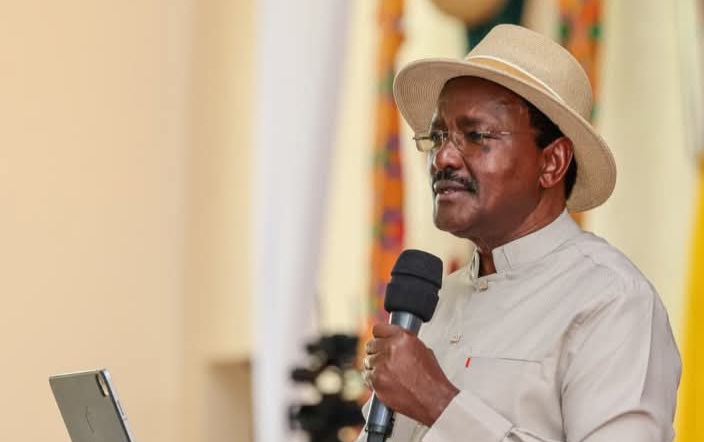
Wiper Party Leader Stephen Kalonzo Musyoka has called for greater recognition of youth-led Pan-Africanism, describing it as an important force shaping Africa’s future.
Speaking at Lukenya University during the groundbreaking of the Pan-African Institute, Musyoka urged leaders to listen to young people and support their peaceful efforts for transparency, accountability, and good governance.
“Leaders should pay attention to the voices of their people, especially the youth, who are driving a renewed interest in Pan-Africanism,” said Musyoka during the groundbreaking of the Centre for Pan-African Institute on Sunday.
The 2027 Presidential aspirant, added that the youth’s peaceful actions reflect their hope and determination and encouraged leaders to engage with them constructively rather than view them as a threat.
Kalonzo, said the Institute will provide a platform for education, innovation, and nurturing talent to promote Pan-African ideals.
“As we break ground for the Pan-African Institute today, let this moment remind us that Africa’s future is in our hands, and we are still painting our canvas. Let this Institute be a place where ideas ignite, talents are nurtured, and Pan-African ideals are brought to life,” Musyoka posed.
His remarks come in the wake of a youth-led revolution advocating for change across the African continent and Kenyan youth have rightfully earned their place in charting their destiny. The profound realisation that there is “nothing for us without us” will drive the youth to exercise agency in defining what matters to them.
Going forward, we anticipate that the youths will meaningfully participate in crucial processes and expect them to propose uncomfortable radical decisions that safeguard their interests. Subsequently, the success of any leadership block will depend on their ability to address concerns of dissenting youthful voices and co-produce solutions with their future in mind.