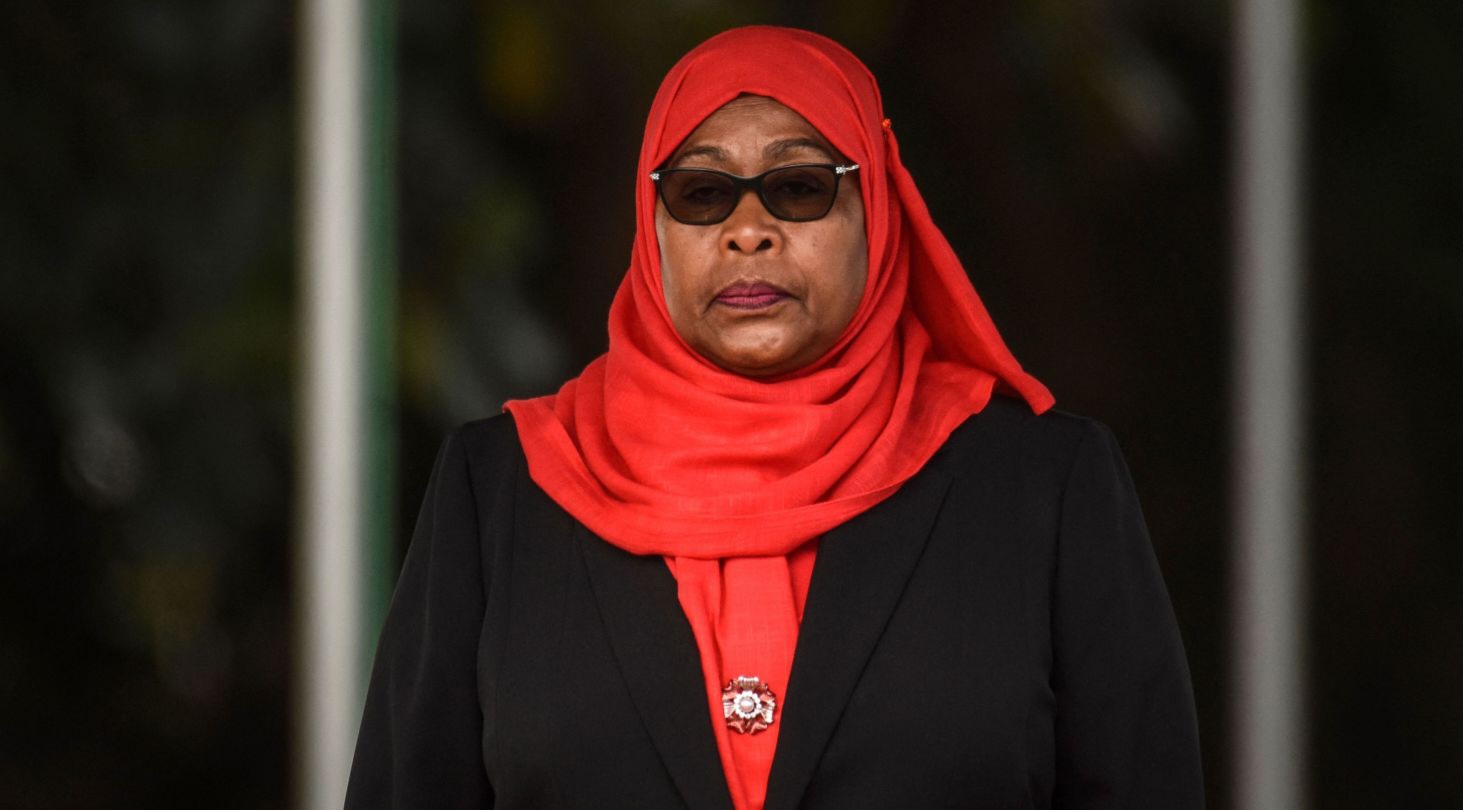
The Tanzanian elections, held on Wednesday, October 29, were expected to be uneventful. The vote was carefully controlled by President Samia Suluhu Hassan, head of the all-powerful ruling party, Chama Cha Mapinduzi (CCM). The opposition was either absent or nearly so.
Tundu Lissu, leader of the main opposition party Chadema, was imprisoned and tried for treason. Luhaga Mpina, candidate for the only other significant party, ACT Wazalendo, was disqualified for procedural reasons. Repression, which had been increasing for several years, intensified further, with NGOs and civil society condemning intimidation, abductions and disappearances. On the eve of the vote, the army deployed tanks around Dar es Salaam, the economic capital.
But none of these precautions were enough to contain the anger of part of the Tanzanian population. While the election was still underway, violent protests broke out in the largest city on the Indian Ocean coast. Hundreds of people, mostly youths, shouted their opposition to the CCM, the party that has ruled Tanzania continuously for years.
The Tanzanian government, had intensified political repression, suppressed political opposition and critics of the ruling party, stifled the media, and failed to ensure the electoral commission’s independence in the lead up to the elections.
Tanzania’s main opposition party, Chama Cha Demokrasia na Maendeleo (Chadema), had urged its supporters not to participate in the elections and instead take to the streets to voice their concerns.
The protests, some of which were violent, erupted on election day and continued over three days in Dar es Salaam and other cities. Police responded with tear gas and live ammunition to disperse crowds. The government imposed nationwide internet restrictions on October 29, and multiple internet monitoring organizations confirmed that internet connectivity had been disrupted.
From the evening of October 29 until November 3, the government imposed a 24-hour lockdown, ordering all residents to stay at home.
On November 1, Tanzania’s electoral body, the Independent National Electoral Commission, announced that the incumbent president, Samia Suluhu Hassan, won the election with 97.66 percent of the vote. She was sworn in on November 3 for a second term at a ceremony closed to the public amid continuing protests.
Days after the protests, Tanzanians are yet to come to terms with the loss of lives and continued crackdown on dissent. Hundreds are reported to have lost their lives, with the government yet to issue any official statement on the figure. Others, majority youths, are facing trumped-up treason charges.
According to court records, nearly 340 people have been detained across seven towns, with the largest numbers in Dar es Salaam and Iringa. Of these, 302 are facing treason charges, the gravest offence in Tanzania, which can carry the death penalty. Under the law, a person commits treason if they attempt to kill the president or wage war against the country, whether inside or outside national borders. Those charged include politicians, business owners, local celebrities, farmers, and social media personalities.
Addressing parliament on Friday, Hassan instructed the police and security forces to be lenient with young protesters who only “followed the crowd”.
“I realise that many youths who were arrested and charged with treason did not know what they were doing. As the mother of this nation, I direct the law enforcement agencies, and especially the office of the director of police, to look at the level of offences committed by our youths. For those who seem to have followed the crowd and did not intend to commit a crime, let them erase their mistakes,” she said.
At the same time, the President revealed that an inquiry commission was being formed to investigate the killings that occurred during the election. She expressed her condolences to families who lost their loved ones, pledging to get to the bottom of the matter.
“I am deeply saddened by the incident. I offer my condolences to all the families who lost their loved ones. The government has taken the step of forming an inquiry commission to investigate what happened,” she said in her inaugural speech to parliament.