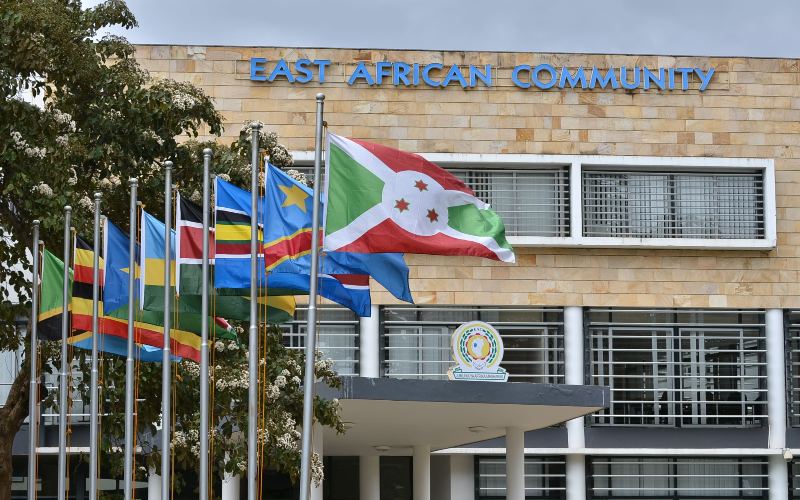
The East African Community (EAC) has postponed its Heads of State Summit, originally scheduled for later this month, to an unspecified date in January, according to a senior official in Arusha, Tanzania, with no formal explanation offered.
The meeting was to be held in Nairobi, with Kenya currently chairing the bloc, a rotating one-year position it assumed from South Sudan in late 2024.
Nairobi is expected to hand the gavel to Somalia, which has been serving as rapporteur and is next in line for the chairmanship.
The postponement comes at a delicate moment for the seven-member bloc, whose cohesion has been tested by overlapping political and security crises.
South Sudan, still the EAC's most fragile member, is once again in turmoil following the arrest of Riek Machar, the former First Vice President, whose detention has renewed concerns about Juba's shaky peace settlement.
To the west, Rwanda and the Democratic Republic of Congo (DRC) continue their acrimonious feud over the M23 rebellion in eastern Congo.
Just this week, President Paul Kagame delivered a scathing critique of the Democratic Republic of Congo (DRC) government and the international community, dismissing diplomatic sanctions against Kigali as a distraction from Kinshasa's deep-seated failures in governance and security.
Speaking at a press briefing at Urugwira Village, President Kagame forcefully challenged the narrative that blames Rwanda for the instability in the Eastern DRC, redirecting accountability toward Congolese leadership.
"If you sanction Rwanda, how does it solve your problem? How does it solve the mismanagement of your country's affairs?" he questioned, directly addressing the logic of diplomatic pressure.

While acknowledging diplomatic efforts, including the U.S.-brokered Washington agreement aimed at neutralising armed groups like the FDLR (Democratic Forces for the Liberation of Rwanda), Kagame argued that these processes are fundamentally flawed due to a lack of genuine commitment from the DRC.
He stated that peace cannot be achieved if parties involved refuse to take ownership of the crisis:
"Until those people concerned directly, really themselves want and commit to achieving the end result, which is stability, peace and security, even the most powerful will remain wondering which way to go or frustrated," Kagame asserted.
Kigali and Kinshasa have traded increasingly hostile rhetoric in recent weeks, raising fears of escalation just as the EAC grapples with the future of its failed regional military mission in the DRC.
Tanzania, meanwhile, is emerging from its own storm. The fiercely contested October presidential election, which returned Samia Suluhu Hassan to office with overwhelming margins, drew criticism at home and abroad and triggered sporadic unrest.
Wearing her usual tinted sunglasses and with her nose buried in her notes, Samia Suluhu Hassan was sworn in as Tanzania’s president for the second time. Speaking before an audience of soldiers and politicians in a closed-door ceremony, “Mama Samia” – as her supporters affectionately call her – stressed the need for “unity and solidarity”.
The words seemed apt for the moment – in the five days leading up to her inauguration, unprecedented protests against her government shook the country and left potentially hundreds of people dead.
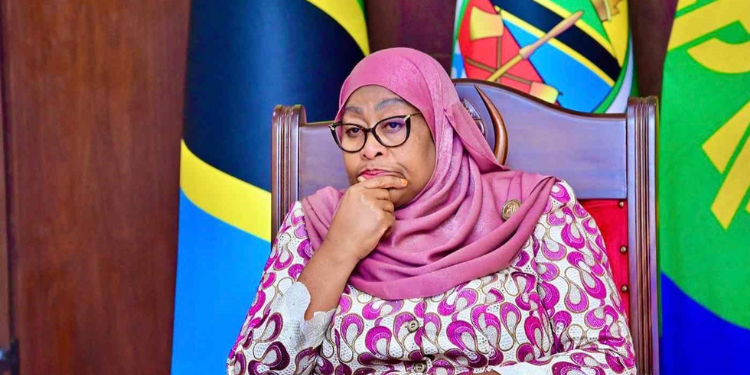
The country’s two main opposition leaders were both prevented from running, having been jailed and the other disqualified in the lead-up to the vote. Opposition groups estimated that 700 were killed in electoral violence while government authorities downplayed the unrest, blaming “criminals” for what they called “isolated incidents”.
Suluhu, continues to face pressure from Human Rights Groups and Internal Organisations as calls for sanctions intensify.
Meanwhile, these political-tensions are believed to be behind EAC meet postponement.
The EAC's decision-making relies heavily on quorum and consensus, both difficult to achieve when members are preoccupied with domestic turbulence or locked in disputes with one another.
Diplomatic insiders say the Nairobi summit risked becoming hostage to unresolved tensions, particularly over regional security, trade disputes, and the contentious question of Somalia's full integration into EAC structures.