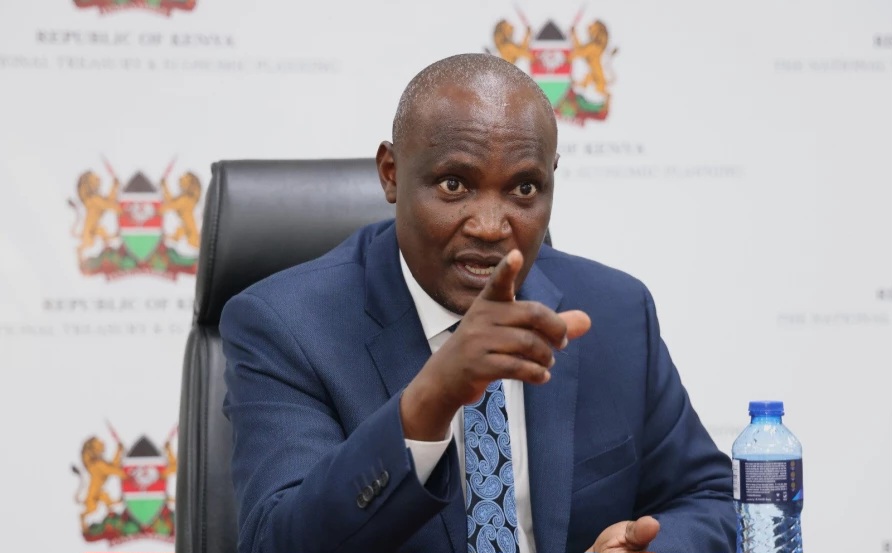
In a move set to deepen the fissures within the Orange Democratic Movement (ODM), Treasury Cabinet Secretary John Mbadi has delivered a blunt ultimatum to wavering party members, declaring that the 2027 presidential race is a foregone conclusion. His message was clear: the party must strategically align with President William Ruto for its own survival, or ship out.
This declaration is the loudest signal yet of the profound identity crisis gripping ODM, Kenya's long-standing opposition force, as it navigates a political landscape without its iconic leader, the late Raila Odinga. For the average Kenyan, this internal power struggle is not just political theatre; it shapes the stability of the nation's politics and the choices they will face at the ballot box, ultimately impacting economic certainty and future governance.
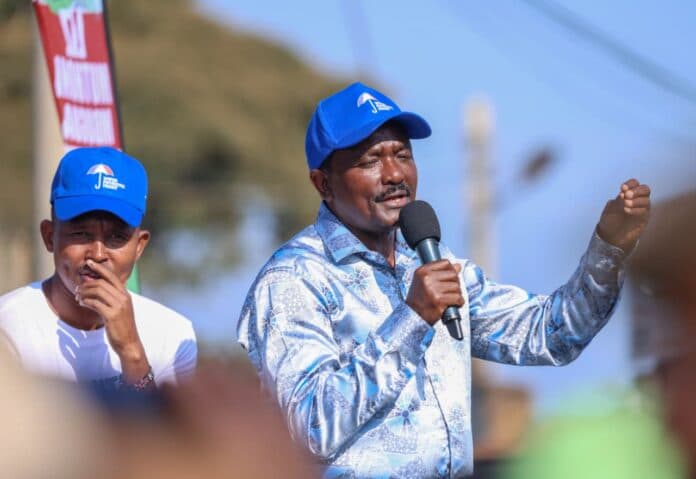
Speaking in Kabondo Kasipul Constituency, the former ODM chairperson minced no words, arguing that the party's focus should be on positioning itself for 2032, not on a futile 2027 challenge.
“We must strategise, we must be tactful, we must form alliances which make sense... The president of 2027 is already decided,” Mbadi stated emphatically. He dismissed any notion of a new candidate emerging to successfully challenge the incumbent as a “lie.”
A Party at a Crossroads
Mbadi’s hardline stance exposes the deep divisions within ODM. One faction, which includes leaders serving in President Ruto's administration, advocates for continued cooperation with the government. Conversely, another influential camp, reportedly including Secretary-General Edwin Sifuna and other figures, is adamant that the party must field its own presidential candidate and remain a formidable opposition force.
The Treasury CS directly challenged those uncomfortable with the Ruto partnership to make their allegiance known. He framed the choice as a binary one: stand firmly with the sitting president or align with a potential opposition alliance. This comes amidst a broader realignment in Kenyan politics following Odinga's death, which has created a power vacuum and forced his former allies to weigh their options for political survival.
Analysts note that this turbulence is a natural consequence of a dominant leader's exit. Mbadi himself has previously characterized the transition as a “big tree falling,” inevitably shaking the ecosystem. The key figures now shaping the party's direction include interim leader Dr. Oburu Oginga, who Mbadi insists will ultimately announce the path forward for 2027.
Implications for the Kenyan Voter
For ordinary citizens, the turmoil within ODM has tangible consequences. A fractured opposition could lead to a less competitive 2027 election, potentially weakening democratic accountability. The key questions this raises for every household are:
Will a weakened opposition be able to effectively check government power and advocate for citizens' interests regarding the cost of living?
How will these high-level political realignments translate into development projects and resource allocation for their communities?
Does this shift signal a move away from personality-based politics towards more issue-focused leadership?
While some ODM leaders have pledged loyalty to President Ruto's government, citing it as the wish of their late leader, this position is not universally accepted within the party's ranks. This internal contradiction leaves voters and party supporters in a state of confusion about the party's core values and direction. As the 2027 election cycle draws nearer, the resolution of this internal conflict will not only determine the fate of ODM but will fundamentally reshape Kenya's political landscape.