Uganda has partially restored internet connections in the country, days after a government enforced suspension citing security concerns and alleged election disruption that left millions of users in the dark.
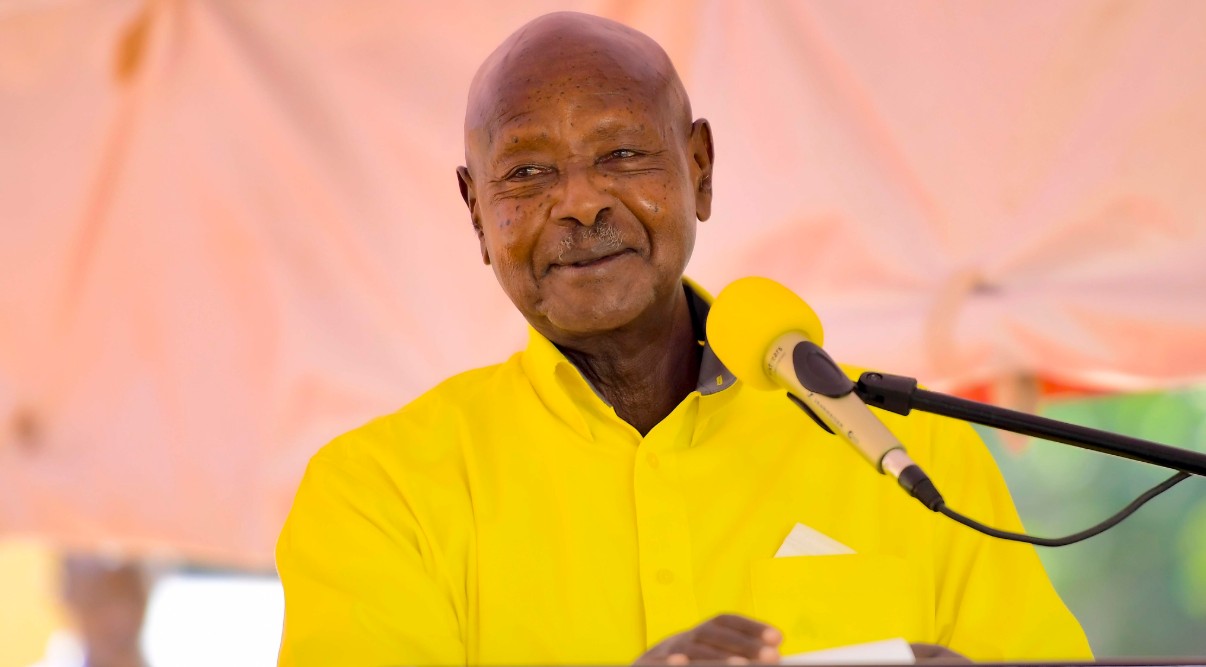
The East African Country said Sunday it would maintain a ban on social media platforms while lifting the nationwide internet block hours after longtime ruler Yoweri Museveni was declared the winner of national elections.
Uganda has been without public internet since the Uganda Communications Commission (UCC) ordered mobile operators and internet providers to suspend services two days before the January 15 elections.
In a letter, the UCC cited the need to curb “misinformation, disinformation, electoral fraud and related risks” and acknowledged operational challenges imposed by the directive.
However, speaking on Saturday, Uganda Minister of State for Youth and Children Affairs, Balaam Barugahara, offered a different account of the blackout.
Referring first to the UCC explanation, he said, “Internet, initially, UCC said they had switched off, probably for security reasons.”
He then cited reports from his own sources stating, “The latest I’m getting from my friends in Mombasa is that a ship was passing by, it hit an internet cable in two, so they are trying to locate the other piece to connect it.”
He added, “That is information we cannot justify right now, but because the UCC did release a letter that all Ugandans are actually following right now.”
Barugahara assured viewers that service would soon be restored, linking the restoration to President Museveni’s leadership.
“That is okay, the internet will be reinstated. The person who brought internet is the person you have voted. Did you have internet in 1986? Did your mother tell you that they had internet? But it was a country not running. Let us trust in the president. The one who brought it will restore it. He’s working around the clock, our technicians are working closely,” he said.
He added that technicians were focusing on repairing the alleged cable damage.
“Our people who work in that telecom sector, we know that the cable was affected, and they are restoring it, they are fixing it. You know, the problem with you young people, you’re wasting a lot of time on TikTok, instead of listening to the message of the president,” he said.
However, no official confirmation has come from the UCC or Kenyan authorities regarding the alleged ship incident. While submarine cable faults have affected East African internet in the past, the current blackout followed the UCC directive issued ahead of the election.
George Nyombi Thembo, executive director of Uganda Communications Commission (UCC), in a statement on Sunday, confirmed to Julisha.co.ke the return of most of the internet while justifying the days-long suspension as “necessary and proportionate.”
“Social media platforms… remain temporarily restricted to continue safeguarding against misuse that could threaten public order,” said George.
Rights groups, including Amnesty International and Human Rights Watch, have criticised the shutdown as a violation of rights that undermined election transparency.
President Museveni, 81, Africa’s third-longest ruling leader, was declared winner of a seventh term, securing 71.65 per cent of votes. He defeated opposition leader Bobi Wine, 43, who received 24.72 per cent.
Museveni, in power since 1986, has removed age and term limits and dominates Ugandan institutions, leaving little prospect of electoral upset.
Bobi Wine claimed on social media that “massive ballot stuffing” occurred, and a party spokesman called the results “a sham.” Wine revealed he had escaped a police and army raid on his home.
Meanwhile, the UCC chief says the internet cut was to “prevent the rapid spread of misinformation, disinformation, and malinformation, to curb potential electoral fraud, and protect against incitement to violence during a highly sensitive national period,”.
Thembo declined to say when full access would be restored, telling our reporter, “I don’t want to put an estimate. We are a reasonable agency. We are a reasonable government. We don’t expect this to exceed a reasonable time that will mitigate the risk that we are seeing,”.