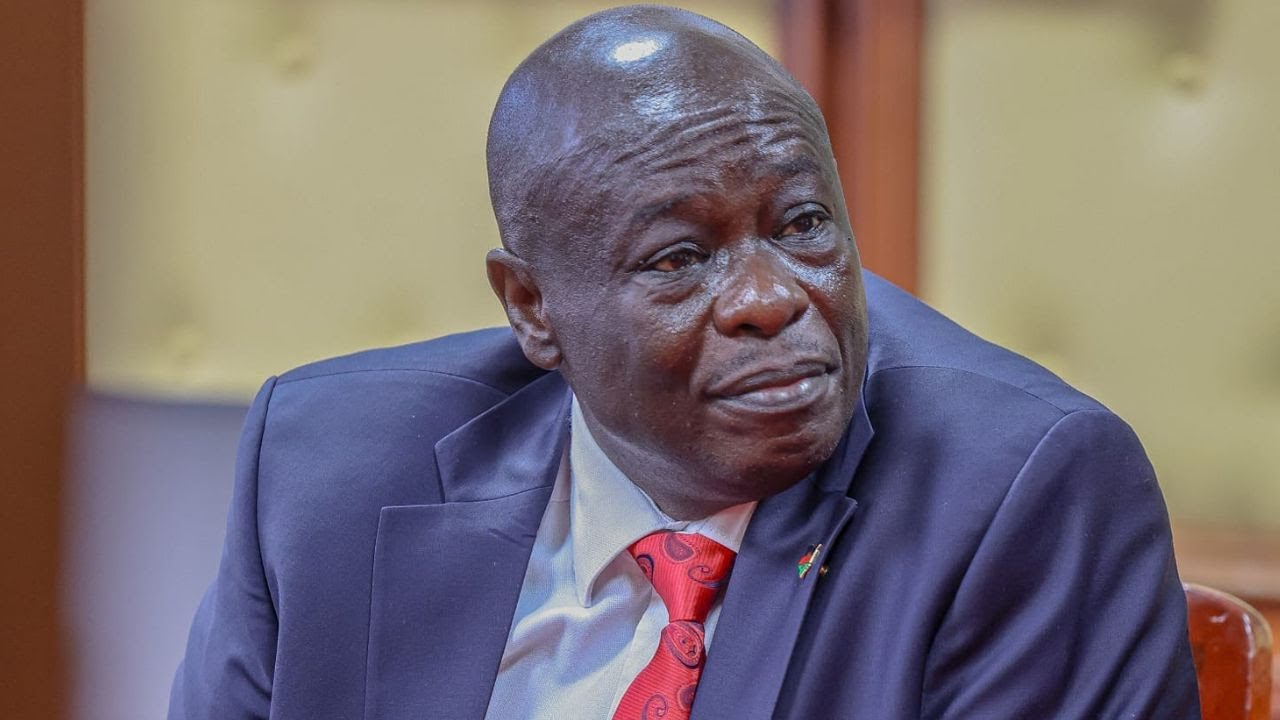
The Supreme Court has dismissed two consolidated applications filed by Rigathi Gachagua and the National Assembly, in a long-running legal dispute arising from the impeachment proceedings against the former Deputy President over the empanelment of a High Court bench to hear related petitions.
In a ruling delivered on January 30, 2026, the apex court led by Chief Justice Martha Koome, "declined to grant the orders sought by either party, holding that the applications did not meet the legal threshold for summary dismissal or intervention."
The dispute stems from October 2024, following Gachagua’s impeachment by the National Assembly. After the impeachment, multiple petitions were filed in the High Court across the country by different parties, including Gachagua, challenging various aspects of the parliamentary process.
The petitions raised significant constitutional questions, including the legality of the impeachment proceedings and the roles of different constitutional offices.
Due to the constitutional weight of the issues raised, the petitions were referred to the Chief Justice under Article 165(4) of the Constitution for the empanelment of a special bench.
On October 14, 2024, the Chief Justice constituted a three-judge bench to hear the first cluster of six petitions and also considered applications seeking to stop the Senate from proceeding with the impeachment process.
As political and legal events continued to unfold, a second cluster of petitions was filed. These included new cases by Gachagua and others seeking to block the Senate’s confirmation of the impeachment and to prevent the swearing-in of Prof. Kithure Kindiki as Deputy President.
At the time, the Chief Justice was away, and the Deputy Chief Justice empanelled the same three-judge bench to hear the additional petitions. That decision became the subject of fresh litigation.
Gachagua challenged the Deputy Chief Justice’s authority to empanel the bench, arguing that the power lies exclusively with the Chief Justice. He also filed a separate application seeking the recusal of all three judges on grounds of alleged bias and conflict of interest.
In rulings delivered on October 23 and October 25, 2024, the High Court dismissed both challenges.
The court held that the "assignment of judges is an administrative function that the Chief Justice may delegate and that the Deputy Chief Justice could lawfully exercise that power in the Chief Justice’s absence. The judges also found no factual or legal basis to justify their recusal."
The matter then moved to the Court of Appeal through two consolidated appeals. The appellate court upheld the High Court’s decision on recusal, agreeing that the evidence presented did not warrant the judges’ disqualification.
However, it differed on the question of empanelment, ruling that the power to constitute High Court benches belongs exclusively to the Chief Justice and is not a delegable administrative function, except in clearly demonstrated exceptional circumstances.
That finding prompted the National Assembly to file an appeal before the Supreme Court, challenging the Court of Appeal’s interpretation of the law.
Gachagua also lodged a cross-appeal, although the Supreme Court clarified that the issue before it concerns only the question of empanelment and not the impeachment proceedings themselves, which remain pending before the High Court.
Before the Supreme Court, Gachagua filed an omnibus application seeking to stay proceedings in the High Court, strike out the National Assembly’s appeal, and expunge certain documents from the record.
The National Assembly, in turn, sought to strike out Gachagua’s notice of cross-appeal.
In dismissing both applications, the Supreme Court held that "it could only stay proceedings before the Court of Appeal and not the High Court, and that the appeal raised substantive issues requiring full determination on merit."
The court also ruled that the documents challenged by Gachagua were central to the dispute and had been relied upon by both the High Court and the Court of Appeal.
As a result, the Supreme Court dismissed both applications, paving the way for the substantive appeal on the empanelment question to proceed.