The Director of Public Prosecutions (DPP) has criticised the Independent Policing Oversight Authority (IPOA) and the Directorate of Criminal Investigations (DCI) for failing to submit investigation reports on several high-profile police-related incidents. He said this delay is leaving cases involving police officers unresolved and justice deferred.
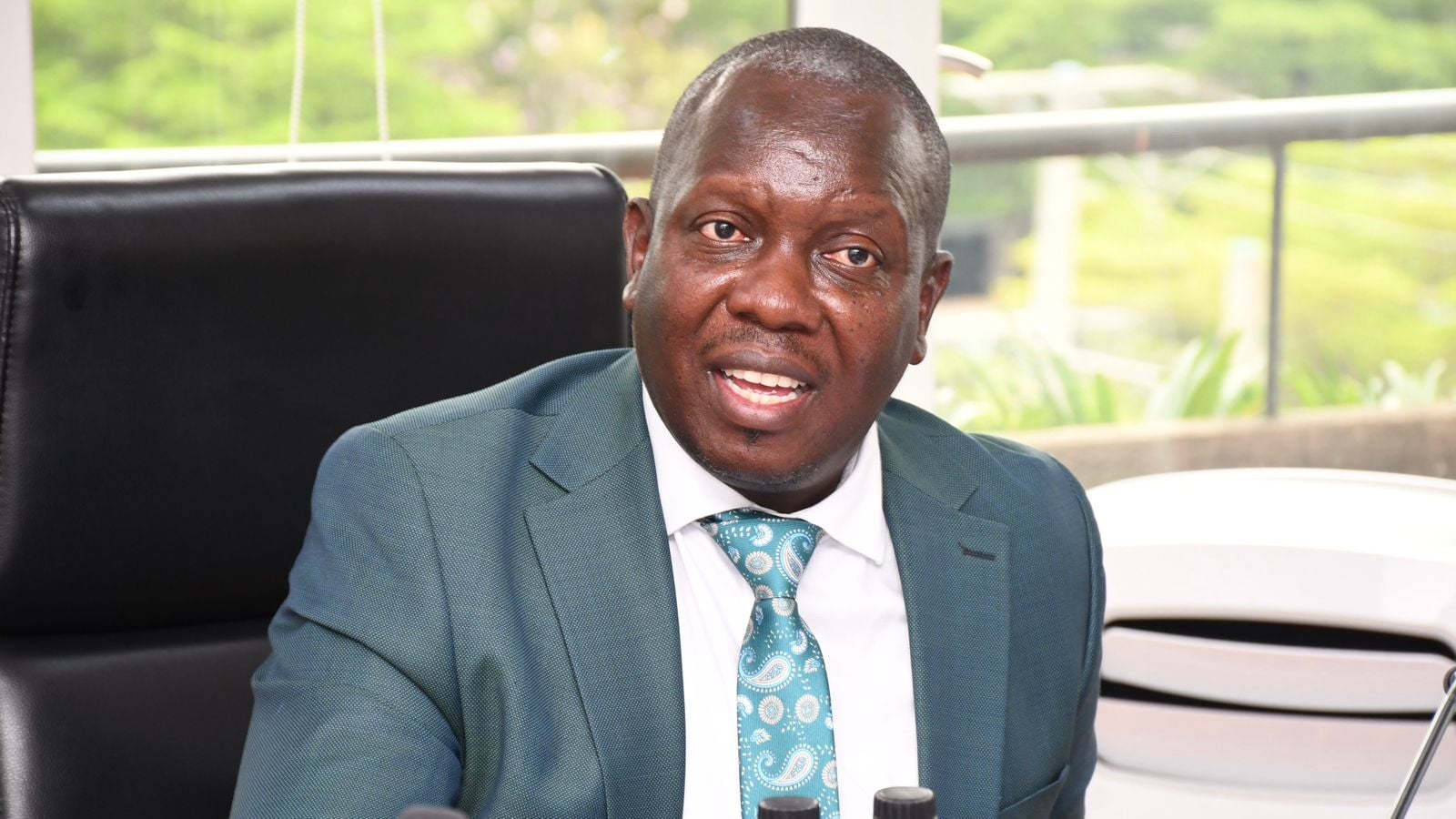
Speaking on Monday during the launch of the Counter Terrorism and Counter Financing of Terrorism (CT/CFT) Curriculum, DPP Renson Ingonga emphasised that no action can be taken against rogue officers unless investigative agencies submit their reports on time.
Ingonga urged the media to help Kenyans understand the distinct roles of investigative and prosecutorial agencies, stressing that the DPP’s office can only act once investigations are complete.
“Kenyans often do not understand the roles of these institutions. You must tell them that all DPPs are only the tail end of the process. Unless investigations are completed, the DPP cannot do much. That is why, when an incident happens, some people say ‘the DPP’ instead of the investigative agency responsible, which varies depending on the activity,” he said.
“Once an investigation highlights a matter, it is up to us to act. It is not enough for an incident to occur and assume prosecution will follow. Investigations and evidence collection are what guide the DPP to court.”
He stressed that prosecutions cannot proceed without thorough investigations and legally sufficient evidence, and that the rights of all parties, including suspects, must be protected throughout the process.
“If the evidence does not meet legal standards, we do not proceed simply for the sake of prosecution. We must also protect the rights of all, including suspects,” Ingonga said.
The launch of the CT/CFT curriculum marks a significant step in strengthening Kenya’s fight against terrorism and transnational organised crime. Ingonga described the framework as a landmark achievement for the ODPP and the wider criminal justice sector, aimed at equipping prosecutors with specialised knowledge and practical skills to investigate and prosecute terrorism-related offences effectively.
“The significance of this occasion cannot be overstated. It demonstrates our resolve to ensure that prosecutors are fully equipped with the tools necessary to dismantle terrorist networks and hold perpetrators accountable,” he said, noting that lessons from complex cases, including the DusitD2 terror attack and a bio-terrorism plot involving anthrax, informed the curriculum.
The curriculum will be integrated into training at the Prosecution Training Institute, preparing the next generation of prosecutors for high-stakes terrorism litigation.
Ingonga highlighted the support of international partners, including the British High Commission, the United States Department of Justice, OPDAT, and the International Institute for Justice and the Rule of Law.
He emphasised that international cooperation is vital in handling terrorism cases, particularly in accessing digital and financial evidence through Mutual Legal Assistance mechanisms.
The curriculum provides specialised training in digital evidence management, cybercrime, cryptocurrency, and decentralised finance platforms, addressing emerging avenues terrorists use for funding and recruitment.
“The curriculum also focuses on understanding the financial engine of terrorism, including illicit trafficking of arms, persons, drugs, and cultural property; environmental crimes like illegal mining, timber, charcoal and wildlife exploitation; and the collection of ‘protection fees’ in conflict zones. Disrupting these streams is key to dismantling terror networks,” Ingonga explained.
The DPP noted that Kenya’s strategic location in East Africa and porous borders make the country vulnerable to terrorism-financed cross-border crime.
He said the curriculum aligns with international legal frameworks, including the International Convention for the Suppression of the Financing of Terrorism and relevant UN Security Council resolutions.
Ingonga also highlighted the importance of specialised judicial infrastructure, citing the Kahawa Law Courts, dedicated to Counter-Terrorism and Transnational Organised Crime cases, and stressed the need for victim support and trauma-informed practices for prosecutors exposed to disturbing evidence.
“With these remarks, it is my distinct honour to officially launch the Counter-Terrorism and Countering the Financing of Terrorism Curriculum Manual,” he said, reaffirming Kenya’s commitment to a strengthened legal and institutional response to terrorism and transnational organised crime.