The global economic architecture is bracing for severe tremors as Downing Street issues a stark warning over new United States trade tariffs, a move that could disproportionately shatter supply chains and currency valuations.
The spectre of the devastating global trade war that has re-emerged with terrifying clarity, follows Washington's controversial imposition of a blanket 15% tariff on all international imports. It all began at the U.S Supreme Court.
The Supreme Court delivered a sweeping 6-3 rebuke to Trump on February 20, 2026, ruling that he had exceeded his constitutional authority by using the 1977 International Emergency Economic Powers Act (IEEPA) to impose sweeping import tariffs on virtually all of America’s trading partners.
The ruling, which invalidates a significant portion of the administration’s tariff agenda, declared that the IEEPA statute was designed to regulate imports rather than to levy tariffs, a power that the Court asserted must be explicitly defined by U.S. Congress.
While the immediate analysis focuses on the Sh17.17 trillion ($133.5 billion) in tariff revenues now hanging in the balance and the potential refunds owed to U.S. companies, Trump moved swiftly calling out the Supreme court and responding through an executive order.
Responding to the high court's ruling on Friday, Trump imposed a "global" tariff under Section 122 of the Trade Act of 1974. That statute allows the president to impose tariffs of up to 15% for up to 150 days to address trade deficits. After 150 days, Congress would need to approve any extension. That authority, however, has never been used to impose tariffs.
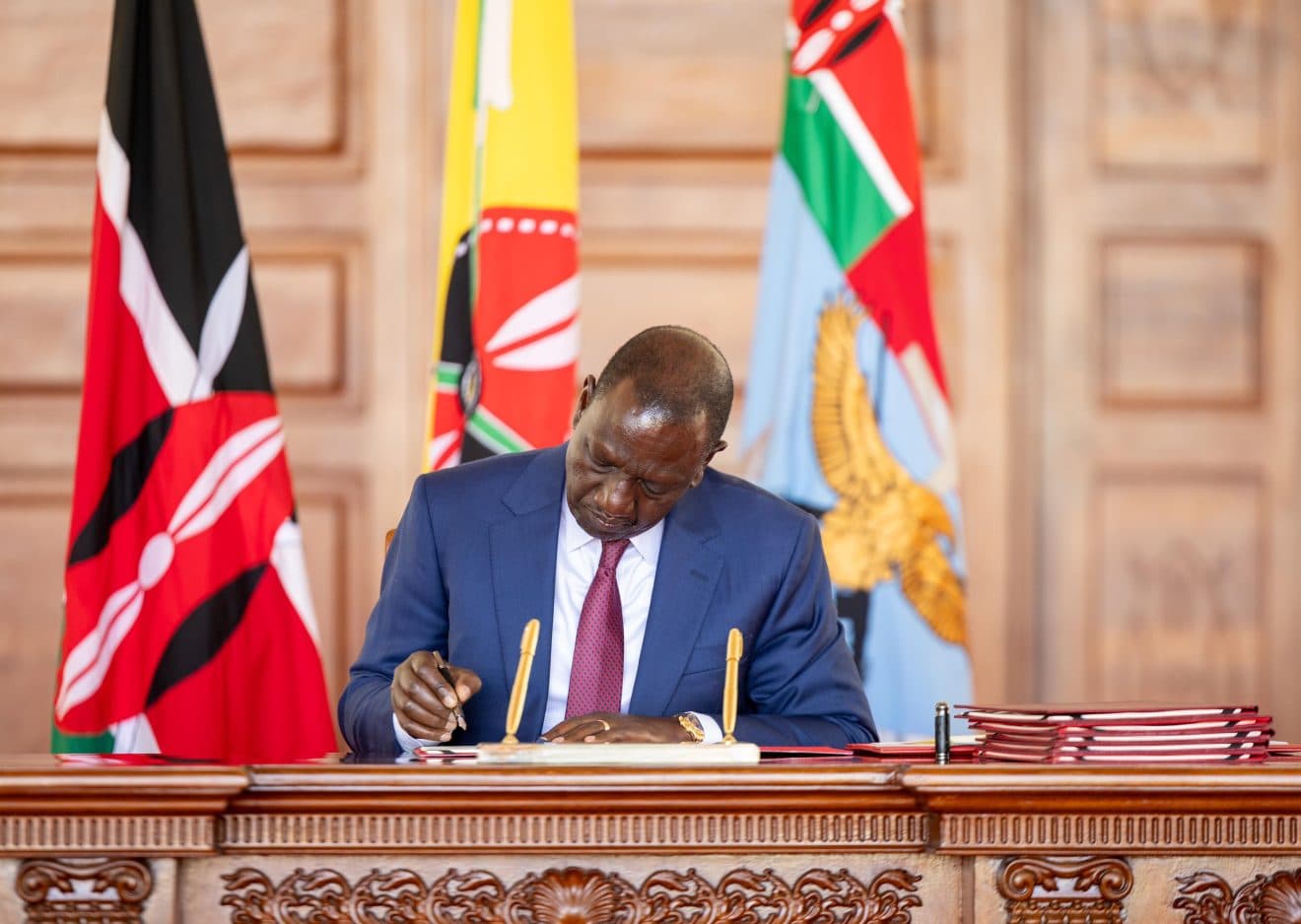
The president signed an executive order late Friday imposing the 10% tariffs under Section 122. Then on Saturday, he raised the levy to 15%.
The sudden pivot by President Trump has left historic allies scrambling for a coherent response. Initially anticipating an agreed 10% levy, the UK government now finds itself staring down the barrel of a 15% punitive measure.
Britain had enjoyed a relatively lower reciprocal tariff rate at 10% compared to other countries - giving it a competitive advantage - but Trump's promise to reimpose them at 15% for all nations means businesses may now face even higher duties. The UK will see the largest increase as a result, followed by Italy and Singapore, according to Global Trade Alert, while Brazil, China and India stand to benefit the most.
UK officials are now anxiously trying to persuade the US administration to exempt it from the higher rate. The British Chambers of Commerce estimates that it will raise the cost on UK exports to the US by as much as $4 billion and will impact 40,000 British companies.
"We are having conversations at the highest levels to make sure that what we regard as being in our national interest is heard loud and clear with our American counterparts," cabinet minister Bridget Phillipson told the press.
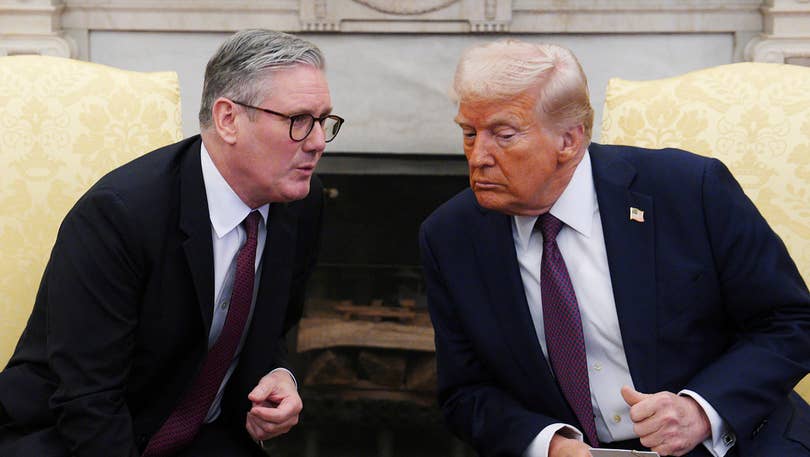
The UK has already expended significant diplomatic capital to extract preferential treatment from the White House. And last month, Prime Minister Keir Starmer helped persuade Trump to walk back his threat to impose higher tariffs on Europe in retaliation for the continent's support for Denmark and Greenland.
The so-called "special relationship" between the two nations was strained further last week when Trump lashed out against the UK's deal to hand over sovereignty of the Chagos Islands to Mauritius. That appeared again in retaliation for Britain holding off on giving him permission to use the archipelago's Diego Garcia military base for a possible strike on Iran.
Trump and his team are also likely to be distracted by the setback to the tariff regime, which due to lower rates now set to apply to countries like India and Indonesia, means the US has "lost quite a bit of tariff revenue,".
In the wake of the uncertainty and as negotiations continue, British officials have emphatically stated that "nothing is off the table," signalling a high probability of reciprocal trade barriers. Elsewhere, the European Parliament’s trade committee postponed a committee vote on ratification after Trump said he would impose the new tariff as frustrated officials pushed for clarification.
Although the Supreme Court decision did not directly affect bilateral deals, they were negotiated using threats of imposing the now-invalidated tariffs as leverage. However re-opening those deals could backfire because Trump has made clear he will pursue tariffs under other laws than the one the Supreme Court said he could not apply.
While uncertainty hits European and British companies, it puts pressure on the U.S. economy as well, where consumers and companies pay the tariffs on goods purchased from abroad.