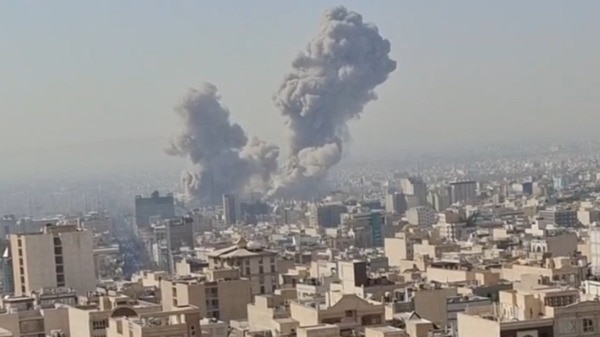
The United States and Israel executed coordinated, massive preemptive military strikes across multiple Iranian cities early Saturday morning, drastically escalating Middle Eastern tensions and sending immediate shockwaves through global financial markets.
The daylight attacks, described as "major combat operations" by US President Donald Trump, directly targeted Iran's nuclear infrastructure and ballistic missile facilities, with heavy explosions rocking central Tehran.
This unprecedented military intervention marks the total collapse of diplomatic negotiations regarding Tehran's nuclear dispute with the West. For East Africa, the fallout is imminent and severe; a destabilized Middle East threatens to severely disrupt global oil supply chains, potentially triggering a catastrophic spike in pump prices and localized inflation across Kenya.
The Architecture of Operation Lion's Roar
Dubbed 'Operation Lion's Roar' by Israeli defense forces, the strikes were the culmination of months of meticulous joint planning. Utilizing overwhelming air superiority and naval assets recently deployed to the region, the coalition systematically neutralized key military installations. The timing of the strikes—carried out during daylight hours—was explicitly designed to maximize structural damage while overwhelming Iranian defense systems.
Reports from the ground indicate severe impacts near the offices associated with Supreme Leader Ayatollah Ali Khamenei, though state media confirmed he had been relocated prior to the bombardment. In response, Iranian authorities immediately shuttered civilian airspace and vowed a "crushing retaliation," raising the specter of a prolonged, multi-front regional war.
Global Economic Fallout and the East African Impact
The geopolitical tremor of these strikes extends far beyond the immediate conflict zone. Global energy markets reacted instantaneously, pricing in the immense risk of a blocked Strait of Hormuz. For a heavily import-reliant economy like Kenya's, the consequences are stark.
Fuel price surge: Crude oil spikes could force local pump prices drastically upward, directly impacting the cost of living and manufacturing.
Currency devaluation: Heightened global anxiety typically triggers capital flight to the US Dollar, placing further downward pressure on the Kenyan Shilling (KES).
Supply chain logistics: Disruptions in vital shipping lanes will increase freight costs for essential agricultural and industrial imports.
A Volatile Geopolitical Horizon
As Israeli citizens brace in air-raid shelters against anticipated Iranian missile reprisals, the international community remains paralyzed. The US administration's explicit call for an Iranian civilian uprising against their government underscores a strategic pivot from containment to active regime change.
This aggressive posturing leaves developing nations vulnerable to the collateral economic damage, requiring urgent fiscal contingency planning by the Kenyan exchequer to cushion its citizens from the impending global economic turbulence.
"The hour of your freedom is at hand," President Trump broadcasted, a chilling declaration that guarantees the world will face a prolonged period of violent, unpredictable instability.