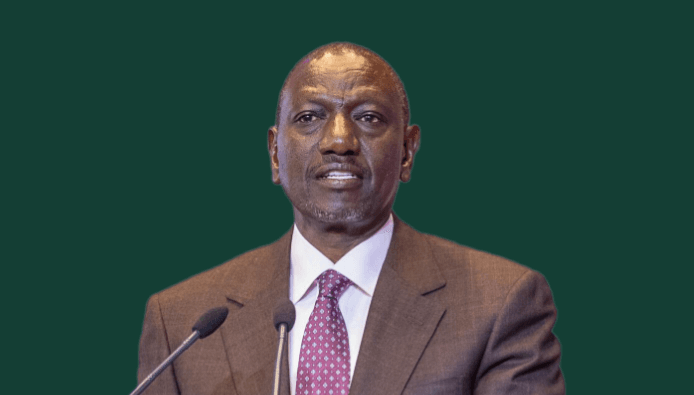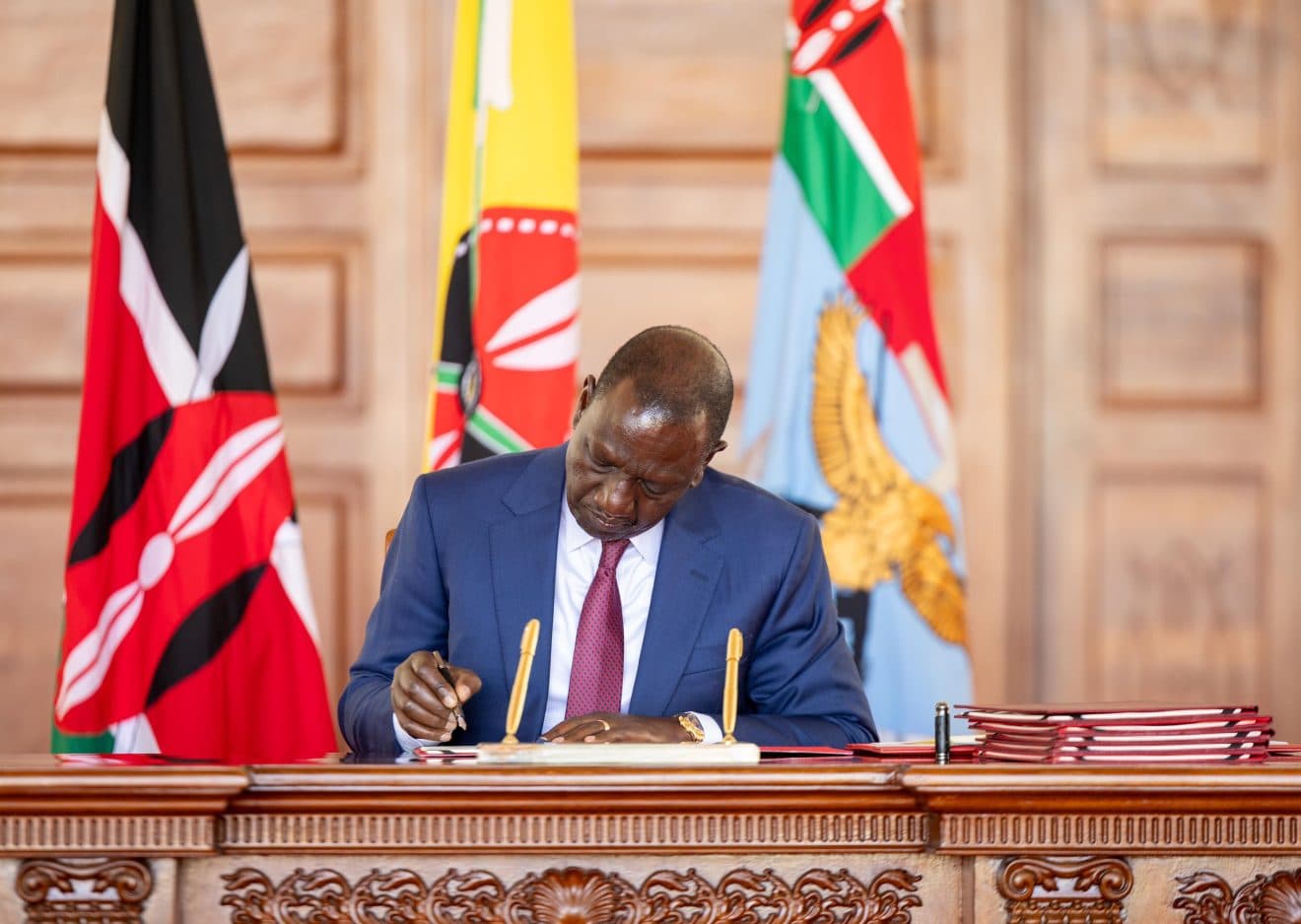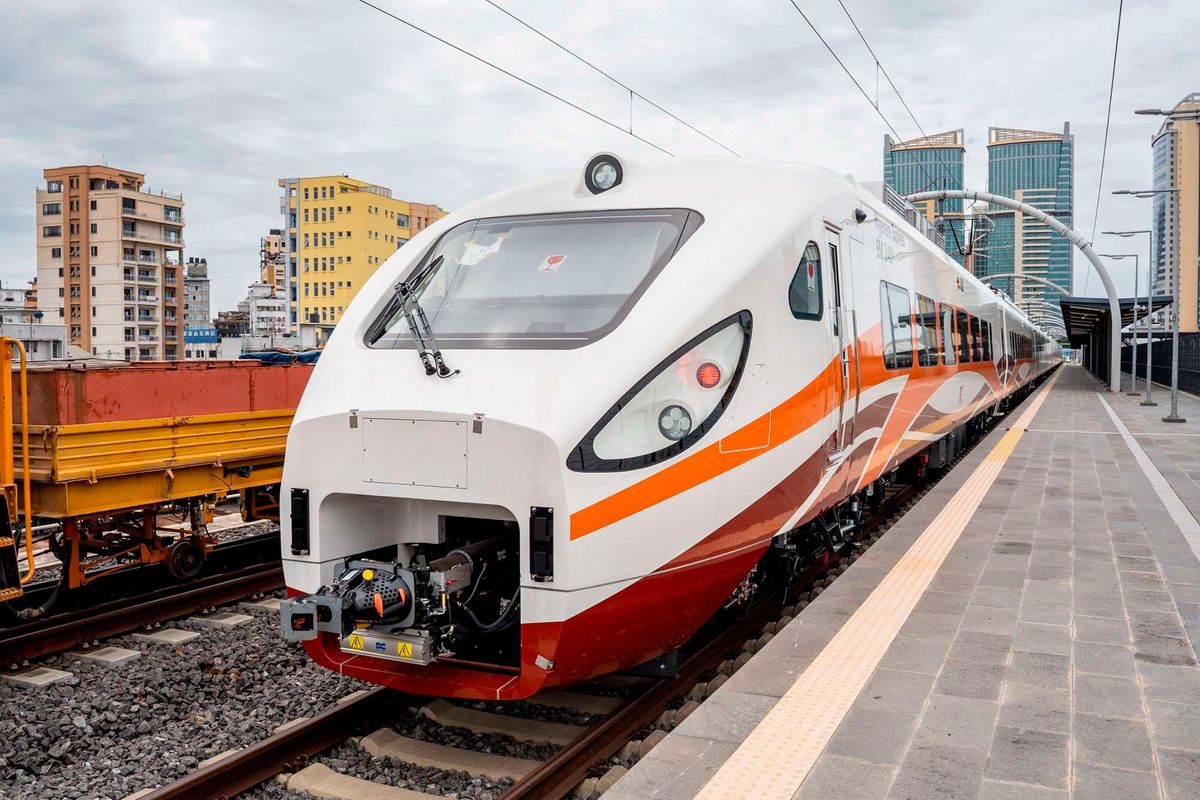
Kenyan President William Ruto has heaped praise on Tanzania’s electrified Standard Gauge Railway, hailing the electric SGR as a catalyst for regional economic integration and logistical efficiency.
The 25th Ordinary Summit of East African Community (EAC) Heads of State, held in Arusha, concluded with a spotlight on transformative infrastructure. Outgoing EAC Chairperson, Kenyan President William Ruto, singled out Tanzania’s Standard Gauge Railway (SGR) as a defining milestone that is reshaping the continent’s connectivity landscape.
The electrified line, which serves as the backbone of Tanzania’s transport sector, is no longer merely a domestic achievement. It is being positioned as a regional economic powerhouse. During his address, President Ruto emphasized that the SGR is doing more than moving passengers; it is fundamentally reducing the cost of doing business in East Africa, a critical step for nations looking to enhance trade within the African Continental Free Trade Area (AfCFTA).
The Anatomy of a Regional Game Changer
The transition from the colonial-era metre gauge railway to a high-speed, electrified SGR represents one of the most ambitious infrastructure overhauls in East Africa’s history. Since the commencement of passenger services between Dar es Salaam and Dodoma in mid-2024, the railway has consistently clocked over 10,000 daily passengers, proving that the demand for efficient, reliable, and affordable transit is vast.
Operational Speed: The electric trains operate at speeds of up to 160km/h, effectively halving travel time between Dar es Salaam and the capital, Dodoma.
Energy Efficiency: By utilizing electric traction, Tanzania is significantly reducing its carbon footprint compared to traditional diesel locomotive reliance.
Economic Connectivity: The rail corridor connects the Indian Ocean port of Dar es Salaam to key economic zones, with future extensions aimed at the Great Lakes region, including Rwanda, Burundi, and the DRC.
The impact of this connectivity cannot be overstated. By drastically lowering the logistics costs that have historically plagued East African supply chains, the SGR is expected to increase the competitiveness of goods manufactured within the bloc. As the rail network expands toward Tabora, Kigoma, and Mwanza, its strategic value increases, effectively turning Tanzania into a central transit hub for the entire EAC.
A Regulatory Tightrope: Balancing Infrastructure and Growth
However, the project is not without its hurdles. Financing such a massive undertaking—estimated at approximately $10 billion (approx. KES 1.3 trillion) across its phases—requires a delicate balance of public debt management and foreign investment. The partnership with international contractors and development finance institutions has been essential in keeping the project on track despite the rainy seasons and construction complexities.
Economists have noted that the real challenge lies in the "last mile" connectivity. As the railway progresses, the government must simultaneously invest in port efficiency, inland container depots, and robust road networks that feed into the rail system. Without this holistic approach, the railway risks being an isolated asset rather than a fully integrated economic system.
President Ruto’s endorsement serves as a strategic signal to the EAC member states. By framing the SGR as an "EAC project" rather than a purely Tanzanian one, the leadership is advocating for a shared vision of prosperity. This regional focus aims to entice further cross-border investment, such as the electric rail agreement between Tanzania and Burundi, which promises to open new markets for landlocked economies.
The Road Ahead
As the construction reaches further into the heart of the country, the standard gauge railway serves as a physical embodiment of the EAC’s commitment to modernization. The project is already shifting the way citizens view regional travel and commerce. What was once a grueling journey characterized by delays and high costs is now becoming a swift, predictable, and sustainable experience.
The EAC bloc stands at a precipice of growth, and infrastructure is the bridge to that future. With the SGR now operational and expanding, the message from the 25th Ordinary Summit is clear: East Africa is open for business, connected by steel and electricity, and moving toward a future where distance is no longer a barrier to prosperity.