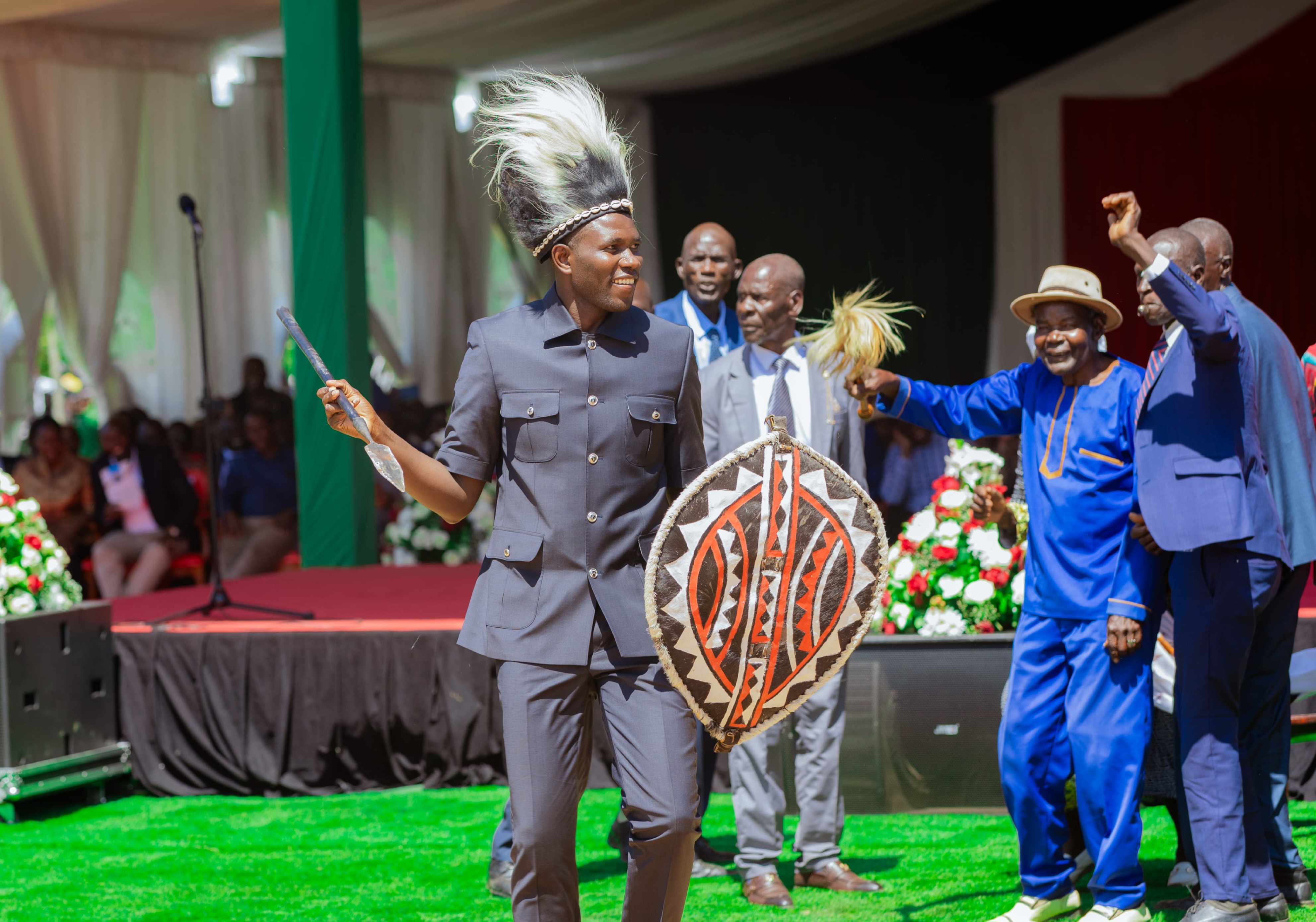
Health Principal Secretary Dr. Ouma Oluga was 'treated to a special fete as Luo and Kalenjin Elders hosted a Thanksgiving ceremony to celebrate his contribution to the country’s health sector and bless his public service endeavours, an indication of societal pride and a country’s acknowledgement of his career, shaped by public service, reform advocacy and a continuing drive to transform Kenya’s healthcare system. A Journey from humble beginnings has mapped into a major transformative leap of public service and is set to expand as Dr. Oluga takes on bigger shoes.
As the Principal Health Secretary, Dr. Oluga has been driven by a believe that an efficient healthcare system can be repurposed as a tool for achieving dignified living for the public. His, is a burning passion of activism for making healthcare work and the conviction that it does not have to be an expensive undertaking costing the public an arm and a leg. An agenda he has tirelessly pushed at Afya House.
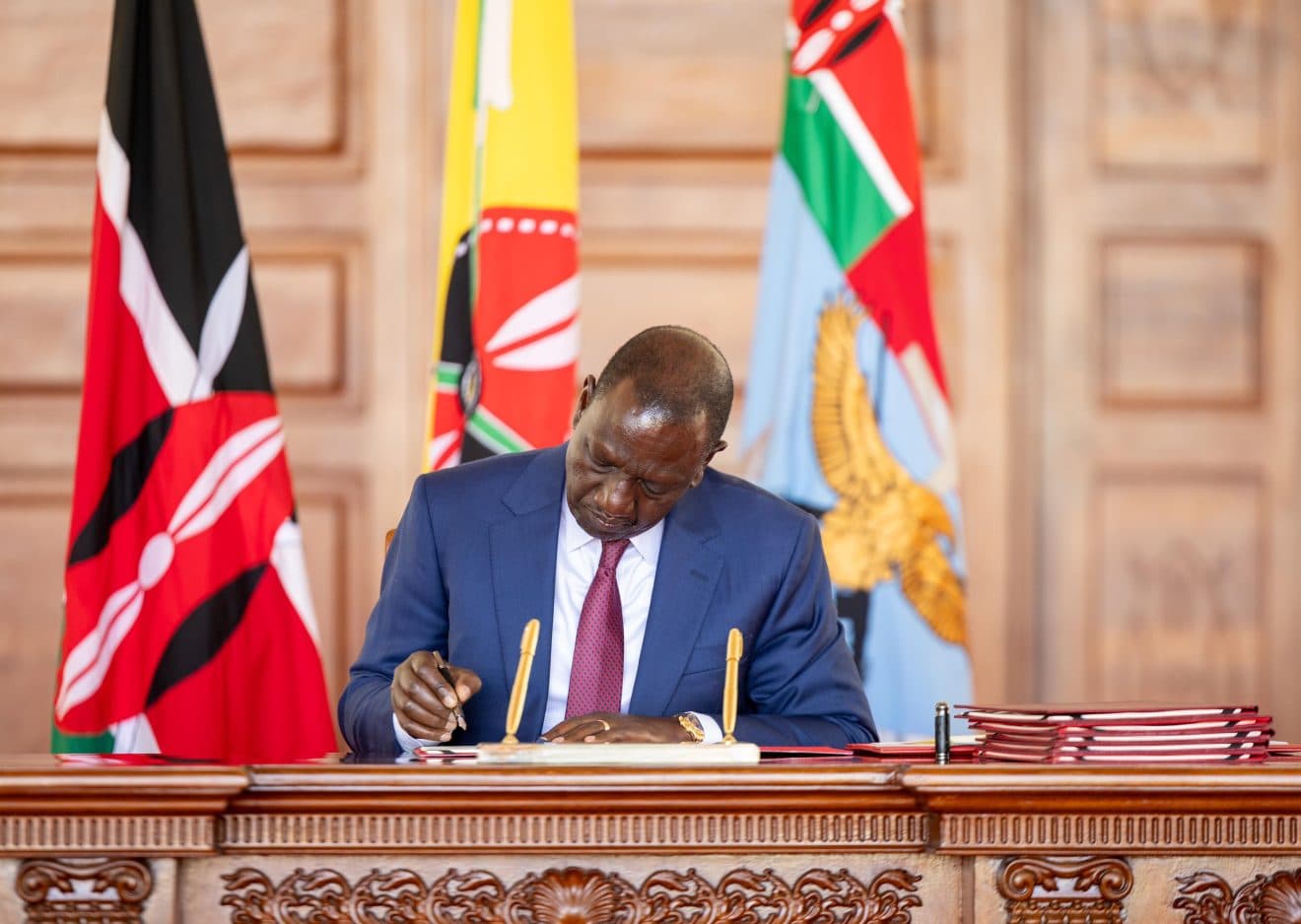
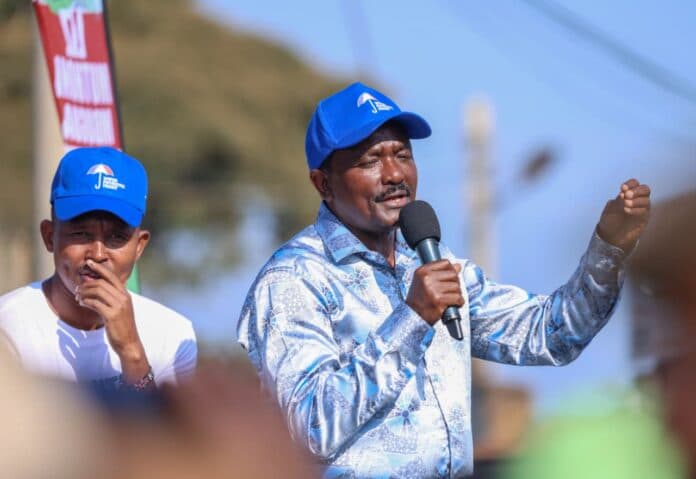
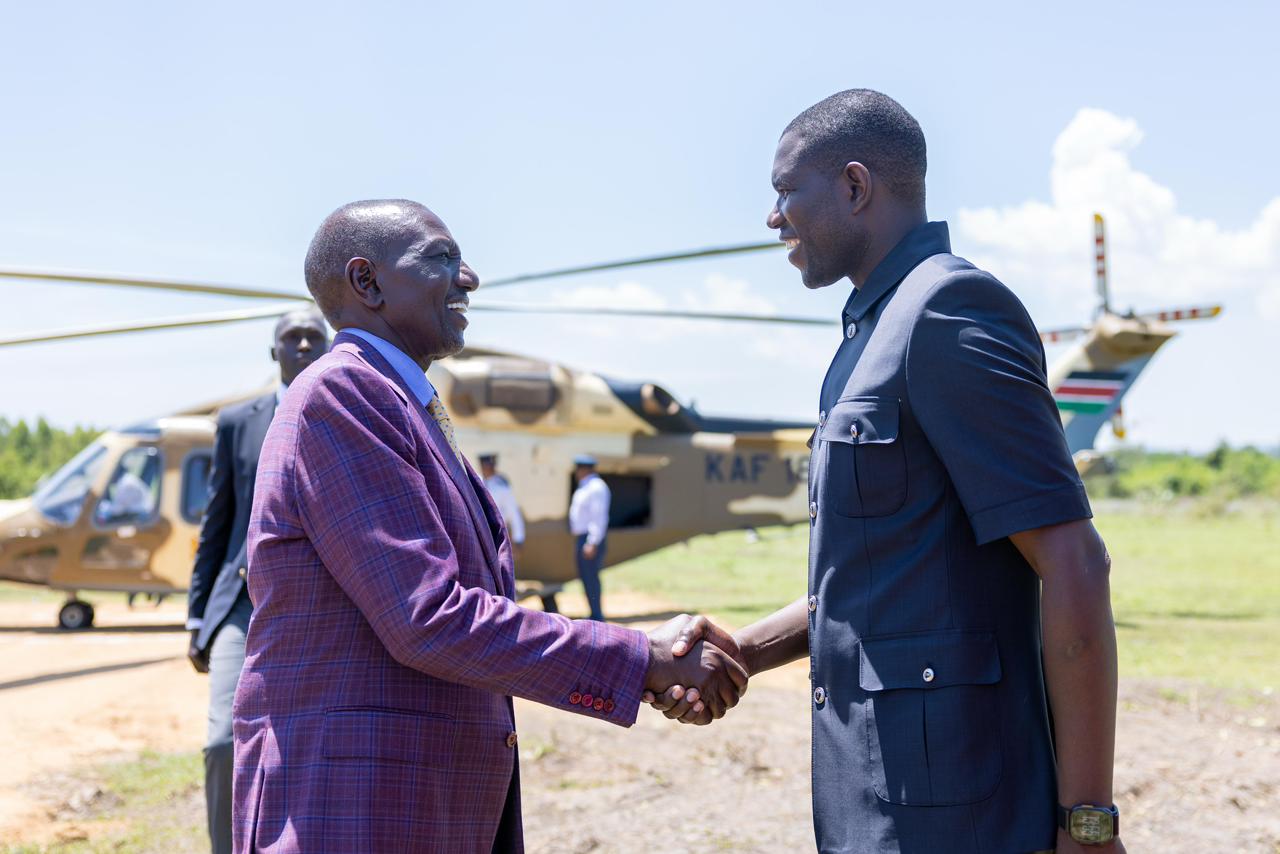
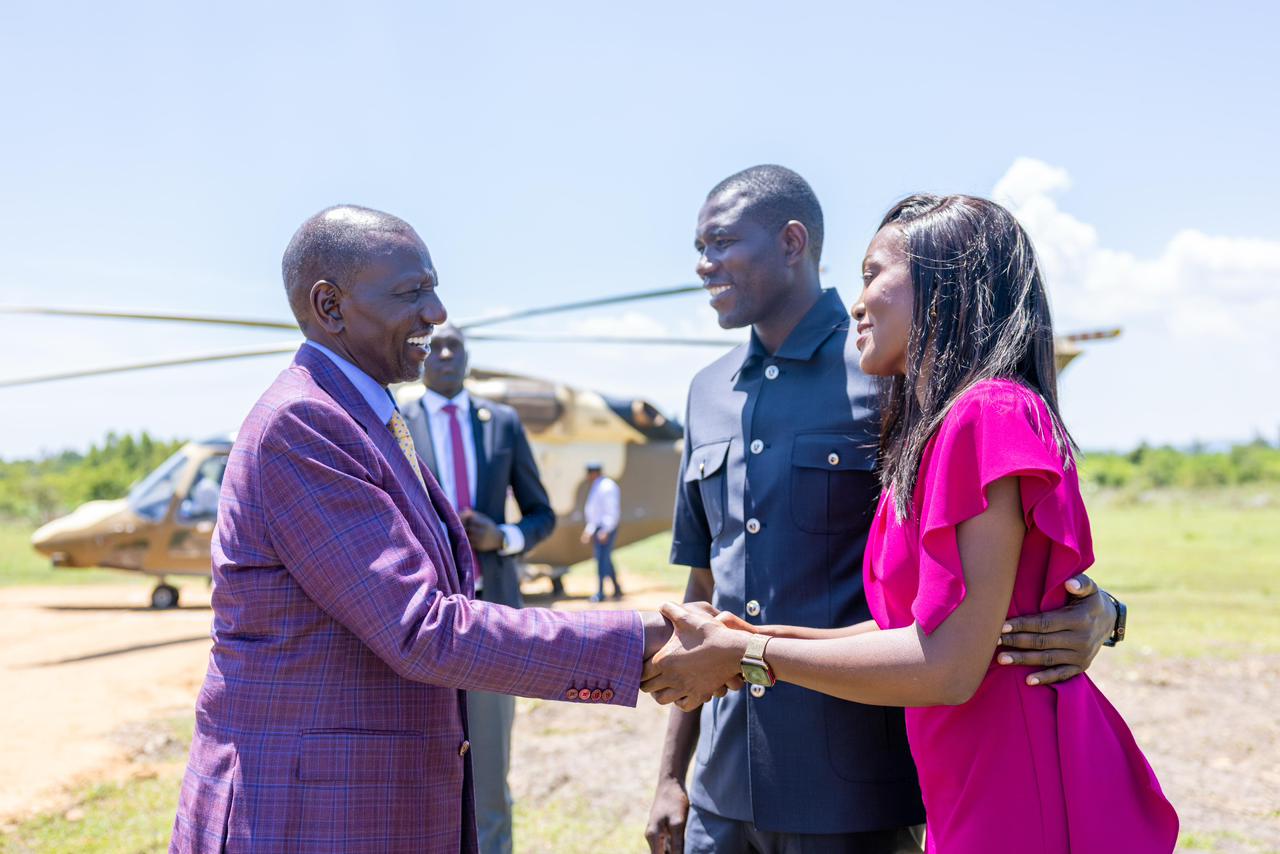
The event, attended by President William Ruto as the Chief Guest in Rarieda, Siaya County, graced by Mama Ida Odinga and Dr. Oburu Odinga, brought together leaders, residents and supporters to celebrate Oluga’s journey in public service. The ceremony was marked by prayers, speeches, and celebrations as leaders lauded Oluga’s contributions to the health sector and his commitment to serving Kenyans.
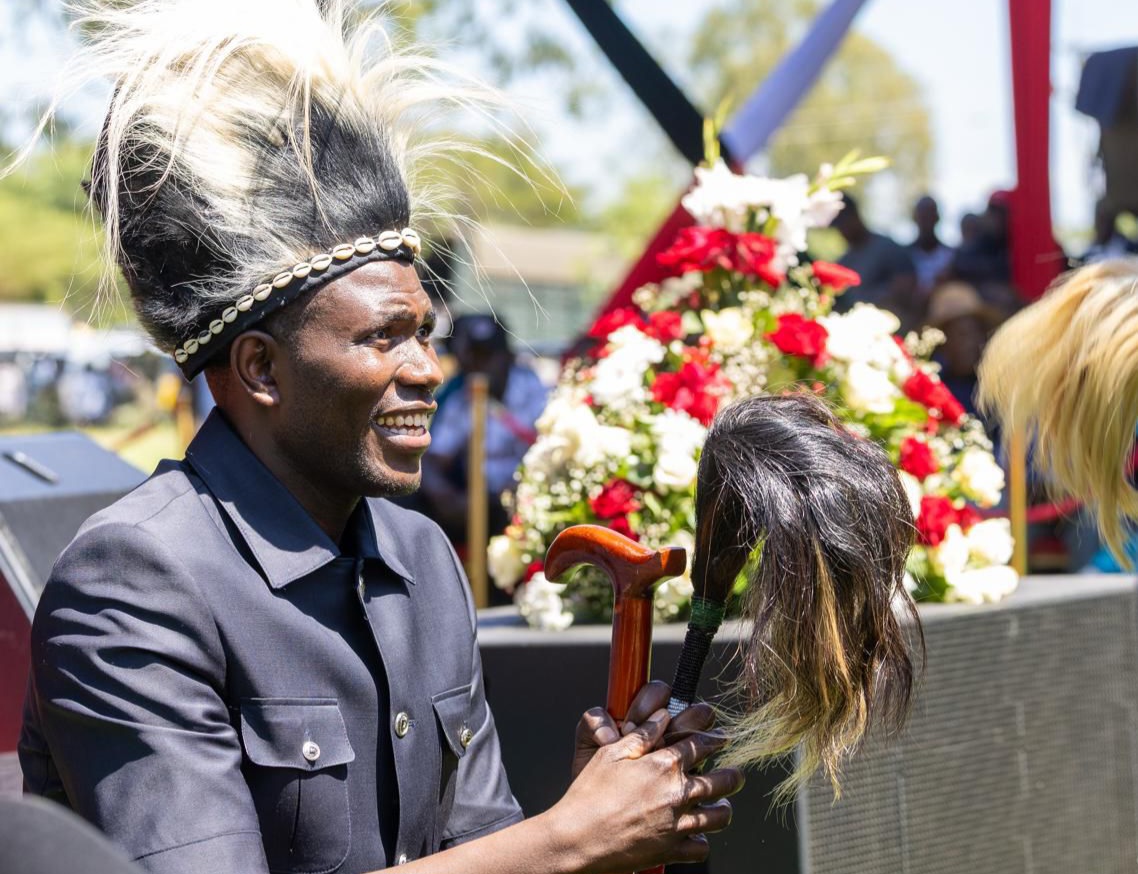
The cultural exchange between elders from the Kalenjin and Luo communities is often seen as a powerful symbol of unity within the Republic of Kenya. When elders from these two communities meet, share traditions, and even participate in important ceremonies together, it reflects something deeper than culture—it reflects a shared history and a shared future. Dr. Ouma's message was a clear indication of the bright future he envisions.
The ceremony sets the precedent for a turning point for the Health PS, after elders blessed his bid to vie for an elective post, which they believe he is ripe for. Dr. Ouma is shifting focus to Governor as a fresh face, clearer mind and a leader with a track-record ready to empower a devolved unit through health reforms and infrastructure development.
His rise to the current role is motivation enough. From a humble, rural upbringing in Siaya County, Dr. Ouma has steadily risen to become one of the country’s most influential health technocrats. He blends clinical expertise, union activism and public administration in a career that has taken him from hospital wards to the top levels of national government.
Born in 1985 in Rarieda Constituency, Siaya County, Dr. Ouma attended Okela Primary School. He would then proceed to Maranda High School on a scholarship by the school’s board and later Moi University for medical studies.
It was at Moi where his healthcare activism and leadership unfurled. He was elected leader of the medical students, university student leader and later part of the leadership of university students in the whole country.
At one point, Oluga was also elected leader of medical students in Africa and then part of the medical students’ leadership globally in charge of Africa. He used those platforms to push for positive change in medicine.
Determined to deepen his expertise in clinical medicine and health systems, he later earned a Master of Medicine in Internal Medicine from University of Nairobi and undertook further professional training in infectious diseases and health monitoring and evaluation through programs associated with the Infectious Diseases Institute in Uganda.
After qualifying as a doctor, Oluga built a reputation as a dedicated clinician and specialist in internal medicine, focusing on chronic illnesses and patient centred care.
However, his influence quickly expanded beyond hospital practice when he became actively involved in the leadership of the Kenya Medical Practitioners, Pharmacists and Dentists Union (KMPDU).
He rose to become Secretary-General of the union, where he became one of the most visible voices advocating for better working conditions for doctors, improved staffing in public hospitals and broader reforms in the health sector.
During his tenure, he played a prominent role in negotiations between doctors and government, and his firm but articulate advocacy during national doctors’ strikes made him a recognizable figure in public discourse on healthcare policy.
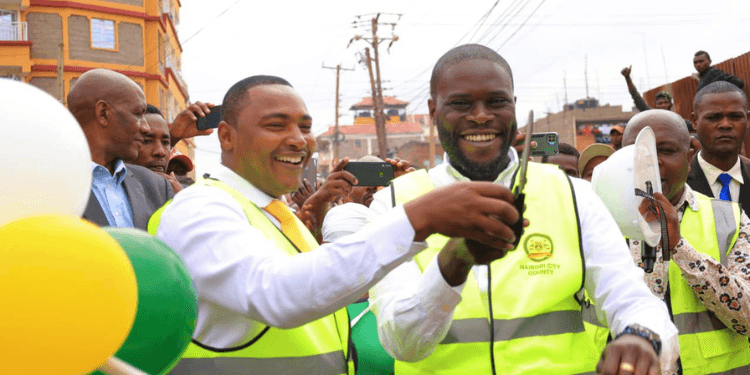
His transition from activism into public administration came when he joined the leadership of the Nairobi Metropolitan Services (NMS), the agency created to manage key functions of the capital city’s services.
At NMS and City Hall, Oluga served as Chief Officer for Health, overseeing public health programmes in Nairobi.
During his time there, he helped coordinate disease control programmes, strengthen primary healthcare facilities, expand services in informal settlements and support improvements in public hospital management across the city.
His technocratic approach and emphasis on efficiency earned him recognition as one of the key health managers during the restructuring of Nairobi’s service delivery system.
His work in Nairobi and his national visibility from union leadership eventually paved the way for his entry into national government.
In 2025, President William Ruto appointed Oluga as Principal Secretary for Medical Services in the Ministry of Health, formally bringing him into the executive arm of government.
As Principal Secretary, Oluga has been central to driving health sector reforms under the administration of President Ruto, working with the Ministry of Health to strengthen public hospitals, coordinate with county governments and advance universal health coverage programmes.
His approach emphasizes accountability and improved service delivery, frequently reminding health workers that strong systems ultimately depend on dedication at the frontline.
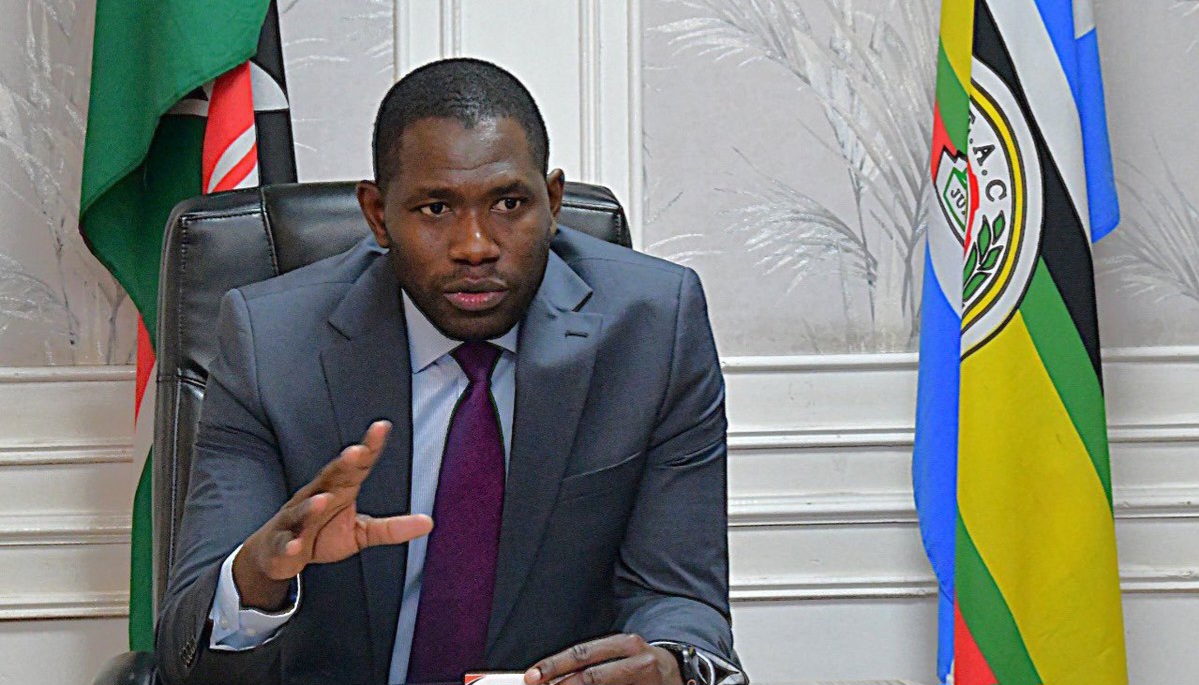
Known for his direct but measured communication style, Oluga has delivered several memorable remarks emphasizing professionalism and service in the health sector, often stressing that the success of Kenya’s healthcare reforms will be judged by how effectively ordinary citizens receive treatment in hospitals and clinics across the country.
Oluga’s path into medicine was shaped by a deeply personal experience. As a young boy, he lost his father after he collapsed while cycling home, an incident that exposed the fragile state of emergency medical care in rural Kenya and left a lasting impression on him.
He has often said the tragedy inspired his determination to become a doctor and work toward strengthening Kenya’s health system so that families would not suffer similar losses due to lack of medical access.
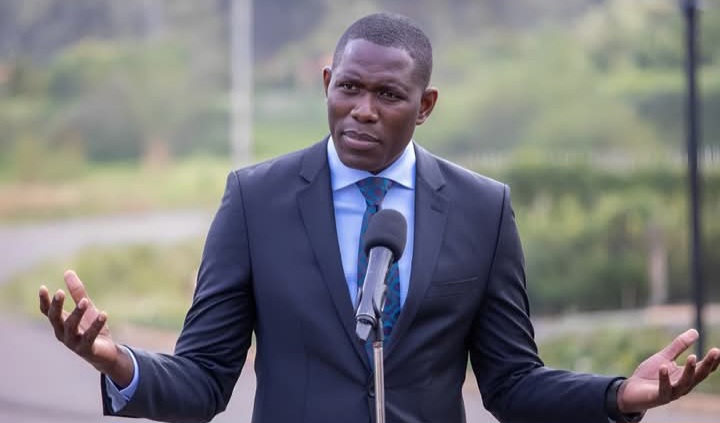
Within the medical community, he is widely regarded as part of a new generation of Kenyan leaders who combine clinical training, policy expertise and grassroots activism.
As he embarks on a journey to bid for Governor, Dr. Ouma's commitment to serving Kenyans give him an edge. Today in his 40’s Dr. Oluga stands as a prominent example of how professional leadership can translate into national governance.