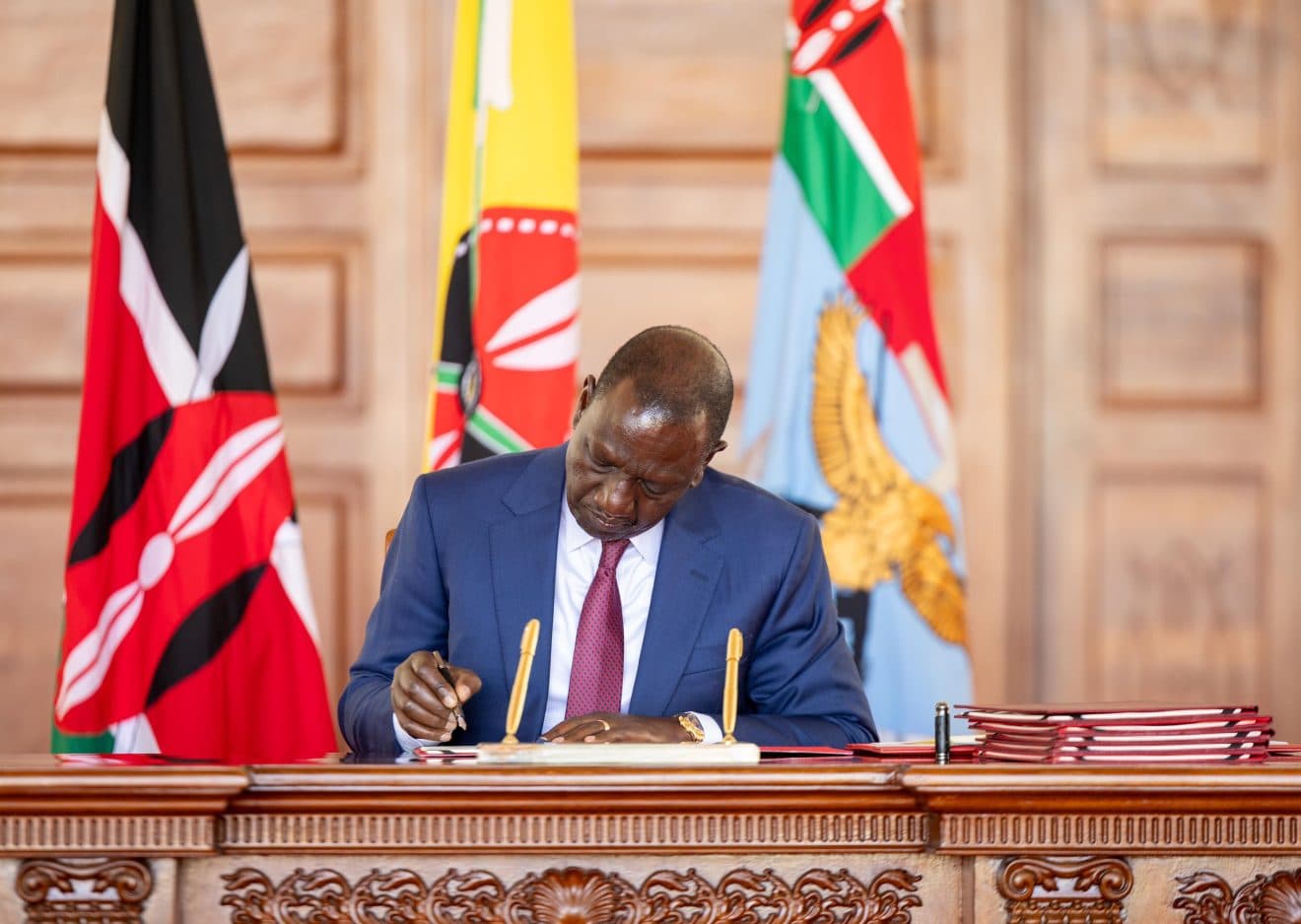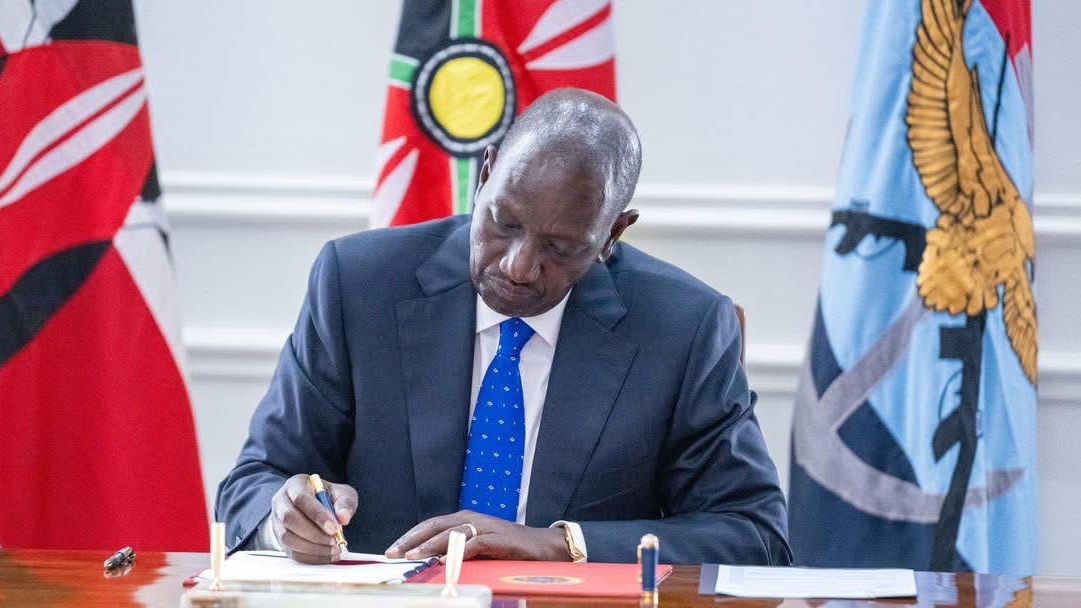
President William Ruto signed three pivotal pieces of legislation into law at State House, Nairobi, on Friday, marking a aggressive push to restructure core sectors of the Kenyan economy. The newly enacted laws—the Coffee Bill, the Meteorology Bill, and the Miscellaneous Fees and Levies (Amendment) Bill—signal a strategic shift toward institutional autonomy and specialized regulation, aimed at revitalizing export revenue, bolstering climate resilience, and securing long-term infrastructure funding.
This legislative package represents a significant departure from the consolidated regulatory approach of the past decade. For the average Kenyan, these laws are not merely administrative changes they are designed to impact the price of coffee at the farm gate, the accuracy of weather data critical for aviation and agriculture, and the fiscal mechanisms funding the nation’s railway network. As the administration faces mounting pressure to deliver economic growth, these bills offer a concrete framework for state-driven sector transformation.
The Coffee Industry’s New Regulatory Dawn
The Coffee Bill (Senate Bill No. 10 of 2023) stands as the centerpiece of this legislative trio, targeting the long-standing dysfunction within Kenya’s "black gold" industry. For years, farmers have grappled with middlemen, delayed payments, and opaque regulatory structures under the Agriculture and Food Authority (AFA). The new law mandates the creation of the Coffee Board of Kenya, an autonomous body tasked with reclaiming both regulatory and commercial oversight.
Strategic Independence: The Coffee Board will strip regulatory and promotional functions from the AFA, creating a single-purpose entity dedicated solely to the coffee sub-sector.
Market Integration: The Board is empowered to register coffee dealers, process permits, and coordinate international market access strategies.
Financial Oversight: A primary goal is to establish transparent funding models that ensure price stability and timely payments to farmers across the Central and Rift Valley coffee belts.
Economists and industry observers argue that separating coffee regulation from the broader AFA mandate is overdue. By insulating the coffee sector from the bureaucratic inertia of a multi-commodity regulator, the government aims to restore Kenya’s competitive edge in the global specialty coffee market. However, success will hinge on whether the new Board can effectively bypass the historical cartels that have long exploited the gap between farm-gate prices and export market values.
Modernizing Climate and Aviation Infrastructure
The Meteorology Bill, 2023, addresses a critical gap in Kenya’s climate infrastructure. With the increasing frequency of climate-driven disasters, the modernization of weather forecasting is no longer a luxury but a necessity for national safety and aviation. The Act provides the legislative teeth needed to upgrade the Kenya Meteorological Department into a more robust and responsive institution.
The law focuses on three critical areas:
Operational Upgrades: Providing the legal framework for adopting modern weather-tracking technology and early-warning systems.
Aviation Safety: Ensuring Kenya’s meteorological standards align with international civil aviation requirements, thereby reducing risks for international and domestic air traffic.
Climate Research: Establishing the institutional capacity to act as a primary data repository for researchers and policymakers tackling climate change adaptation.
Experts note that reliable climate data is the backbone of the "Bottom-Up Economic Transformation Agenda" in the agricultural sector. Without precise, localized weather data, the government’s efforts to improve crop yields remain vulnerable to the erratic shifts in rain patterns that have defined recent seasons.
Infrastructure Funding and the Fiscal Tightrope
The Miscellaneous Fees and Levies (Amendment) Bill, 2026, introduces a recalibration of the government’s revenue collection mechanisms, specifically tailored to sustain large-scale infrastructure projects. As the state balances high debt servicing costs with the need for capital development, the Act provides a legal pathway to broaden financing for the national railway network and other critical transport nodes.
While the specifics of the fee structures are yet to be fully operationalized, the legislation indicates a preference for targeted levies that link economic activity directly to infrastructure maintenance. This approach aims to minimize reliance on the exchequer while ensuring that the railway and associated logistics hubs remain financially self-sustaining in the long term.
Critics, however, warn of the cumulative burden on the private sector. Business associations have expressed concern that constant adjustments to fees and levies, even when earmarked for infrastructure, can compress profit margins and discourage foreign direct investment. The government must strike a delicate balance between aggressive revenue mobilization and maintaining a business-friendly environment.
A Turning Point for Institutional Governance
The enactment of these three bills is a testament to the administration’s focus on legislative reform as a primary tool for executive action. By formalizing these changes into law, President Ruto has moved the needle from policy intent to institutional reality. The success of these laws will now be measured not by the signing ceremony at State House, but by the tangible reduction in wait times for agricultural permits, the accuracy of the next seasonal weather forecast, and the operational stability of the national railway network.
As these agencies begin the transition process—moving assets, staff, and mandates to the new structures—the public will be watching closely to see if this new administrative layer leads to the promised efficiency or merely creates new avenues for bureaucratic redundancy. In the high-stakes arena of Kenyan politics, these reforms are a calculated bet on institutional strength as the engine of long-term stability.