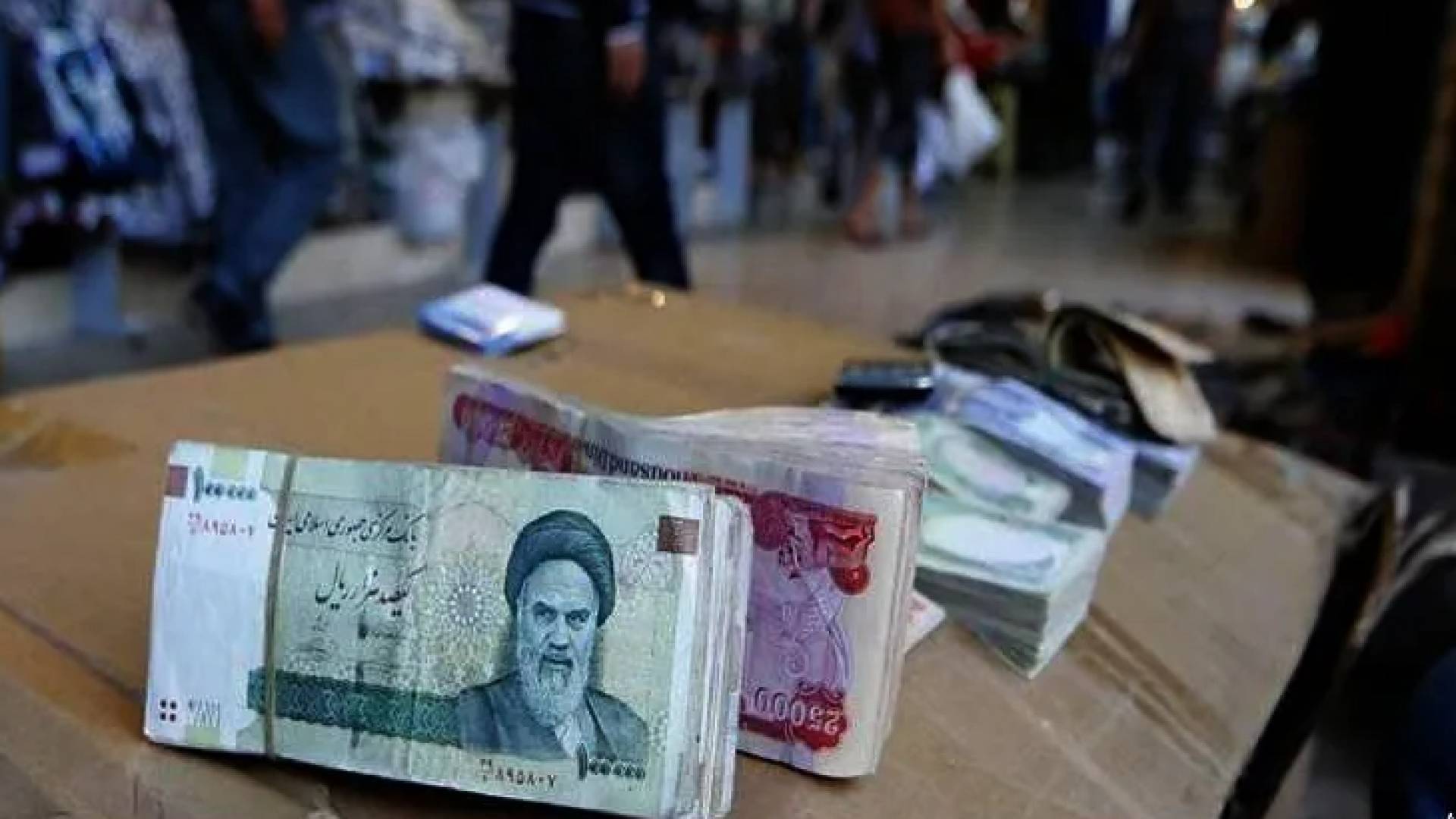
Iran has increased minimum wage payable to workers by over 60% as government moves ahead with plans to bridge economic gaps for low-paid people in the country. The ministry of labour said the raise in minimum wage would improve the purchasing power of workers in the country while boosting the effective demand in the economy
Iran’s labour minister has announced a more than 60 per cent hike in the minimum wage, local media reported Sunday, months after anti-government protests that began as an expression of discontent over dire economic conditions.
The country adjusts its minimum wage yearly to account for inflation, which had skyrocketed under international sanctions in the months leading up to the ongoing war between Iran and its foes, Israel and the United States.
A report from the Tasnim news agency citing the minister of labour said that “with the government’s approval”, the monthly minimum wage would increase from 103 million rials to 166 million in the coming year of the Persian calendar, which will begin in a few days.
It also announced a similar hike in child support benefits.
The Iranian currency trades at about 1.47 million rial to the dollar, after Washington imposed sanctions devalued the local currency.
Economic demonstrations broke out in December of last year, sparked by the high cost of living and the depreciation of the national currency.
The latest official inflation data for January 2026 exposes a widening gap between policy rhetoric and lived experience—one that places the burden squarely on Iran’s working class.
According to official figures, food inflation has surged to nearly 90 percent, while point-to-point consumer inflation has climbed to approximately 60 percent.
Legally, the terrain of wage determination is unambiguous. Article 41 of Iran’s Labor Law obliges the Supreme Labor Council to set the minimum wage based on two criteria: The official inflation rate and The cost of living for a household.