Kiharu Member of Parliament (Mp) Ndindi Nyoro has cast a sharp spotlight on the executive branch's spending priorities, specifically criticizing a proposed Sh17 billion allocation earmarked for State House operations.
The objection, has ignited a fierce debate regarding fiscal discipline within the government and the appropriate allocation of public funds during a period of sustained economic tightening.
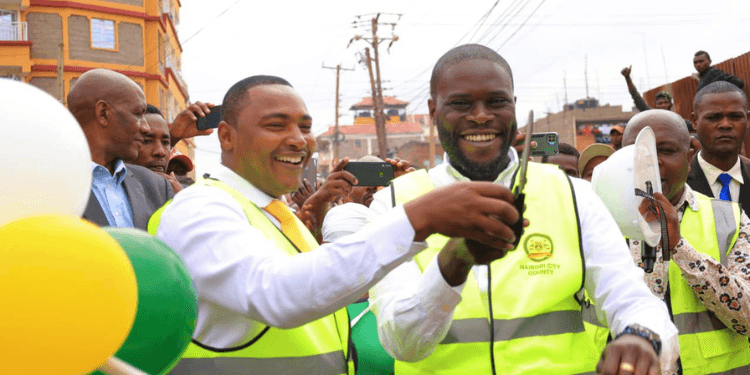
Speaking while commissioning the new Kambirwa Secondary School in his constituency, Nyoro said it’s difficult to justify the allocation of Sh17 billion to the office, with the figure expected to increase to Sh20 billion in the next financial year.
According to the legislator, the funds should instead be used to address pressing national needs, including confirming the 44,000 Junior Secondary School intern teachers into permanent and pensionable employment.
“Channeling those funds towards education and healthcare would have a far greater impact on Kenyans,” the MP said.
He noted that the health sector has been grappling with numerous challenges, saying many Kenyans feel that issues surrounding both public and private hospitals have become increasingly complicated and are affecting access to services.
Previously, the State House’s budget stood at Sh8.58 billion for the 2025/26 fiscal year, while in 2024 it was about Sh9.5 billion and approximately Sh6.8 billion in 2023.
Estimates contained in the supplementary budget indicate that the State House was allocated an additional Sh8.43 billion, bringing the total allocation to Sh17 billion by the end of the year.
Nyoro, urged political leaders to prioritise national interests during the budgeting process and ensure public resources are used responsibly.
He cautioned against the misuse of state funds for political mobilisation, particularly as the country moves closer to another election cycle.
He insisted that political campaigns should be financed using personal resources rather than taxpayer money, arguing that public funds should instead be directed toward strengthening essential sectors such as healthcare and education.
“Let us stem our personal interests as leaders and focus on service to the country. Our legacy will be judged by the work we deliver for Kenyans rather than the wealth we accumulate while in office."
The Sh17 billion ( $130 million) in question is ostensibly designated for various operational needs, ranging from administrative overheads to security and maintenance of state facilities. However, Nyoro, has questioned the granularity of these figures, suggesting that the allocation lacks the necessary justification required in a constrained fiscal environment.
Nyoro's pushback is a significant shift in parliamentary approach to executive budgets. Traditionally, state house allocations have been treated with a degree of deference, often escaping the level of scrutiny applied to ministries such as Health or Education. Nyoro’s move to challenge the figure suggests a willingness to prioritize the public interest over executive convenience. The core of his argument rests on the principle of value for money, asserting that every shilling allocated must demonstrate a direct, quantifiable benefit to the nation.
The tension surrounding the State House allocation is heightened by the broader economic backdrop facing the nation. Data from the Central Bank of Kenya and international financial institutions indicates that the government is navigating a difficult path of fiscal consolidation, necessitated by high debt-servicing obligations and a sluggish global trade environment. When the executive branch requests significant capital injections while simultaneously championing austerity measures across other departments, it creates a political paradox that is increasingly difficult to justify to a weary public.
For the average Kenyan, the discourse surrounding the State House budget reflects a broader dissatisfaction with perceived government wastage. Social media sentiment and public forums have echoed the sentiments expressed by Nyoro, with citizens questioning why large sums are prioritized for state facilities while schools lack desks and clinics face medicine shortages. The government’s response to this pressure will be critical in shaping public trust throughout the remainder of the fiscal year.