In the corridors of Kenyan power, corruption remains a persistent shadow, casting doubt on the integrity of even the highest offices. President William Ruto has issued a strong warning to cartels in the country, vowing to stamp out the corruption menace, in the wake of a scandal that has shaken Kenya's energy industry, even as critics question his commitment to fight graft.
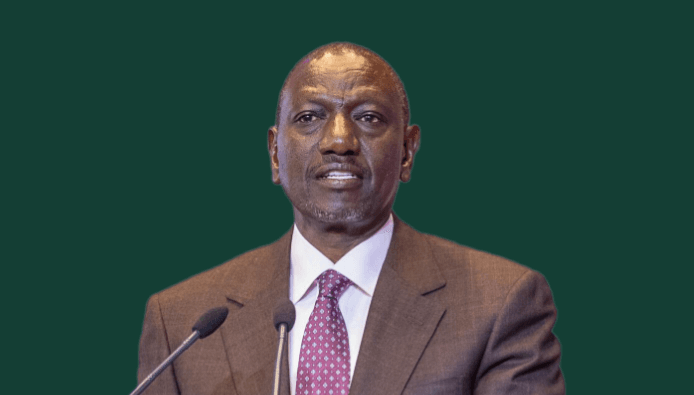
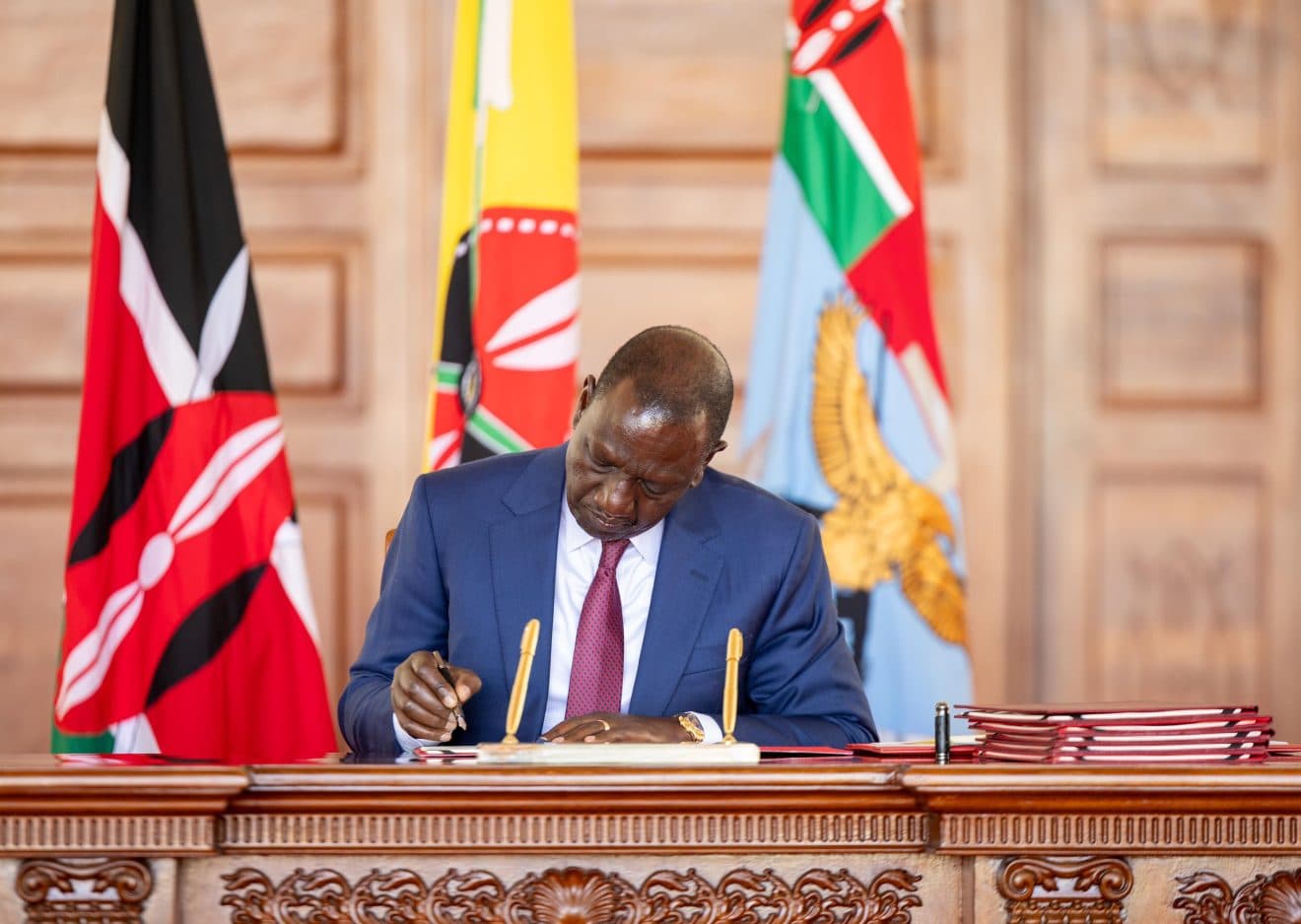
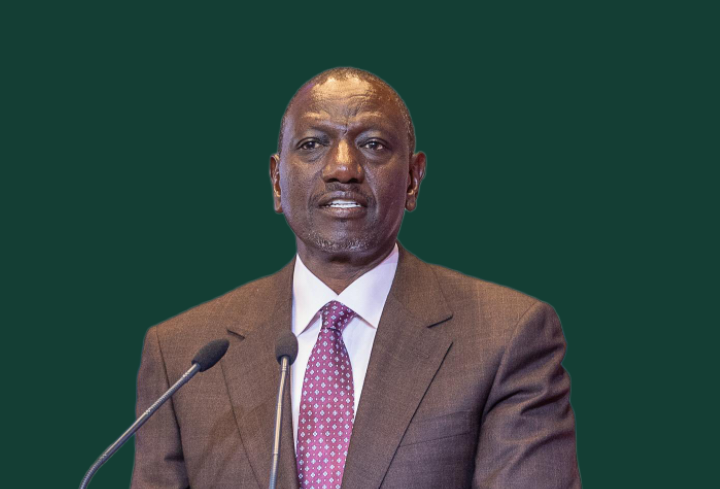
Speaking Sunday, April 5, during a church service in Kilgoris, the President warned individuals accused of manipulating Kenya’s fuel supply system, vowing decisive action against what he described as entrenched cartels in the oil sector. Ruto said those behind the irregularities would face the full force of the law.
“Cartels in the oil industry will face the music. They will not get away with it because it cannot happen in our country,” Ruto said.
According to the President, some cartels, profiteers, and extortionists are attempting to take advantage of the conflict in the Middle East, which has disrupted the energy supply chain globally, for personal gain at the expense of the public.
“We have a problem in the Middle East, yet they still want to create another problem in the country,” he said.
The President maintained that his administration would not tolerate corruption or economic sabotage, reiterating his hardline stance on accountability.
“We will not negotiate about corruption. We will act decisively to end the menace,” he said.
Pointing to previous interventions in sectors such as fertiliser, sugar and coffee, Ruto said the government had already demonstrated its willingness to dismantle cartels.
“We had cartels… and we dealt with them. Today those sectors are working,” he said.
His remarks come in the wake of a major shake-up in the energy sector, where senior officials stepped down and were arrested following allegations linked to questionable fuel imports and possible manipulation of supply data.
Investigations are focusing on claims that false stock figures may have been used to justify emergency fuel imports outside the official government-to-government framework, raising concerns about transparency in the sector.
Earlier on Thursday, detectives from the Directorate of Criminal Investigations arrested energy sector officials over their alleged involvement in the importation of substandard fuel valued at Ksh4 billion.
Kenya Pipeline Company Managing Director Joe Sang, Petroleum Principal Secretary Mohamed Liban, Deputy Director of Petroleum Joseph Wafula, and the Energy and Petroleum Regulations Authority (EPRA) Director General Daniel Kiptoo.
The four have since resigned from their respective positions pending investigations.
With investigations ongoing, the President signalled that further action could follow, warning that the crackdown would be comprehensive, emphasising “We must have accountability in Kenya,”.
Empty Threats?
Despite his tough rhetoric, President Ruto, who ascended to the presidency in 2022 on a platform of economic reform and anti-graft measures, has found himself at the center of numerous graft allegations.
While Ruto has consistently denied direct involvement and positioned himself as a champion against corruption—establishing multi-agency teams in 2025 to tackle the issue—critics argue that his administration exemplifies “state capture,” where key institutions are manipulated to shield allies and stifle accountability.
Since taking office, Ruto’s administration has been accused of overseeing massive graft, with over hundreds of corruption cases dropped — many involving his allies — while ignoring judicial directives on procurement and reforms.
Key controversies include:
Adani Group Contracts (2024): Two high-profile deals with India’s Adani Group were scrapped in November 2024 following U.S. indictments for fraud and bribery against the firm. The first, a $1.85 billion 30-year lease of Jomo Kenyatta International Airport (JKIA), bypassed competitive bidding and public input, sparking fears of job losses and tax evasion. The second, a Ksh 127 billion ($980 million) power transmission project, was similarly single-sourced. Ruto blamed the cancellations on external evidence, but critics alleged cronyism and potential kickbacks.
Edible Oil Import Fiasco (2023-2024): Through the Kenya National Trading Corporation (KNTC), tax-exempt imports of 125,000 tons of cooking oil via firms like Multi Commerce FZC and Charma Holdings resulted in Ksh 6.6 billion ($51 million) in losses from unsold stock. Part of a subsidy initiative, it was criticized for enriching Ruto’s associates.
Fake Fertilizer Scheme (2024): Farmers received counterfeit subsidized fertilizer via the National Cereals and Produce Board (NCPB), costing Ksh 3.5 billion ($27 million). Agriculture Cabinet Secretary Franklin Linturi survived an impeachment attempt after a parliamentary probe allegedly suppressed witnesses.
Mosquito Nets Procurement (2024): Ksh 3.7 billion ($28.5 million) vanished in overpriced bed net deals at the Kenya Medical Supplies Authority (KEMSA), exemplifying favoritism in health sector tenders.
Social Health Authority Claims: Fraudulent payouts worth Billions of shillings under the new health insurance program have exposed lax oversight.
These and several other scandals have cast a shadow of doubt over the President’s commitment to fighting graft, even as he issues tough ultimatums on public spaces. Auditor General’s reports on public funds misuse have only compounded matters.
A Vision Undermined by Unwillingness to Sacrifice
President Ruto has repeatedly invoked the dream of transforming Kenya into the “Singapore of Africa,” a vision of rapid economic development, infrastructure boom, and first – world status.
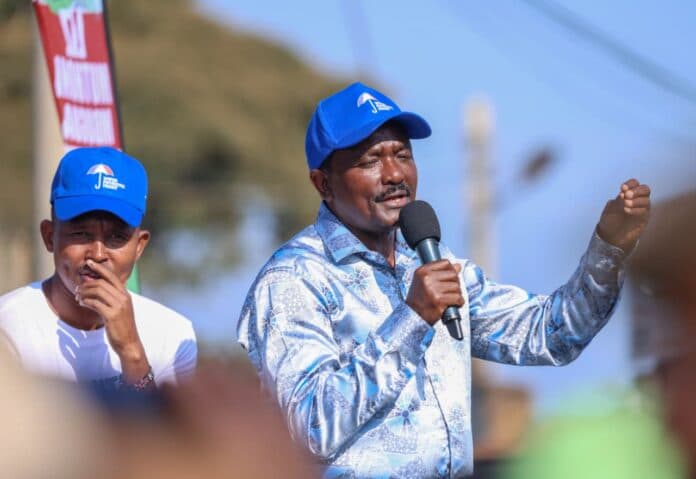
However, critics, including opposition leader Kalonzo Musyoka, have dismissed this as unrealistic, arguing that it ignores the foundational sacrifices that propelled Singapore’s rise — chief among them, an unrelenting war on corruption.
Singapore’s transformation under founding Prime Minister Lee Kuan Yew was built on zero – tolerance for graft, meritocracy, and strict enforcement that spared no one, including friends and political allies.
Lee declared war on corruption by removing incompetent or corrupt officials regardless of personal ties, implementing high salaries for civil servants to deter bribery, and empowering independent bodies like the Corrupt Practices Investigation Bureau (CPIB) to investigate without fear or favor.
This required profound sacrifices: jailing corrupt ministers, streamlining bureaucracy, and fostering a culture where integrity trumped loyalty. Development, as history shows, demands such tough choices to build trust and efficiency.
In contrast, Ruto’s anti-corruption efforts have been lambasted as ironic, selective, and lacking political will. Reports highlight state capture, weaponization of institutions like the Kenya Revenue Authority to silence critics, and the dropping of cases against allies, which directly contradicts the Singaporean model of impartial justice.