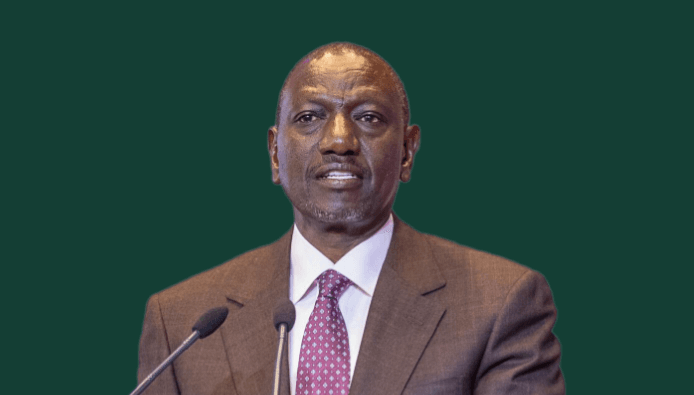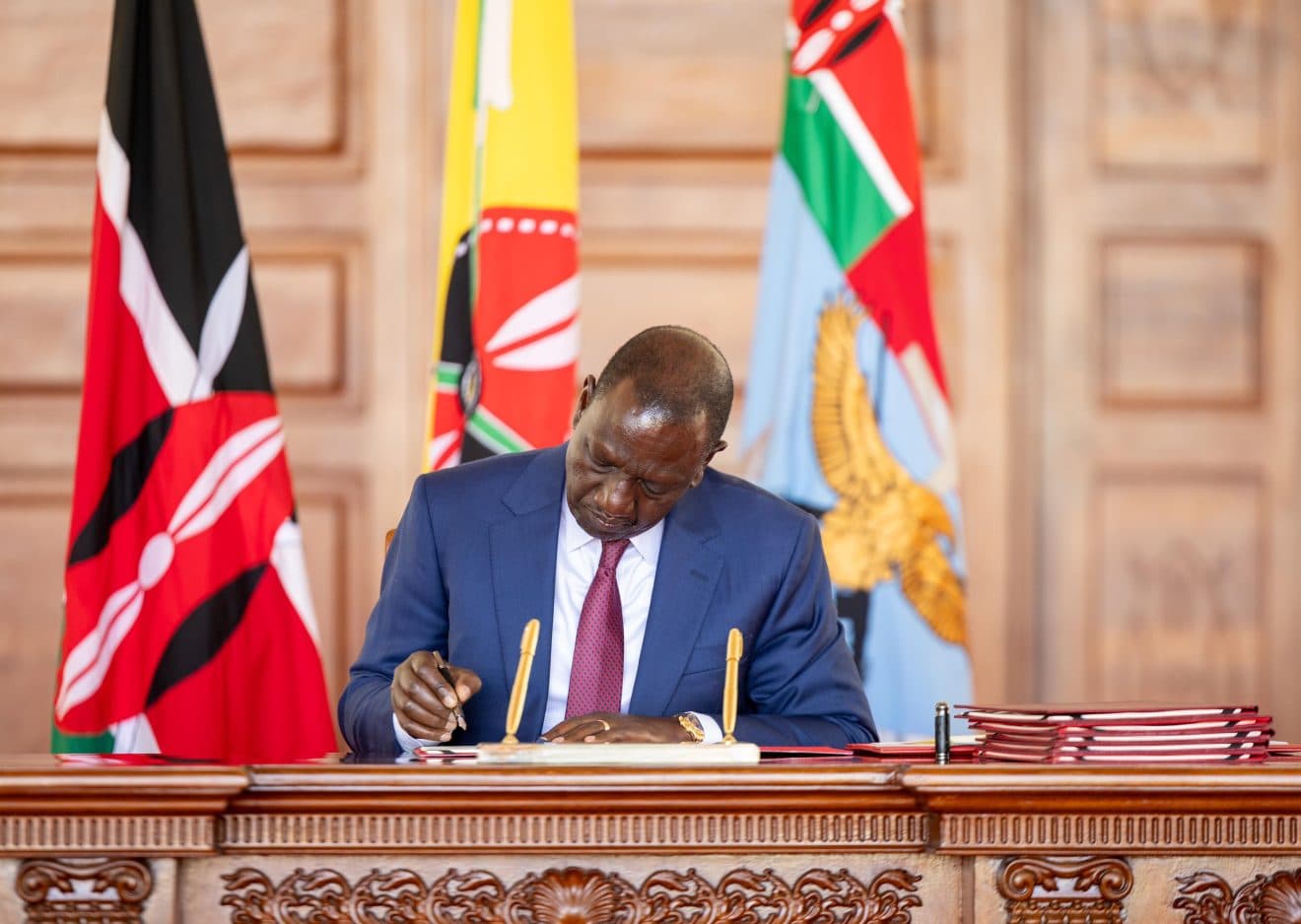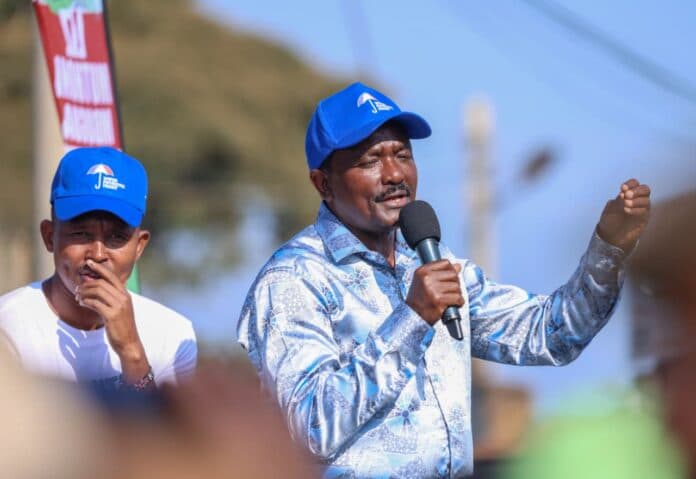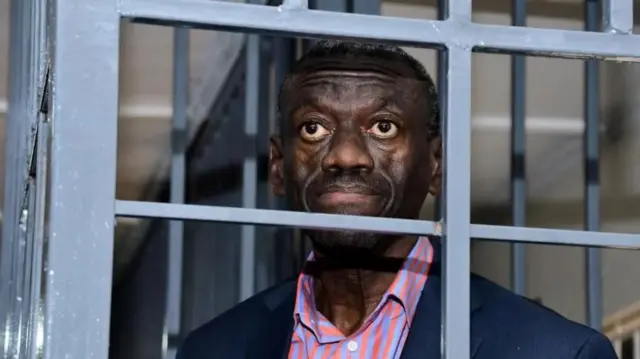
President William Ruto has issued a firm and unambiguous rebuke to opposition leaders calling for his early exit from office, insisting that his tenure is anchored solely in the will of the Kenyan electorate.
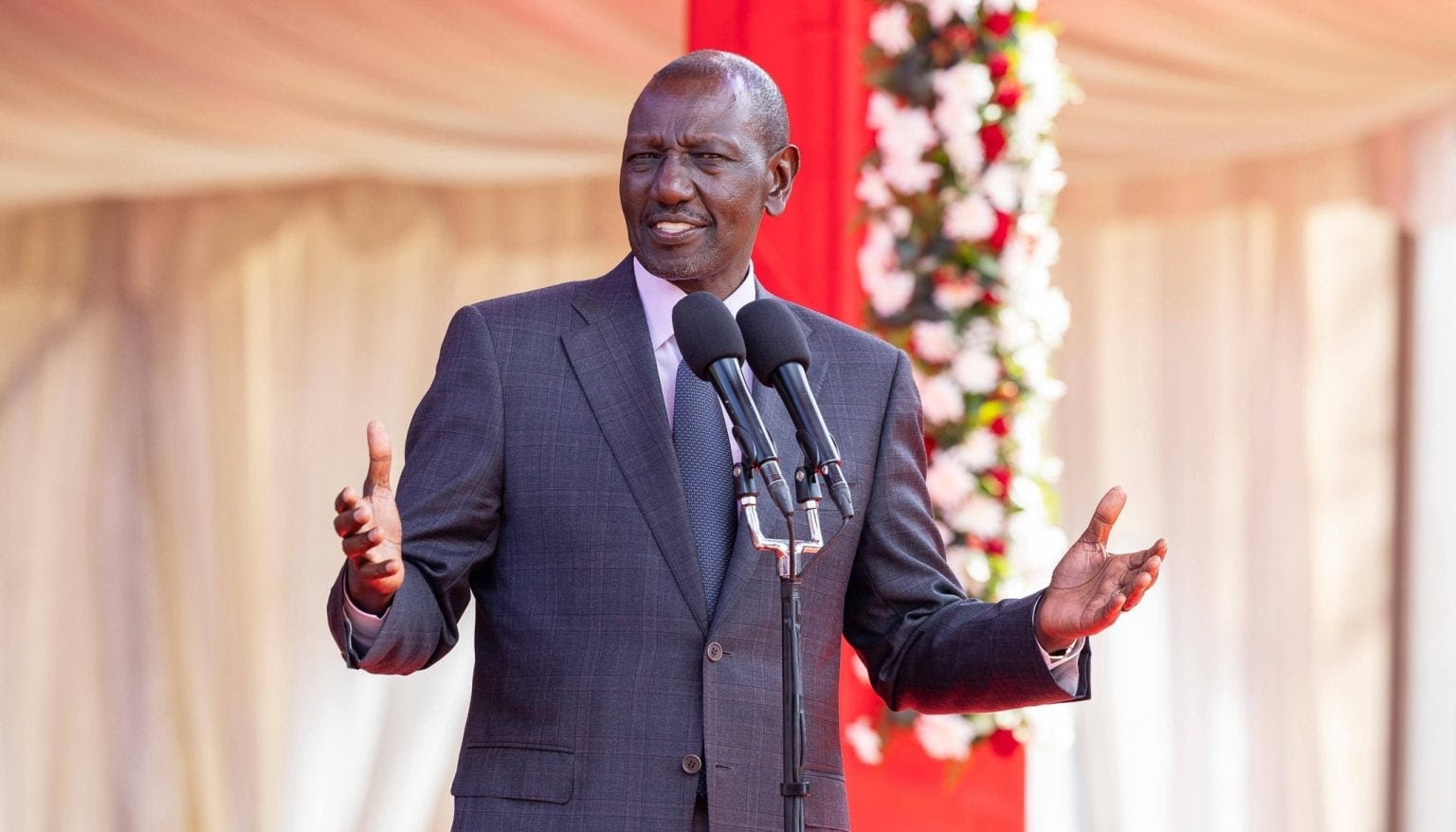
Speaking in Nyamira County during his development tour on Monday, April 13, 2026, Ruto questioned the track record of those challenging his leadership, while emphasising his commitment to the nation’s development.
“I want to ask you, people of Nyamira: Is there any church those guys have built? Is there any road they have constructed here? Even a single school classroom?” Ruto asked the crowd.
The President went ahead to challenge the capability and standing of those allegedly plotting his ouster. Vowing not to be 'cowed by political rhetoric.
“ You will not threaten anyone. They say they are the ones who can decide to remove the President. From where will you remove him? Do you even know me?” Ruto posed.
He dismissed warnings that the country could descend into instability due to political tensions, maintaining that Kenya remains secure.
“Mimi siwezi kukubali mtu yeyote kutisha Wakenya hakuna mtu yeyote kutisha wakenya kwamba eti Kenya itaisha. Hakuna mtu anatoka kwa ofisi na Kenya kuisha, pengine nyinyi mtaisha,” Ruto said.
The President's declaration signals a significant hardening of the administration's stance against a rising chorus of ouster from the opposition, as the opposition intensifies its rhetoric regarding the government's economic management.
With the administration navigating severe fiscal constraints and mounting cost-of-living grievances, the push for removal has evolved from fringe political discourse into a central point of national contention.
The calls for the President's removal are intrinsically linked to the broader macroeconomic instability that has gripped the nation. While the administration points to structural reforms and long-term infrastructure projects as the bedrock of its recovery strategy, the immediate reality for many citizens remains defined by inflationary pressures and limited purchasing power.
Economic data from the Kenya National Bureau of Statistics (KNBS) highlights the strain currently placed on household budgets, with a majority of Kenyans now poorer than they were in 2022.
Meanwhile, debt servicing obligations continue to consume a significant percentage of tax revenue, limiting the fiscal space available for public service delivery.
The central tension in the current discourse is the definition of democratic mandate. The President asserts that his election was a clear, legitimate expression of the people's will, providing him with a five-year term that cannot be interrupted by political dissatisfaction alone. Conversely, critics argue that the "social contract" is conditional and that a government which fails to deliver on its promises loses its moral authority to lead.
As the political calendar inches closer to the next election cycle, the intensity of these demands is unlikely to dissipate. The administration remains at a crossroads: it must either prove that its economic reforms are yielding results that can be felt at the local level or face a continued erosion of its political capital.