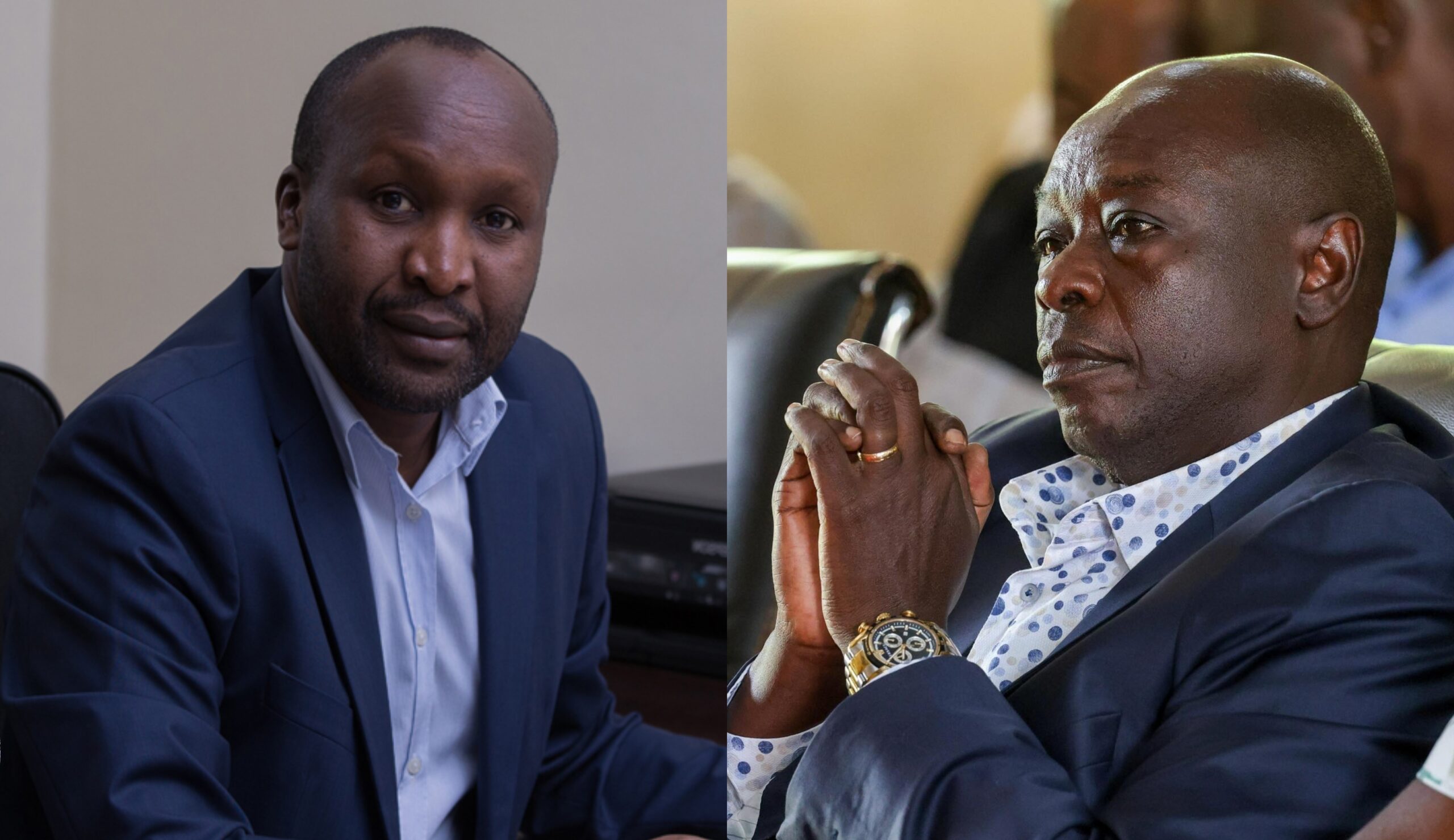
The owner of Stabex International Limited and two other parties have filed a defamation suit at the High Court against former Deputy President Rigathi Gachagua, accusing him of making statements that linked them to alleged corruption in the petroleum sector.
The case, filed at the Milimani Commercial Courts, involves Stabex International Limited, Ultra Eureka Limited, and businessman Jackson Kiplimo Chebett. The plaintiffs claim that remarks made by Gachagua in early April 2026 were false, malicious, and damaging to their reputations.
Court documents indicate that the contested statements were allegedly made on April 4 and 5 during public rallies, media interviews, and church events, and were subsequently broadcast widely across television, radio, and social media platforms.
The plaintiffs say the remarks reached millions of viewers both in Kenya and internationally.
According to the suit, Gachagua allegedly linked the companies and Chebett to the government-to-government (G2G) petroleum supply framework, suggesting they acted as proxies for political interests and improperly benefited from fuel importation deals. In one instance, he is accused of claiming that the businesses had made profits of more than Sh1.5 trillion through the arrangement.
The plaintiffs have denied the allegations, stating that Stabex International has no involvement in the G2G petroleum programme. They maintain that the company operates independently as a legitimate oil marketing firm with an established presence across East Africa.
Chebett, described in the suit as the chairman and majority shareholder of Stabex, is also alleged in the statements to have acted as a proxy for political figures and to have engaged in irregular property acquisitions. However, the plaintiffs insist that all their business dealings, including asset purchases, were conducted lawfully and transparently, including through public auctions.
Through their lawyers, the plaintiffs issued a demand letter on April 9 seeking a retraction and apology from Gachagua, but they say he has not complied.
They argue that the statements portrayed them as corrupt, untrustworthy, and engaged in economic crimes, resulting in significant reputational damage, loss of business opportunities, and emotional distress.
“The defendant acted with actual malice and reckless disregard for the truth,” the court filing states, adding that the remarks were politically motivated and intended to damage their standing.
The plaintiffs are now seeking a permanent injunction to stop further publication of the alleged defamatory statements, alongside a public apology to be published in national newspapers and across social media platforms. They are also seeking general, aggravated, and exemplary damages for libel.