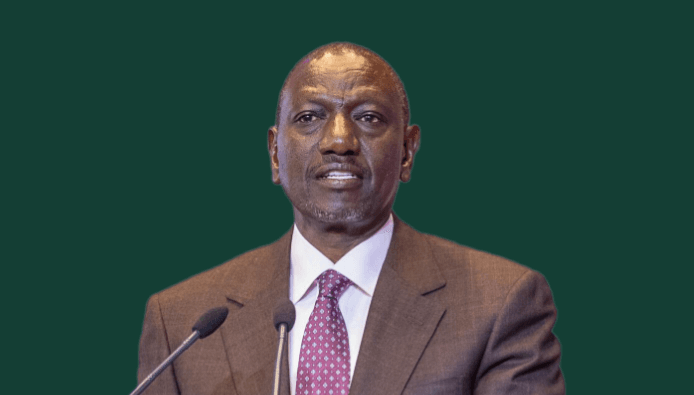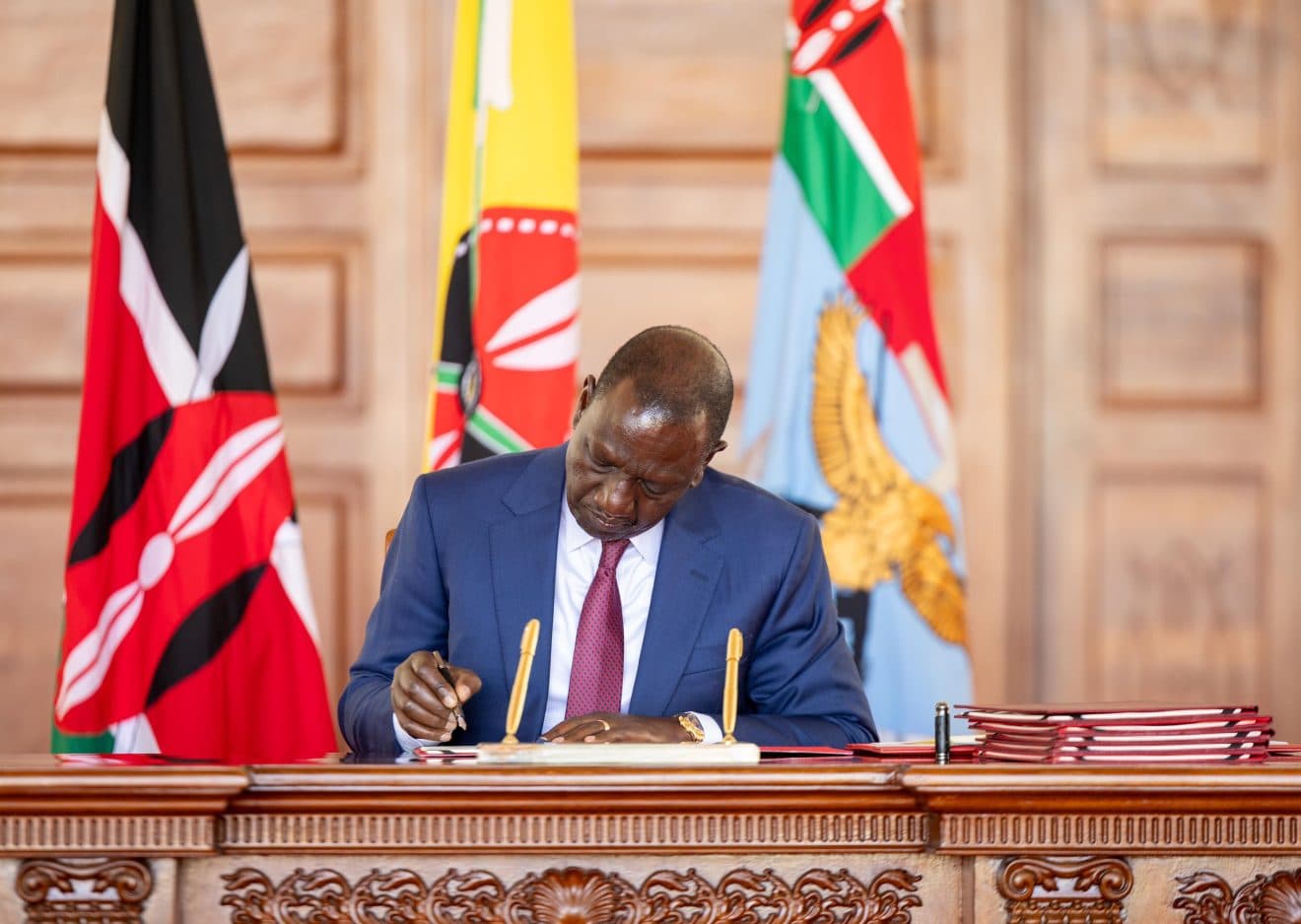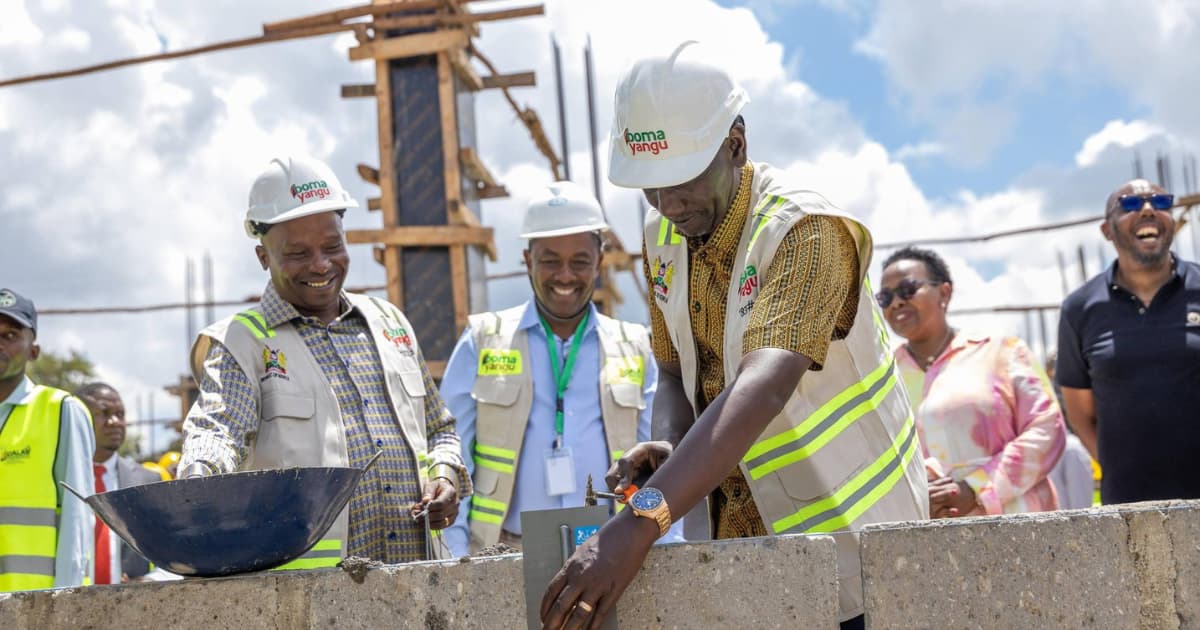
President William Ruto has accelerated his administration’s focus on the informal economy, unveiling a multi-billion shilling infrastructure plan aimed at providing "Mama Mboga" and other small-scale traders with a modern, climate-resilient working environment.
Speaking at the launch of the Ciumbu Modern Market in Maragua on Saturday, the President underscored the strategic importance of the Bottom-Up Economic Transformation Agenda (BETA) in redefining the Kenyan retail landscape.
The Murang’a County development tour serves as a litmus test for the government’s ambitious nationwide market construction program. With 25 markets currently under development in Murang’a alone at a cost of KSh 2.5 billion, the initiative seeks to bridge the gap between rural production and urban consumption by providing cold storage and sanitation facilities that were previously a luxury for local traders.
Nationally, the government is overseeing the construction of 600 modern markets, a move designed to formalize the trade of an estimated 4.5 million small-scale vendors. The President noted that these facilities are not merely buildings but economic hubs that will incorporate digital connectivity, childcare facilities for trading mothers, and banking agents to facilitate the movement of capital within the informal sector.
The economic ripple effect of these markets is expected to be significant. By centralizing trade, the government aims to increase the efficiency of revenue collection for county governments while simultaneously lowering the cost of doing business for vendors who currently face weather-related losses and lack of secure storage. In Maragua, the Ciumbu Market is expected to serve over 3,000 traders directly, providing a dedicated space that moves them off the roadside and into a regulated, safe environment.
Complementing the market infrastructure is the aggressive rollout of the Affordable Housing Program. President Ruto revealed that KSh 1.1 billion has been allocated in the current budget for the construction of 14,000 units within Murang’a County. This integrated approach—pairing trade hubs with residential projects—is intended to create self-sustaining urban ecosystems where traders live in close proximity to their place of work.
Economists suggest that this "Hub-and-Spoke" development model could mitigate rural-urban migration by creating localized economic opportunities in counties like Murang’a. However, critics point to the need for sustainable management models for these markets once completed, noting that previous government-built markets have sometimes fallen into disrepair due to poor maintenance and political interference in stall allocation.
The President, however, remained resolute, stating that the formalization of the "hustler" economy is the only viable path to achieving the Vision 2030 goals. As the 600 markets take shape across the 47 counties, the focus now shifts to the transparency of the allocation process and the ability of these new structures to withstand the logistical demands of Kenya’s vibrant informal trade sector.