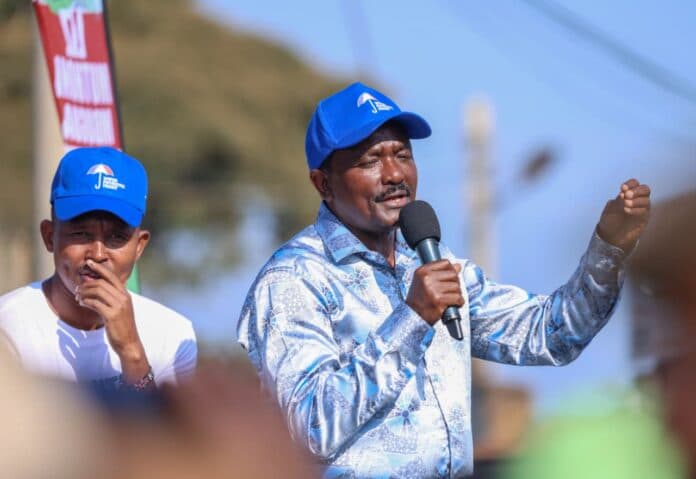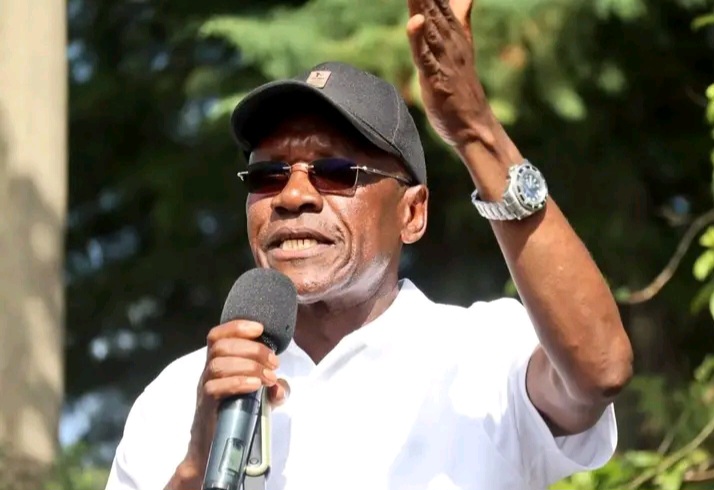
Kakamega Senator Dr. Boni Khalwale has intensified speculation about his political future, after announcing his intention to contest for the gubernatorial seat, a development that could significantly influence Western Kenya regional political dynamics, as the country approaches the 2027 General Election.
The gubernatorial race for Kakamega County promises to be a titanic battle as Senator Khalwale angles for the seat. The announcement has raised political temperatures in what is expected to be a tough duel between the incumbent and the outspoken lawmaker, who has in recent months been on the governor's neck over alleged mismanagement of devolved funds meant to facilitate development projects in the area.
According to him, the governor presides over a 'rotten administration' due to corruption, insisting the county chief owes to the people of Kakamega an explanation on how billions of shillings released to the county by the national exchequer have been spent. The senator argues that economic indicators show little has been achieved in terms of development. According to Dr. Khalwale, “The work that has been done is not commensurate to billions of shillings trickling down from national government".
The vocal Senator, is not confined to local politics, indicating a shift nationally as well. Senator Khalwale was a founding member of the ruling United Democratic Alliance (UDA) party. However, he has recently expressed disillusionment with the party.
His removal from the influential post of Senate Majority Whip in December 2025 serves as the definitive punctuation mark on his decline within the UDA hierarchy. The party’s decision to replace him with Bungoma Senator David Wafula Wakoli was not merely a procedural change it was a punitive measure designed to punish what the party leadership termed "gross misconduct" and "disloyalty."
The tension began in earnest when the Senator dared to support a rival candidate, Seth Panyako of the Democratic Action Party of Kenya (DAP-K), in the Malava parliamentary by-election. By choosing to back an opposition-aligned candidate over the UDA-sponsored flagbearer, Khalwale signaled that his constituency loyalty—or perhaps his personal survival instinct—outweighed his allegiance to the party’s central command. His subsequent rhetoric in the Senate, which has often turned sharp against executive policy, suggests that the "Bullfighter" is no longer content to be the administration’s loyal soldier.
For observers of Kenyan politics, the rift highlights the precarious math of coalition management. The Western region, a traditional opposition stronghold, was among the crown jewel of President Ruto’s 2022 victory. Ensuring the continued support of the Mulembe nation is vital for any 2027 reelection strategy. However, the economic reality for these citizens remains stark. Unemployment rates in the region continue to hover above the national average, and the perennial crises surrounding the sugar industry—the economic heartbeat of the counties—have yet to be resolved in a way that feels tangible to the local farmer.
Khalwale’s public pivot is about reclaiming his role as the voice of a frustrated demographic. The signal is clear: the political landscape of Western Kenya is shifting.
As the political calendar moves toward 2027, the central question remains whether Senator Khalwale can leverage this disillusionment into a new power base. Historically, politicians who break away from ruling coalitions often face the full weight of the state’s machinery, which can stifle their movements and isolate their financiers. However, the Senator possesses a rare skill in Kenyan politics: the ability to command the grassroots regardless of the party ticket.