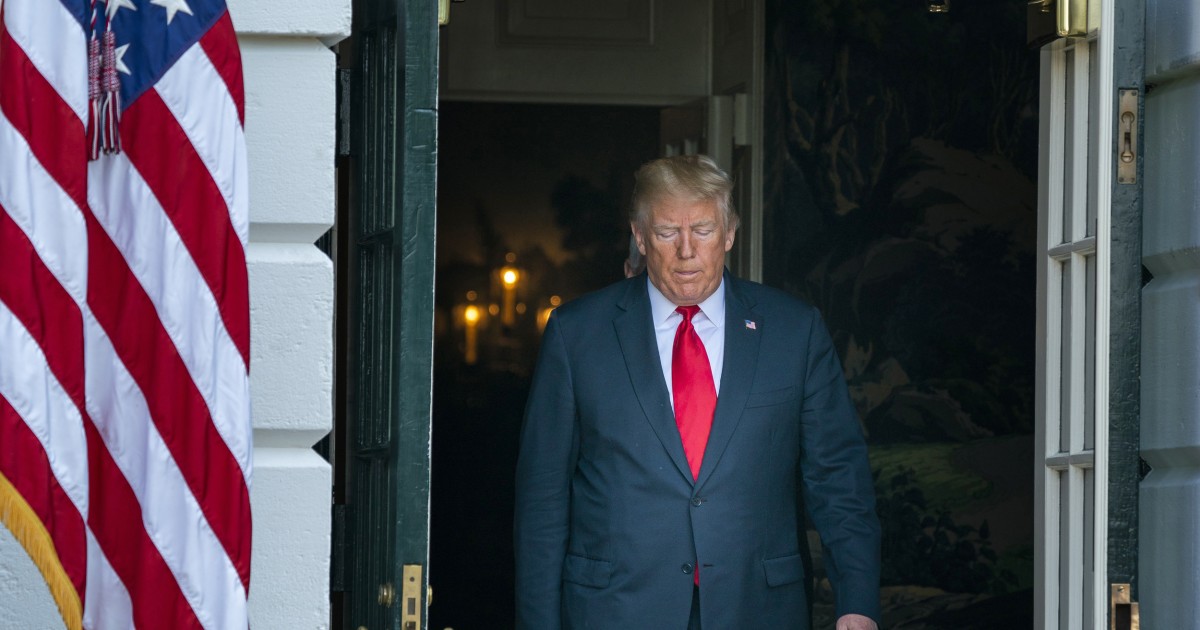
A Republican-backed reconciliation bill has advanced a $1 billion provision for Secret Service security upgrades, effectively earmarking taxpayer funds to support the controversial "East Wing Modernization Project" at Donald Trump's White House.
The legislative maneuver arrives concurrently with a major legal victory for conservatives, as the Virginia Supreme Court struck down a Democratic redistricting plan, severely complicating the opposition's path to reclaiming the House of Representatives.
Originally promoted as a privately funded endeavor, the 90,000-square-foot ballroom project has morphed into a multi-million-dollar political flashpoint. The decision to embed the massive security appropriation within a broader $72 billion immigration enforcement package represents an aggressive exercise of legislative power, sparking outrage from Democratic lawmakers who accuse the administration of prioritizing opulent executive facilities over urgent national priorities.
The East Wing Modernization Project
President Trump has repeatedly championed the construction of a grand ballroom at the White House, asserting the space is necessary for hosting state dinners and international summits on a scale befitting the United States. Initial estimates placed the cost at $200 million, a figure that rapidly escalated to $400 million amid structural complications. The administration previously pledged that all construction costs would be covered by private donations, pointing to a roster of nearly 40 wealthy benefactors.
However, the new legislative text drafted by Senate Judiciary Committee Republicans allocates $1 billion to the Secret Service specifically for "security adjustments and upgrades, including within the perimeter fence of the White House Compound." The funds are explicitly linked to above-ground and below-ground security features necessitated by the East Wing expansion. Critics argue that specialized bulletproof glass, subterranean bunkers, and reinforced foundations constitute construction costs subsidized by the American taxpayer.
Funding Through Reconciliation
The legislative strategy employed to secure the ballroom funding relies on the budget reconciliation process. This parliamentary mechanism allows legislation to pass the Senate with a simple 51-vote majority, entirely bypassing the threat of a Democratic filibuster. By attaching the $1 billion provision to a massive Department of Homeland Security funding bill focused on immigration enforcement, Republicans have presented their opponents with an impossible political binary.
Key elements of the controversial legislation include:
A total appropriation of approximately $72 billion for homeland security and immigration operations.
A specific $1 billion carve-out for the United States Secret Service structural upgrades.
Language prohibiting the funds from being used for "non-security elements" of the ballroom, a clause Democrats deride as highly ambiguous.
Long-term funding guarantees extending well beyond the current presidential term.
Senate Minority Leader Chuck Schumer lambasted the proposal, arguing that working-class families struggling with inflation are effectively being forced to finance a billionaire's architectural vanity project. Legal experts predict fierce challenges invoking the Byrd Rule, which prohibits extraneous policy provisions from being attached to budget reconciliation bills.
Virginia Redistricting Reversal
As the ballroom funding debate dominates Washington, the broader electoral landscape shifted decisively in favor of the Republican Party. The Supreme Court of Virginia issued a ruling striking down a voter-approved redistricting referendum that would have instituted a highly favorable congressional map for Democrats. The court determined that the legislative process employed to advance the proposal violated the state constitution.
The judicial intervention means the current congressional map, which divides Virginia's delegation into six Democrats and five Republicans, will remain in place for the critical 2026 midterm elections. The invalidated map was projected to net the Democratic Party an additional four seats, a margin that could have single-handedly tipped the balance of power in the tightly contested House of Representatives. The ruling adds to a string of recent judicial defeats for Democrats, including a significant gerrymandering setback in Florida.
Electoral Implications and Global Parallels
The convergence of executive extravagance and structural electoral advantages paints a bleak picture for the Democratic Party heading into the midterms. The aggressive utilization of state courts and legislative reconciliation demonstrates a relentless Republican focus on cementing institutional power regardless of shifting public opinion.
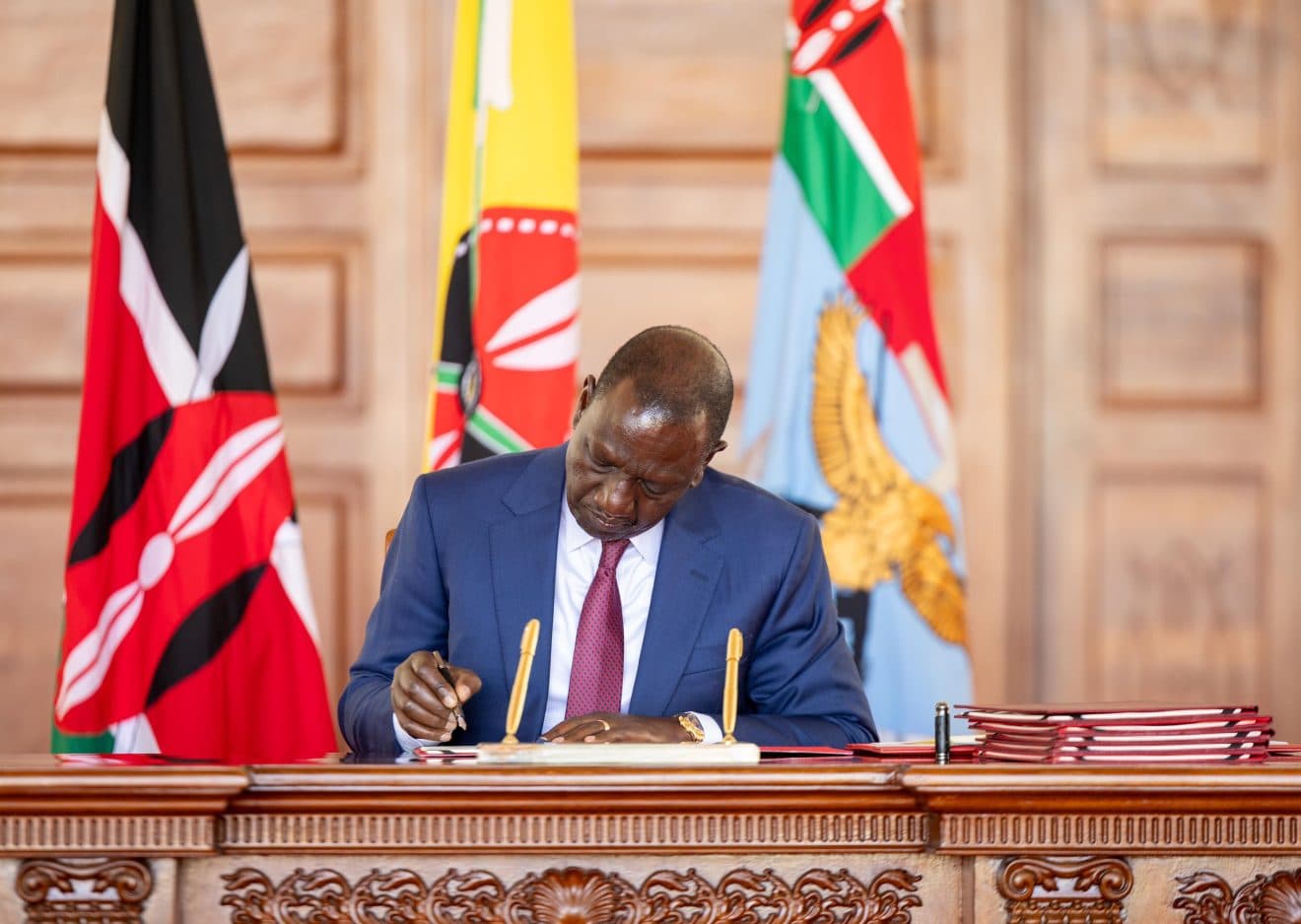
The injection of partisan security funding into broader budgetary measures mirrors legislative tactics observed globally. In Kenya, supplementary budgets and targeted infrastructural allocations—often tethered to executive prestige projects—routinely spark fierce parliamentary debate regarding the prudent use of taxpayer funds in times of economic hardship. The battle over the East Wing ballroom is a universally recognizable conflict between executive ambition and fiscal accountability.
The implications for American taxpayers and the integrity of the electoral map are massive, setting the stage for a deeply polarizing midterm clash.