


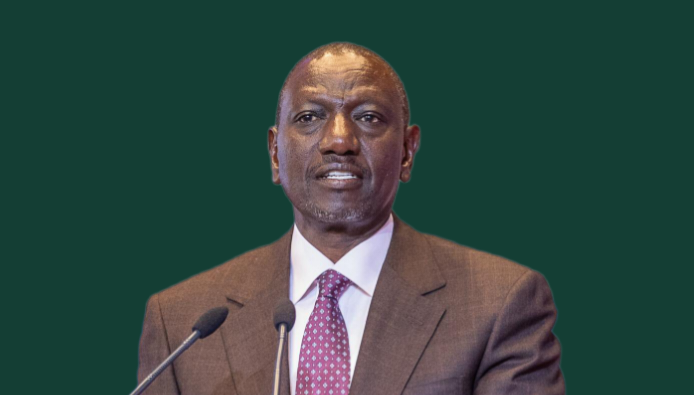
President William Ruto has sought to assure his opponents and the public that he will accept defeat gracefully if he loses the 2027 presidential election, moving to calm growing controversy sparked by remarks from some of his allies suggesting they could help him rig the vote.
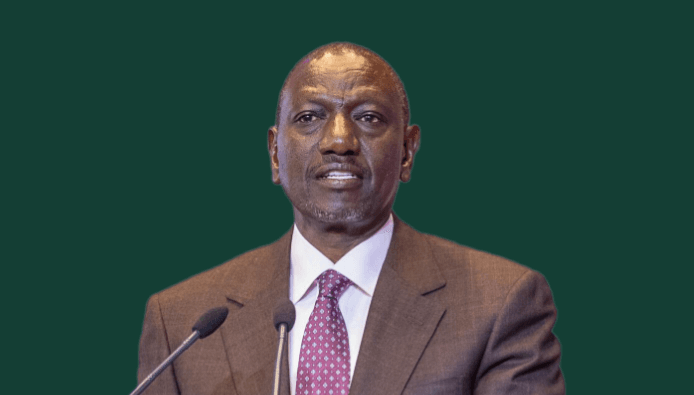
Speaking during the National Prayer Breakfast attended by senior government officials and Orange Democratic Movement leader Oburu Oginga, the President said his political future rests in God’s hands and insisted that Kenya would hold peaceful, free, and fair elections.
“If God has decided Ruto will get a second term, he will. If God has decided otherwise, that is what will happen. And we will move on as a country,” he said, adding that leadership transitions are part of a divine plan that cannot be altered by human effort.
“What God has decided, no man can change. So, relax. People are in a panic, I don’t know why.”
Ruto further assured Kenyans that the 2027 General Election would be conducted without violence or interference, dismissing fears of instability or post-election unrest.
“And just for your comfort, between now and the next elections, we will drive the transformation of this country. We are going to have elections. And they will be peaceful. And there will be no violence. And they will be free and fair. Yes, they will be free and fair,” he said.
He maintained that Kenya has the capacity to conduct credible elections without descending into chaos and warned that attempts to divide the country would not succeed.
“Those who believe they will divide this country, they will not. They will not succeed,” he said. The President urged citizens to remain calm and avoid anxiety over succession politics, reiterating that his administration remains focused on stability, development, and continuity ahead of the next polls.
The concerns over alleged election rigging prompted the Independent Electoral and Boundaries Commission to issue a warning to politicians on May 26, 2026, against making remarks that undermine public confidence in the electoral process and distort perceptions of Kenya’s democracy.
IEBC said the statements had created unnecessary anxiety in the electoral environment despite no election having been declared, and described the utterances as unacceptable, reckless, and entirely baseless.
The commission warned that repeated claims of planned election manipulation could mislead Kenyans and erode trust in institutions mandated to manage elections, saying the comments were clearly intended to instil fear and weaken confidence in the integrity of the electoral system.
IEBC reiterated that the constitutional mandate to conduct and supervise elections rests solely with the commission under Article 88 of the Constitution and cannot be assumed by any political actor or institution.
IEBC chairperson Erastus Edung Ethekon said Kenya has built a credible and resilient democratic system anchored in the rule of law and cautioned leaders against inflammatory statements that could weaken public trust.
“Kenya’s leadership bears a responsibility to safeguard these gains and must therefore refrain from making unverified, inflammatory or misleading statements relating to vote-rigging or voter manipulation,” the commission said.
As the country moves closer to 2027, the focus will remain on ensuring institutional independence, public confidence in the electoral process, and peaceful political competition that does not undermine national unity.