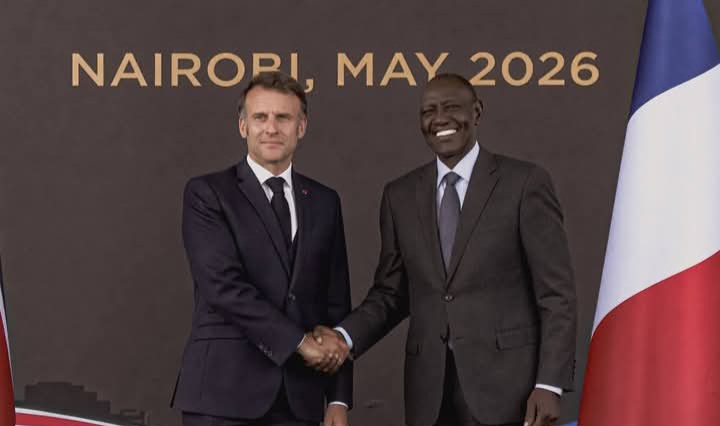
President Emmanuel Macron touched down in Nairobi this week for the Africa Forward Summit, marking the first time a major France-Africa forum is hosted in a non-Francophone state. The optics were deliberate. With President William Ruto as co-host, Kenya positioned itself as the gateway for a reset in France-Africa relations — one built on trade and investment, not old colonial ties.
The summit is pushing a bold agenda: to redefine how Africa is perceived in global finance and unlock fresh investment flows. The goal is to move away from outdated risk perceptions that have long made African countries more expensive to finance.
Macron, speaking as the current G7 chair, echoed this shift, backing reforms that would improve access to capital and position Africa as an equal partner in global economic systems.
The optics of him sitting alongside Ruto, not just in formal sessions but also in informal engagements like the Nairobi morning run with Eliud Kipchoge, reinforced a deliberate message: partnership, not hierarchy.
The summit has already delivered tangible outcomes. France is actively seeking to deepen its footprint in East Africa, with deals worth over $1 billion announced or under discussion. These include major investments in infrastructure, logistics, clean energy and digital innovation.
Among the standout commitments is a significant French-backed investment in Kenya’s port and transport ecosystem, alongside earlier announcements such as support for Nairobi’s commuter rail expansion.
French corporate giants and financiers are also engaging directly with African governments and private sector players, signalling a shift from aid-driven engagement to investment-led partnerships.
Macron framed this new direction clearly, stating that Africa and Europe must build “strategic autonomy” together, especially in areas like technology and artificial intelligence, sectors increasingly seen as the next frontier of economic competition.
This summit is historic for another reason, it is the first time France has hosted such a high-level Africa summit in an English-speaking country, marking a strategic pivot away from its traditional Francophone sphere of influence.
France has been losing ground in parts of West Africa amid rising anti-French sentiment and shifting geopolitical alliances. By choosing Kenya, Macron is effectively repositioning France as a partner to a new generation of African economies, stable, reform-driven and globally engaged.
Kenya, for its part, is leveraging this moment to elevate its international standing. Ruto has consistently positioned the country as a gateway for investment into Africa, and the summit reinforces that ambition.
Perhaps the most strategic move in the background of this summit is Kenya’s recent push to strengthen its investment and business environment through new legal frameworks.
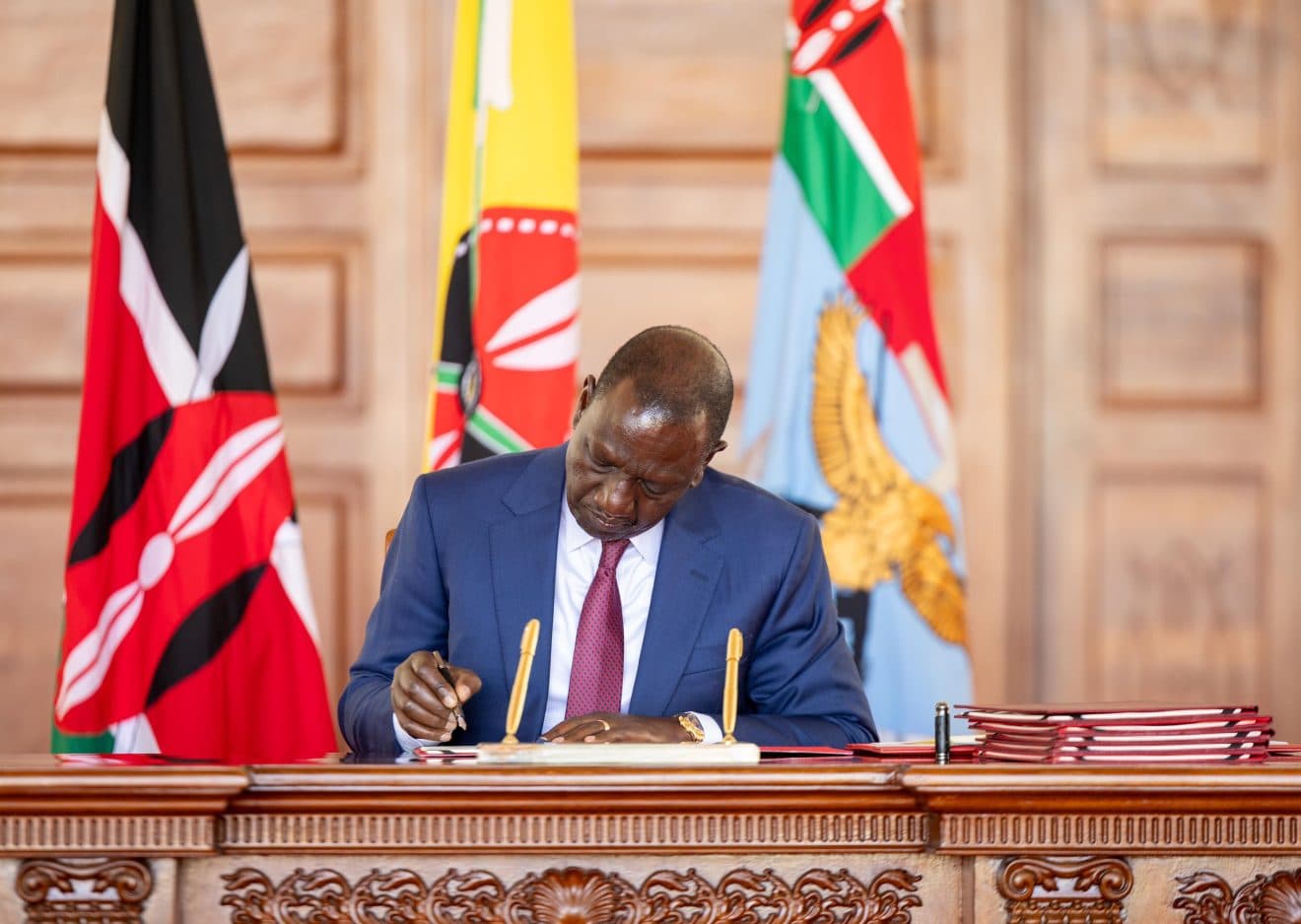
By signing and operationalising reforms aimed at improving the ease of doing business, protecting investors and streamlining processes, Ruto’s administration sent a clear signal just ahead of the summit: Kenya is not just asking for investment, it is ready for it.
This timing matters. At a summit focused on correcting Africa’s “risk premium,” Kenya needed to demonstrate credibility. Legal and policy reforms serve exactly that purpose, they reduce uncertainty, improve investor confidence and align with the very arguments African leaders are making on the global stage.
In essence, Kenya walked into the summit not empty-handed, but with a policy-backed pitch.
The Macron–Ruto engagements, from boardroom discussions to street-level moments, have combined optics with substance.
On one hand, there are billion-dollar deals, financial reform debates and geopolitical repositioning. On the other, there are symbolic gestures that humanise diplomacy and make it relatable.
Together, they tell a broader story: Africa is no longer positioning itself as a passive recipient of aid, but as an active player negotiating terms of partnership.
For Kenya, hosting the summit, and aligning it with timely policy reforms, cements its role as a regional leader in shaping that narrative. For France, it marks an attempt to reset relationships on the continent. And for the rest of Africa, the message coming out of Nairobi is clear: the conversation is shifting, from risk to opportunity, from dependency to partnership.