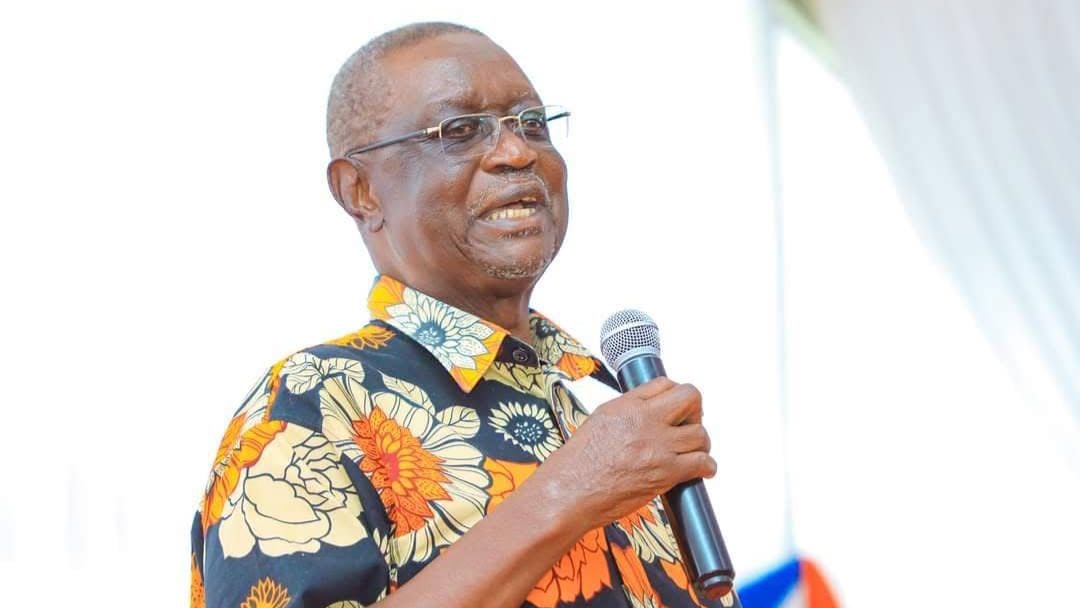
Kisumu – The Orange Democratic Movement is moving to formalize an electoral zoning arrangement with President William Ruto’s United Democratic Alliance, signaling a deeper alignment within the broad-based government as both parties reposition ahead of the 2027 General Election.
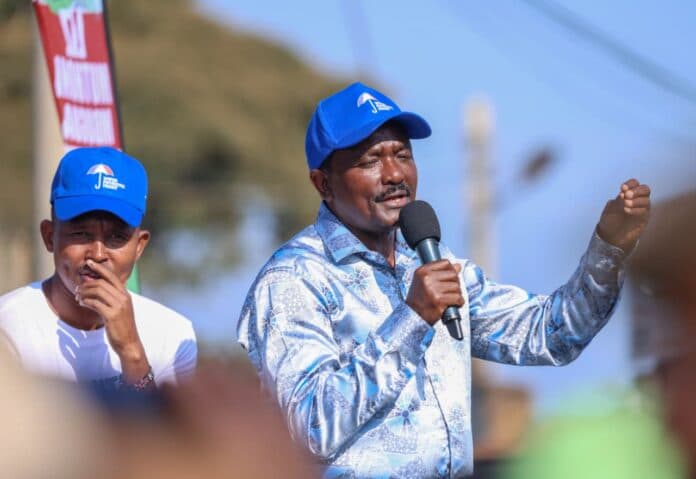
The plan was outlined publicly on Monday by ODM party leader Dr. Oburu Oginga during a consultative meeting with aspirants from Kisumu, Siaya, Homa Bay and Migori counties at the Grand Royal Swiss Hotel in Kisumu. Dr. Oburu said the arrangement would see UDA refrain from fielding candidates in areas where ODM holds a dominant base, while ODM would reciprocate in UDA strongholds.
“What we are saying is that this region of ours is zoned for ODM. Where ODM is strong like our area here, UDA will not field candidates. But nominations within ODM will still be free and fair,” he told attendees.
The remarks provide the clearest indication yet that cooperation between ODM and UDA has moved beyond parliamentary support for government business into direct electoral coordination.
Zoning Framed as Coalition Management
Dr. Oburu framed zoning as a practical tool to prevent internal competition from undermining coalition stability. He argued that the practice is consistent with how Kenyan coalitions have operated in past elections, including 2022, when informal agreements on political territories were used to avoid splitting votes.
“When we talk about zoning, we are not saying seats are being handed to individuals. Aspirants will still compete freely within ODM. Other parties are also free to bring candidates, but within the coalition there are negotiations going on,” he said.
He added that the goal is to preserve the coalition’s vote base while allowing competitive nominations within ODM. The approach is intended to reduce costly primaries that often weaken the eventual candidate ahead of the general election.
Strategic Calculations Inside ODM
The public defense of zoning reflects a broader shift in ODM’s strategy. Since joining the broad-based government in 2024, the party has prioritized securing influence over state appointments, Cabinet positions and development resources. Dr. Oburu made clear that numerical strength in Parliament and county assemblies will determine bargaining power in future negotiations.
“We are competing so that we can win in the coming government. When negotiations come, you must show how many MPs, MCAs and presidential votes you have brought to the table,” he said.
The message was directed at aspirants and grassroots leaders, with a warning that disunity in Nyanza could reduce the region’s leverage in power-sharing talks.
“If this region does not unite and work hard, then do not expect a big share in government. I do not want to lead you to the wilderness. I want to lead you to government,” he said.
Party Identity and Grassroots Concerns
The rapprochement with UDA has created unease among sections of ODM’s base, with some questioning the party’s identity and long-term independence. Dr. Oburu sought to address those concerns by emphasizing that ODM would retain control over its nominations and that membership would drive candidate selection.
“The people who are going to nominate are the members, not the officials of the party,” he said. He urged aspirants to focus on recruitment and grassroots organization rather than internal disputes.
He also cautioned against the influence of money in politics, warning that financial inducements were distorting candidate selection and undermining public trust.
“It is money which is spoiling the politics of this country. It is making people elect those who do not deserve leadership positions,” he said.
Implications for 2027 Politics
The zoning arrangement, if implemented, would reshape electoral dynamics in Nyanza and parts of Western Kenya where ODM holds strong support. It would also signal a more structured approach to coalition management within the broad-based government, moving away from ad hoc post-election deals.
For UDA, the arrangement offers a path to expand presence in regions where it has struggled to gain traction without triggering direct confrontation with ODM. For ODM, it provides a way to consolidate its base while maintaining access to national government resources.