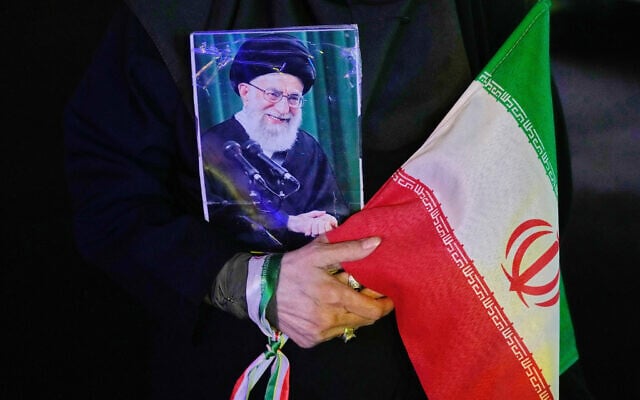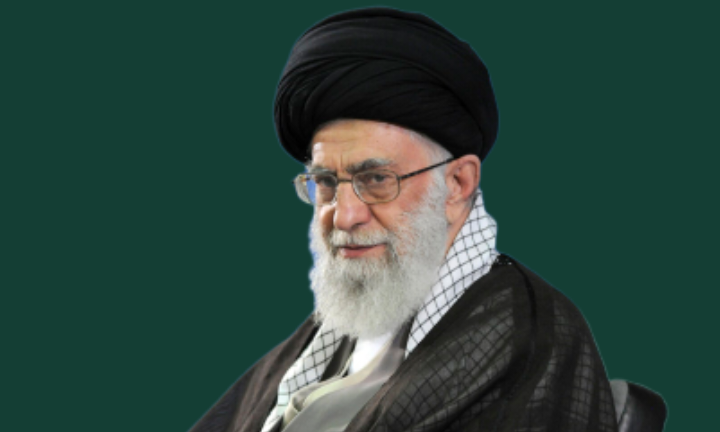
Iran will begin the funeral proceedings for its late Supreme Leader Ayatollah Ali Khamenei on July 4 in Tehran, more than four months after his assassination during US-Israeli airstrikes.
According to the Islamic state's announcement on Saturday June 13, 2026, the proceedings will conclude with Khamenei's burial, scheduled for July 9 at the Imam Reza Shrine in Mashhad, one of the holiest sites in Shia Islam.
Ayatollah Khamenei was assassinated in the opening salvo of the war that Israel and the United States launched against Iran in late February.
The 86-year-old was killed in an airstrike targeting his compound in downtown Tehran. United States and Israel closely coordinated on the attack, with the C.I.A. passing its intelligence on Khamenei’s position to Israel.
The C.I.A. had been tracking Ayatollah Khamenei for months before learning that a meeting of top Iranian officials would be held that fateful February morning, and that the supreme leader would be in attendance.
Israel, which carried out the strikes on Iran’s top leaders using U.S. intelligence and its own, determined that the gathering would include top Iranian defense officials, including Mohammad Pakpour, the commander in chief of the Islamic Revolutionary Guards Corps; Aziz Nasirzadeh, the minister of defense; Admiral Ali Shamkhani, the head of the Miliary Council; Seyyed Majid Mousavi, the commander of the Islamic Revolutionary Guards Corps Aerospace Force; Mohammad Shirazi, the deputy intelligence minister; amongst others.
Fighter jets took off from Israeli bases around 6 a.m. The attack involved aircraft armed with long-range, highly accurate munitions.
The long-range missiles struck the compound in Tehran about two hours and five minutes later. At the time of the attack, senior Iranian national security officials were in one building on the compound, while Ayatollah Khamenei was in another nearby building.
Israeli jets dropped 30 bombs on Khamenei’s compound, leaving it scorched. Despite Iranian preparations for the war, Israel pulled off a “tactical surprise” with its attack on the compound.
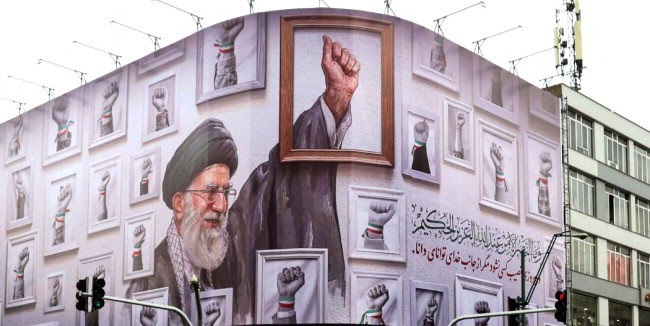
Khamenei's funeral ceremony is expected to begin in Tehran, and the procession will move to Qom, a stronghold of many senior Shia clerics, and then to Mashhad, his birthplace, where he’ll be buried at the Imam Reza Shrine, considered the holiest place among Shia devotees.
Funerals for Khamenei’s daughter and son-in-law, killed in the February strike, will also be held on the same day.
Khamenei dramatically remoulded the Islamic Republic since he took the reins after the death of Ayatollah Ruhollah Khomeini in 1989. Khomeini was the fiery, charismatic ideologue who led the overthrow of the Shah and installed rule by Shia Muslim clerics tasked with spreading religious purity.
He ended up ruling far longer than Khomeini. He greatly expanded the Shia clerical class and built the paramilitary Revolutionary Guard into the most important body underpinning his rule. The Guard became a military and business behemoth, the country’s most elite force and head of its ballistic missile arsenal, with hands across Iran’s economic sectors.
Khamenei is succeeded by his son, Mojtaba, who is considered less compromising and has not been seen publicly since the war began.