Kenya's Senate is considering a proposal that aims to shift more recurrent spending to county executives while reducing allocations to county assemblies, in a move that could reshape the balance of power and resources in devolved units.
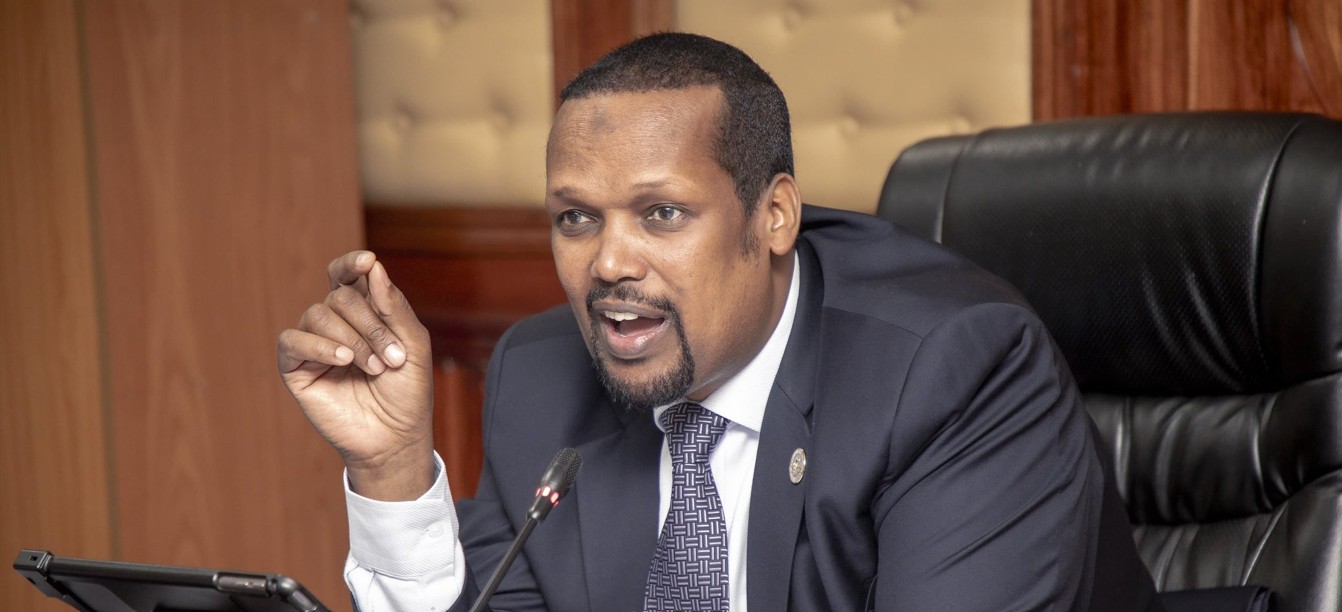
The County Allocation of Revenue Bill, 2026, sponsored by Senate Finance and Budget Committee Chairperson Senator Ali Roba, seeks to implement provisions of the Public Finance Management Act by setting county expenditure ceilings. If passed, governors will gain additional resources while assemblies operate under tighter limits.
The Bill has already been introduced in the Senate and gone through its first reading. It is anchored on Section 107(2)(a) of the Public Finance Management Act and is aimed at setting clear expenditure ceilings for county governments.
Under the proposal, county executives will see their recurrent expenditure ceiling rise to Ksh25.25 billion in the next financial year, up from Ksh23.41 billion in the current financial year. This represents an increase of Ksh1.83 billion that will go to governors and their administrations.
The allocation is meant to cater for salaries, allowances, insurance, and gratuity for governors and their deputies, as well as county executive committee members, county secretaries, chief officers, county attorneys, directors, and other administrative staff.
It also covers operational needs such as public participation forums, county budget and economic forums, audit committees, and maintenance costs.
The increase is expected to give county executives more flexibility in managing county operations at a time when devolved units continue to push for more resources to improve service delivery.
In contrast, county assemblies are set to face reduced spending limits under the same Bill. The proposed law lowers the total recurrent expenditure ceiling for county assemblies from Ksh39.93 billion to Ksh39.19 billion in the next financial year, marking a reduction of Ksh744.35 million.
The allocation for county assemblies is used to cover salaries, allowances, mileage claims, insurance, and gratuity for speakers and Members of County Assembly. It also caters for salaries and benefits for assembly staff, operations of county assembly service boards and secretariats, public participation programmes, and other administrative expenses.
Senator Roba argues that the adjustment aligns with the PFM Act’s requirement to cap recurrent costs and prioritize service delivery. The Act sets limits on wages and administration to prevent devolved units from spending too much on salaries at the expense of development.
“Counties have complained that executive arms are underfunded while assemblies take a disproportionate share of recurrent budgets,” said a Senate official familiar with the Bill. “The idea is to free up resources for the teams that actually implement projects in health, water, roads.”
Governors have long argued that executive ceilings are too tight to hire technical staff and run departments, while assemblies have faced audit queries over allowances and travel. The Auditor General’s 2025 report flagged over Ksh600 million in irregular MCA payments across 17 counties, intensifying scrutiny on assembly spending.
The Bill is likely to set up a clash between governors and MCAs. County assemblies approve county budgets and vet executive nominees, giving them leverage over governors. Cutting assembly ceilings could be read as weakening oversight.