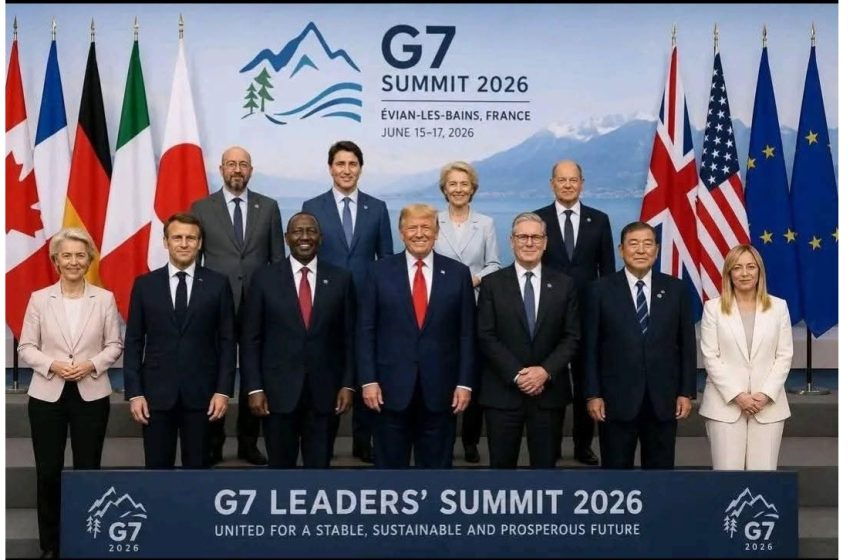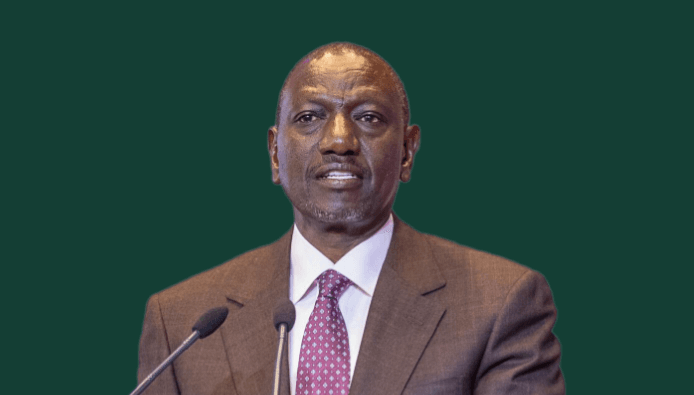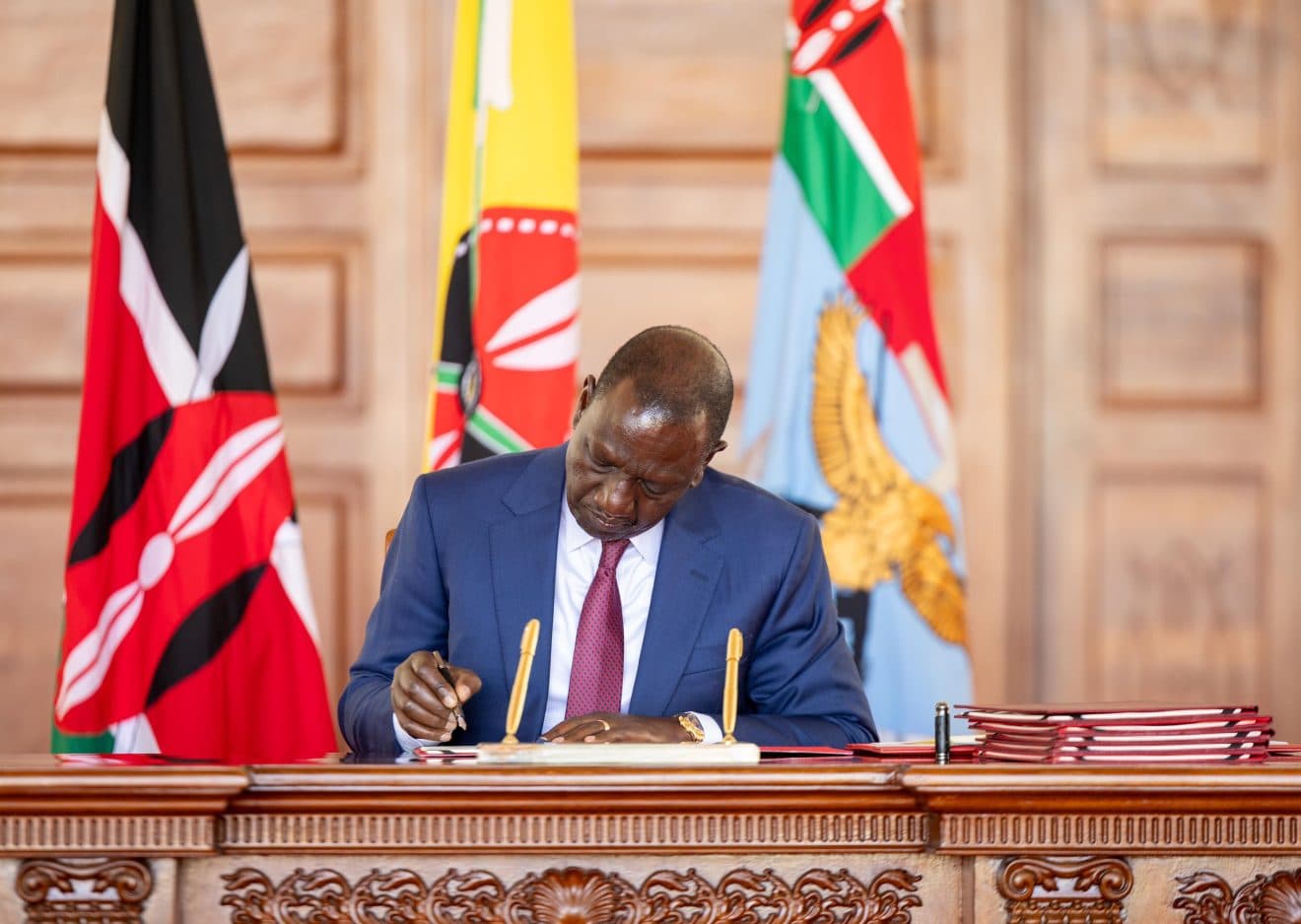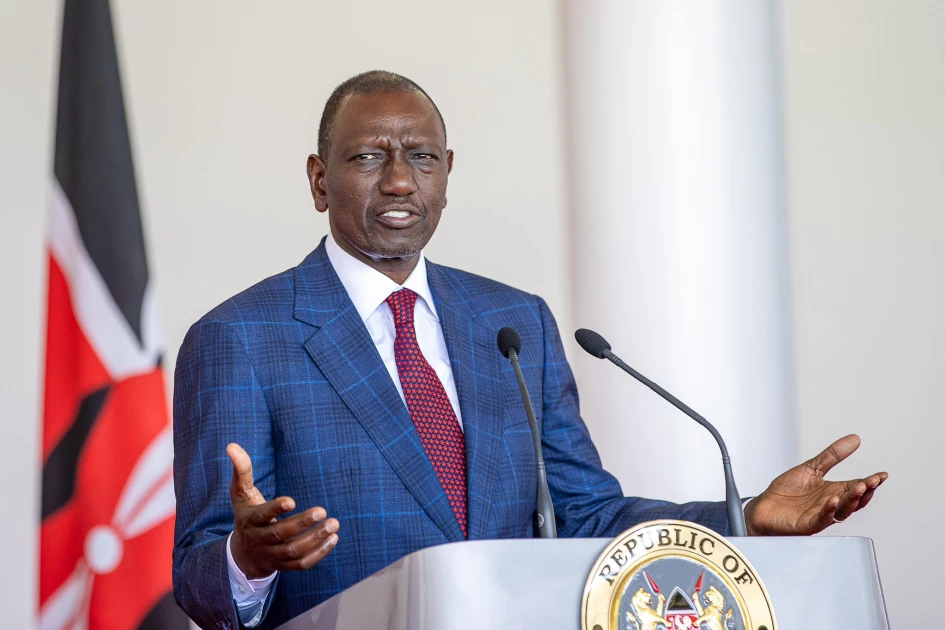
President William Ruto has called for Africa’s full inclusion in efforts to reform international financial and governance institutions, saying the current global system must be democratized to reflect fairness and shared responsibility.
Speaking during a media interview in Evian, France, on Tuesday on the sidelines of the G7 Summit, Ruto said institutions such as the United Nations Security Council, the International Monetary Fund, and the World Bank must be restructured to serve all nations equally.
“We are not asking for special treatment as Africa, but there must be equal treatment,” he said.
The President stressed that Africa is not a passive observer in world affairs but an active participant shaping emerging systems of cooperation and development.
Ruto noted that Africa was not present when key financial and governance bodies were created after the Second World War in 1945, leaving the continent on the margins of decision-making for decades.
“As the African continent, we need a new paradigm shift with our partners. We need a new relationship and a new engagement,” he said.
He warned that fragmented responses to global crises will only deepen instability unless the international system evolves to become more inclusive and representative.
The President expressed confidence that the G7 meeting would advance reforms at the UN Security Council to make it democratic, representative and accountable.
He said the moment offers Africa a chance to have a forthright and candid conversation with partners.
“The UN must not be run by an administrator but by a reformer,” Ruto added, pushing for increased African representation across global organizations.
Ruto framed Africa as a cornerstone of future global prosperity, citing the continent’s vast natural resources, minerals, arable land, and untapped renewable energy potential.
By 2050, he said, 40 per cent of the world’s workforce will be in Africa and 25 per cent of the global population will live on the continent. That demographic shift means Africa will provide both labor and markets for the world economy.
“Africa is a great asset to global prosperity,” he said.
The President outlined three issues he said must be addressed for Africa to realize its potential:
Access to Concessional Finance: Ruto said Africa needs affordable, long-term development resources to fund infrastructure, energy, and industrialization. Without concessional capital, the continent cannot unlock growth at the scale required.
Fair Borrowing Costs and Credit Ratings : He faulted the global financial system for forcing Africa to borrow at significantly higher interest rates than other economies.
“We must also sort out the problem of global rating agencies exaggerating Africa’s risk yet the continent is not as risky as they want the world to believe,” he said.
Ruto argued that biased risk assessments inflate borrowing costs and hold back investment.
A Voice in Technology Governance : The President said Africa must be part of global conversations on emerging technology, including artificial intelligence, to ensure innovation drives inclusive growth.
“Africa should be part of the conversation on how technology issues, including artificial intelligence, should be used in driving economies,” he said.
Ruto stated that reforming institutions like the IMF and World Bank is not just about Africa’s interests but about building a stable global order. He cautioned that a system that excludes large parts of the world cannot deliver lasting solutions to climate change, pandemics, or financial instability.
The President urged G7 leaders to move beyond aid-driven models to partnerships based on trade, investment, and joint rule-making.