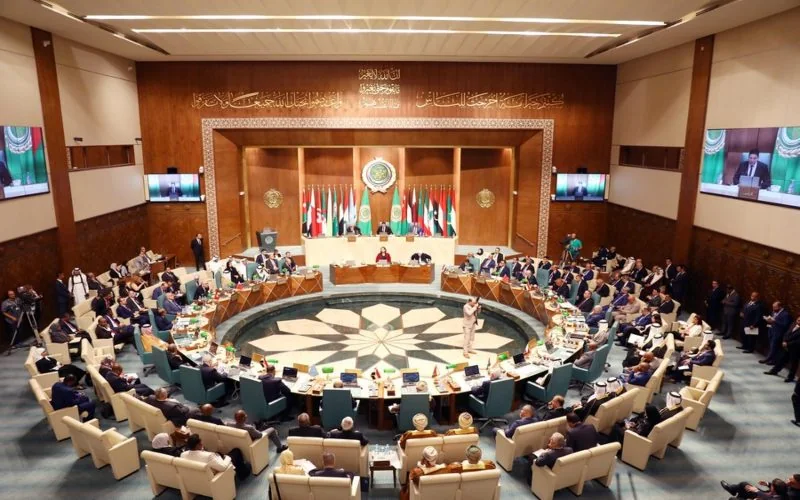
The Arab Parliament has condemned Somaliland’s plan to open an embassy in Jerusalem, calling the move a violation of international law and existing resolutions on the city’s status.
In a statement, the Parliament said the development has no legal standing and undermines the legal and historical status of occupied Jerusalem. It argued that the step contradicts global positions on the city and raises concerns about actions that could shake regional stability and weaken established international agreements.
The legislative body restated its backing for Somalia’s sovereignty, unity, and territorial integrity, rejecting any measures that could erode those principles.
It stressed that “any actions that undermine the country’s territorial integrity are unacceptable,” adding that Somalia remains one sovereign state whose unity must be respected by all parties.
The Arab Parliament noted that the Arab League recognizes Somalia as a single sovereign country and opposes initiatives that could fracture national unity, divide the Somali people, or threaten cohesion.
Preserving Somalia’s unity, the Parliament said, is a principle that should guide all regional and international dealings involving the country.
It underscored that it “completely rejects any unilateral, illegitimate, and invalid measures aimed at entrenching an internationally unrecognised status and contravening the rules of international law and relevant UN resolutions.”
At the same time, the body urged the international community to take a clear stand in support of Somalia’s territorial integrity. It asked global actors to help efforts aimed at keeping peace, stability, and unity across the Horn of Africa. It warned that actions affecting Somalia’s territorial integrity could carry wider risks for international law and regional cooperation.
The Parliament further appealed to the international community to meet what it called political, legal, and moral duties in responding to such developments. It argued that the reported actions pose a threat not only to state sovereignty and national unity but also to the legal and historical status of Jerusalem.
The remarks add to growing criticism from regional and international groups over reports of engagement between Israel and Somaliland. Those groups say such engagement could undermine Somalia’s sovereignty and territorial integrity if done outside the framework of the Federal Government in Mogadishu.
Among those raising concerns is the Organisation of Islamic Cooperation (OIC). The OIC argues that these actions risk sparking tensions over Somalia’s internationally recognized borders and political status.
Somalia has consistently opposed Somaliland’s dealings with Israel. Mogadishu maintains that any foreign relations conducted by the region without federal approval amount to a breach of Somalia’s sovereignty and territorial integrity.
Somaliland declared independence from Somalia in 1991 after the collapse of the central government. Since then it has run its own institutions, security forces, and elections. Despite operating separately for more than three decades, Somaliland has not gained broad international recognition as an independent state.
The Arab Parliament’s statement signals mounting diplomatic pushback amid closer Israel-Somaliland ties.
Regional analysts say the dispute could test how international bodies balance support for Somalia’s territorial claims with Somaliland’s long-standing push for recognition.