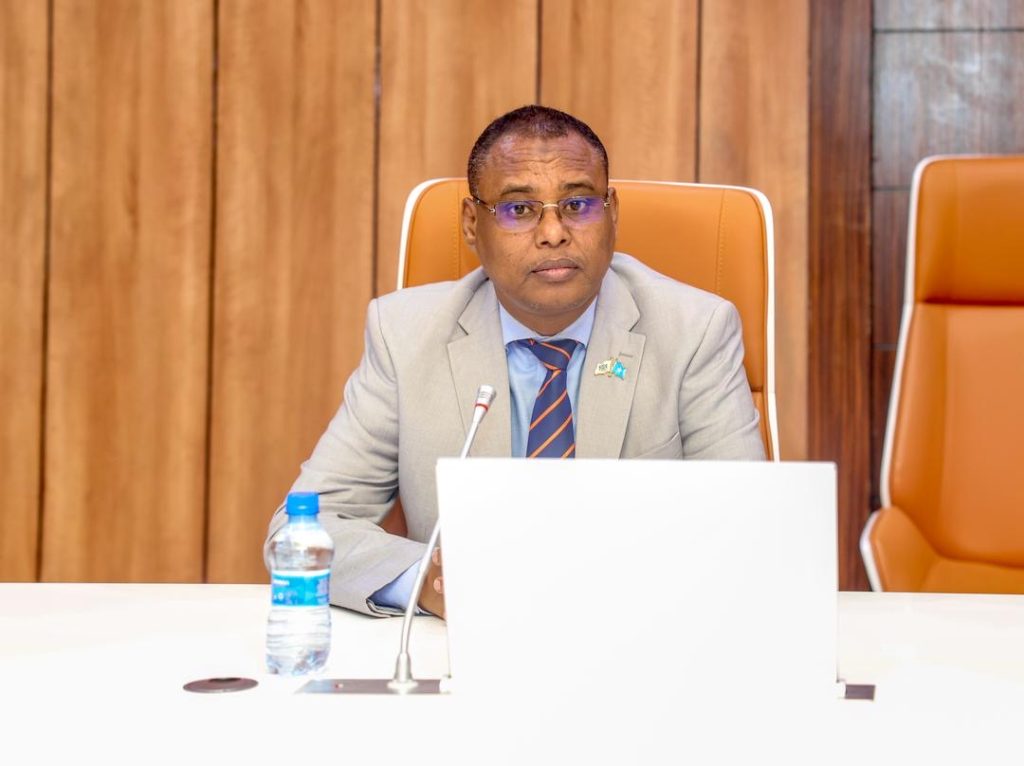
A diplomatic standoff played out at Nairobi’s Jomo Kenyatta International Airport (JKIA) this week after Kenya denied entry to Somalia’s Deputy Prime Minister, Jibril Abdirashid Haji, and put him on a return flight to Mogadishu over claims that he had fraudulently obtained a Kenyan passport.
Immigration officials told Julisha Media that Haji landed at Terminal 2 on Wednesday, June 24, 2026, at about 4:00 p.m. aboard a Saacid Airline flight from Mogadishu.
He was traveling on a valid Somali diplomatic passport and presented a valid visa during routine clearance. But during processing, officials flagged concerns that he had “fraudulently acquired a Kenyan passport” and questioned him further.
According to those present, Haji admitted to possessing the Kenyan travel document but refused to hand it over at the airport, saying he would only produce it before a court of law.
He was held in the VIP lounge at Terminal 2 while immigration, security, and foreign affairs officials coordinated a response.
Early Thursday, June 25, at 6:45 a.m., he departed on a Daallo Airlines flight back to Mogadishu without further incident.
The episode is sensitive because Haji holds one of Somalia’s most senior government posts, and Nairobi and Mogadishu already navigate a complicated relationship.
The two cooperate closely on security, trade, and counter-terrorism through AMISOM and subsequent AU operations. At the same time, political tensions have flared in the past over border issues, mediation in Somalia’s internal affairs, and treatment of officials at Kenyan entry points.
Kenya has previously turned back Somali officials. In 2016, Mogadishu protested after two lawmakers and a minister were blocked and returned from JKIA.
More recently, October 2025 reports claimed Kenya had revoked passports issued to Haji and another official amid friction over Jubaland mediation efforts.
Against that backdrop, the latest incident is likely to draw diplomatic attention and pressure both capitals to clarify what happened.
Officials and Media entities have been flagging a rise in cases of forged or fraudulently obtained Kenyan documents involving foreign nationals, with corruption in issuance processes often cited as a factor.
Kenyan authorities had not issued a formal public statement on the matter and neither the Somali government nor Haji had released an official response at the time of reporting.