Nairobi Senator Edwin Sifuna has cast doubt on government assurances that the Social Health Authority (SHA) is functioning smoothly, alleging that hospitals in Bungoma have not been paid.
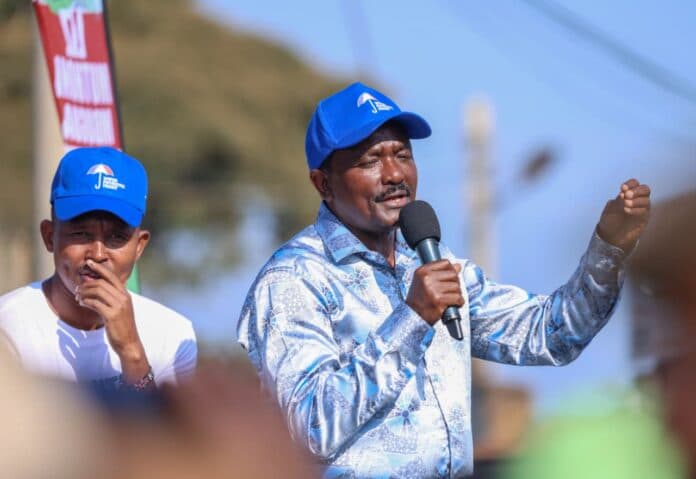
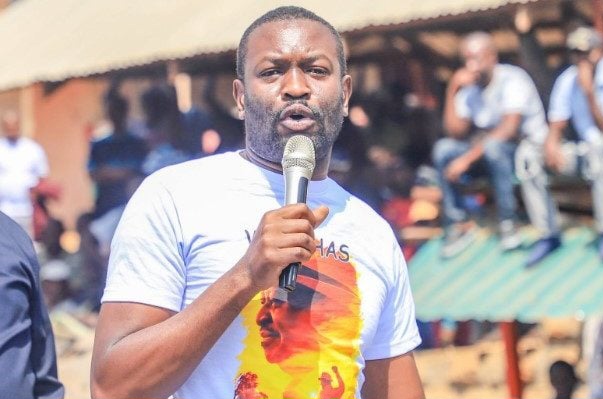
Addressing residents during the Linda Mwananchi tour in Kamukuywa on Sunday, July 26, 2026, Sifuna said the official narrative on SHA does not match what is happening on the ground.
He claimed Bungoma Governor Kenneth Lusaka had confided in him about outstanding hospital dues, but was reluctant to raise the matter publicly.
"The story we are being told is that SHA is working. But when Governor Lusaka comes to the Senate, he tells me in private, ‘Sifuna, tell them SHA has not paid Bungoma hospitals.’ Why can’t he say it himself?" Sifuna posed.
The Senator’s remarks directly challenge statements made by the Executive, and highlight growing unease among county leaders over how the new health scheme is disbursing funds.
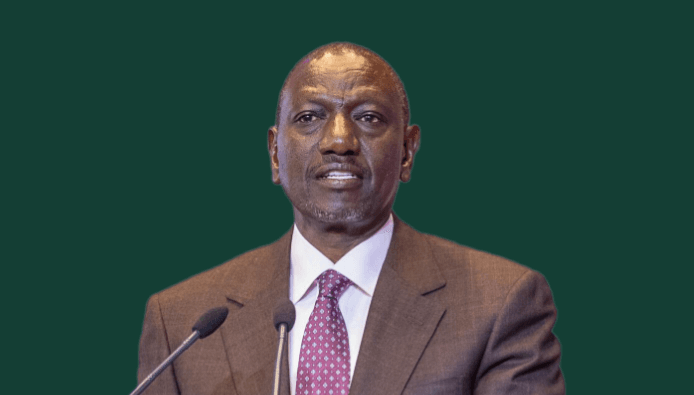
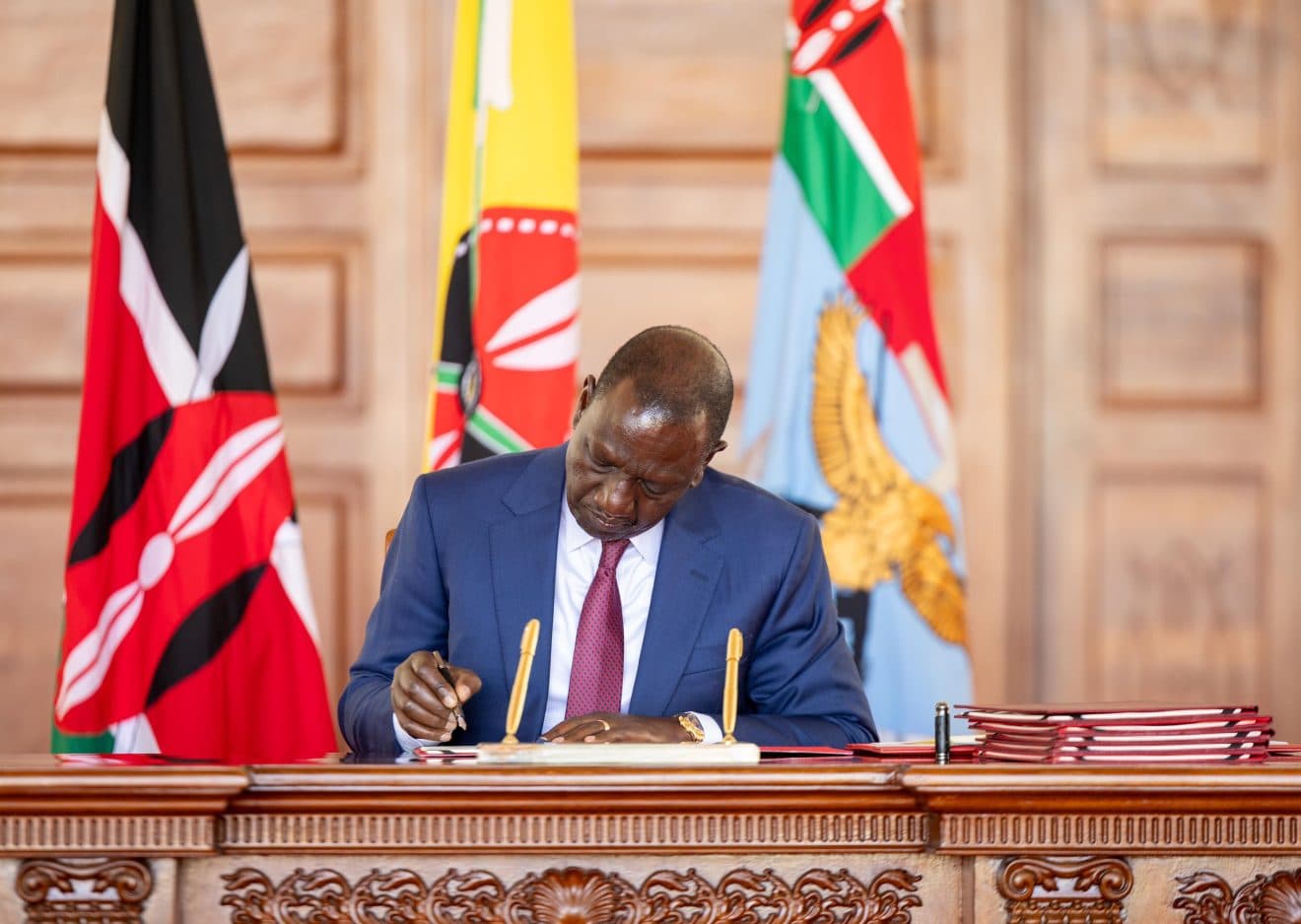
Sifuna spoke a day after President William Ruto mounted a strong defense of SHA, saying the program has widened access to healthcare and improved funding to facilities.
Speaking at State House on Saturday, July 25, while meeting over 7,000 Nairobi Community Health Promoters, Ruto cautioned against calls to revert to NHIF, describing such proposals as dangerous for the country’s health sector.
"Those pushing us back to a system that collapsed are a great risk to this nation," the President said.
Ruto told the gathering that SHA has registered 32 million Kenyans, a sharp jump from the 8 million covered under NHIF. He also said hospital payments had increased significantly, with SHA now remitting Ksh12 billion monthly compared to Ksh5.6 billion every three months under the old fund.
For the government, the numbers are proof that the transition is working and that more citizens are accessing services.
Despite the optimism from State House, several county officials and health workers have in recent months complained about late payments and technical hitches under SHA.
Hospitals depend on prompt reimbursements to purchase medicine, pay staff and keep services running. When funds are delayed, many facilities are forced to ask patients to pay cash or limit services, which defeats the purpose of universal coverage.
Sifuna’s decision to quote Lusaka privately suggests that some governors are hesitant to criticize the scheme openly, even as they grapple with unpaid bills at county hospitals.
Health financing is becoming a major talking point ahead of 2027, with SHA positioned by the government as a flagship project. The Opposition, however, has argued that the Authority has not fixed the problems that plagued NHIF and has created new ones.
The Ministry of Health maintains it is addressing system issues and clearing pending claims. For now, the contrast is clear, at the national level, SHA is being hailed as a success story of expanded enrollment and higher payouts. At the county level, leaders like Sifuna say the money is not yet reaching hospitals.
"If SHA is truly working, let us hear it from the hospitals and from the governors in public, not in whispers in the Senate," Sifuna said.