




A U.S. District Court has finalized the termination of Temporary Protected Status (TPS) for Haiti, stripping an estimated 350,000 Haitians in the United States of legal authorization to live and work.
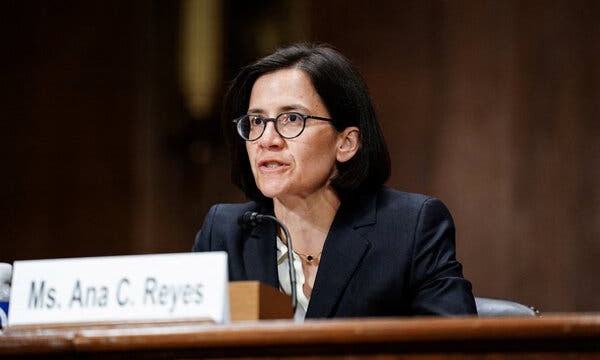
On August 5, 2026, U.S. District Judge Ana Reyes lifted an injunction that had been preventing the Department of Homeland Security from ending the program. The ruling marks a major legal win for the Trump administration, which has made rolling back humanitarian parole programs a key priority.
Judge Reyes said her February order that paused DHS Secretary Kristi Noem’s termination of Haiti’s TPS designation was no longer valid.
“The court’s order, which had stayed the effective date of Department of Homeland Security Secretary Kristi Noem’s Termination of the Designation of Haiti for Temporary Protected Status pending judicial review, is no longer in effect,” she wrote.
The decision follows a June 2026 Supreme Court ruling in Mullin v. Doe. The Supreme Court determined that the TPS statute bars courts from reviewing the executive branch’s decision to revoke protected status unless constitutional issues are raised. Bound by that precedent, Judge Reyes said she had no legal basis to maintain the block.
The effect is immediate. Roughly 350,000 Haitians who have lived and worked legally in the U.S. under TPS now lose that status. Most live in South Florida, home to the largest Haitian community in the country. Many arrived after the 2010 earthquake and stayed as Haiti faced continued political violence and instability. For years they used TPS work permits to rent housing, pay taxes, hold jobs, and support relatives in both the U.S. and Haiti.
With the program ended, former TPS holders are no longer authorized to work under federal law. State-issued driver’s licenses and other IDs that require proof of lawful presence can be revoked. A pending asylum application does not automatically prevent U.S. Immigration and Customs Enforcement (ICE) from detaining someone.
Documents issued under TPS are now legally invalid, and immigration lawyers are urging people to obtain Haitian passports as quickly as possible.
Miami-based attorney Patricia Elizee told clients to stay calm but act fast.
"Those with TPS, please do not panic, but get educated, understand your situation, understand your immigration options," she said, advising families to make emergency plans for their assets and children.
The termination is part of a broader shift toward stricter immigration enforcement in the U.S. and other developed countries. The Trump administration has campaigned on ending humanitarian parole and TPS designations it says have been overextended.
Similar debates are happening in the UK, where the Home Office is defending plans to deport undocumented arrivals to Rwanda, and in Australia, which continues to rely on offshore detention. The pattern across these countries is a move to prioritize border enforcement over temporary humanitarian protections.
The legal fight is not over. Lawyers for the Haitian migrants are now focusing on constitutional claims. The remaining lawsuit alleges that DHS leadership acted with unconstitutional racial animus in ending Haiti’s designation, citing public statements by Secretary Noem calling for a travel ban on Haiti. Legal experts note that proving discriminatory intent is a much higher standard than challenging administrative procedure.
Until a court rules on those claims, DHS and ICE have full authority to detain and remove former TPS beneficiaries.
The ruling creates immediate uncertainty for families. Some have U.S.-born children, others own homes and businesses. Community organizations in Miami, New York and Boston are holding legal clinics to explain options, including applying for other forms of relief, preparing for voluntary departure, or waiting to see how enforcement proceeds.
Judge Reyes’ order does not include a grace period, meaning enforcement can begin right away.
Secretary of Homeland Security Markwayne Mullin posted a statement to X this morning saying ICE is going after them.
"We are allowing them to leave on their own and we’ll help you, or we arrest you and send you back. Either way you don’t have status in this country anymore,” Mullin said.
The Department of Homeland Security also released a list of incentives for self-deportations on its website, including deprioritization for detention and removal, financial help and safe travel back to Haiti.